You watch it glide across the floor with a steady, deliberate churn — the Roborock S8+, or just the S8+ — and it almost reads the room before you do.Lifting it from the dock, you notice a surprising heft and a matte-black shell that takes fingerprints but feels sturdy under your palm. It hums a low, focused thrum during vacuuming and a finer, higher buzz when the mop engages, a sound that registers more like purpose than fuss. Visually the machine is low and balanced, a round silhouette with a small raised turret that doesn’t shout for attention but quietly claims its corner. Those first movements, textures and noises are what shape your first impression of it in the space.
How the S8+ folds into your day the moment you power it on
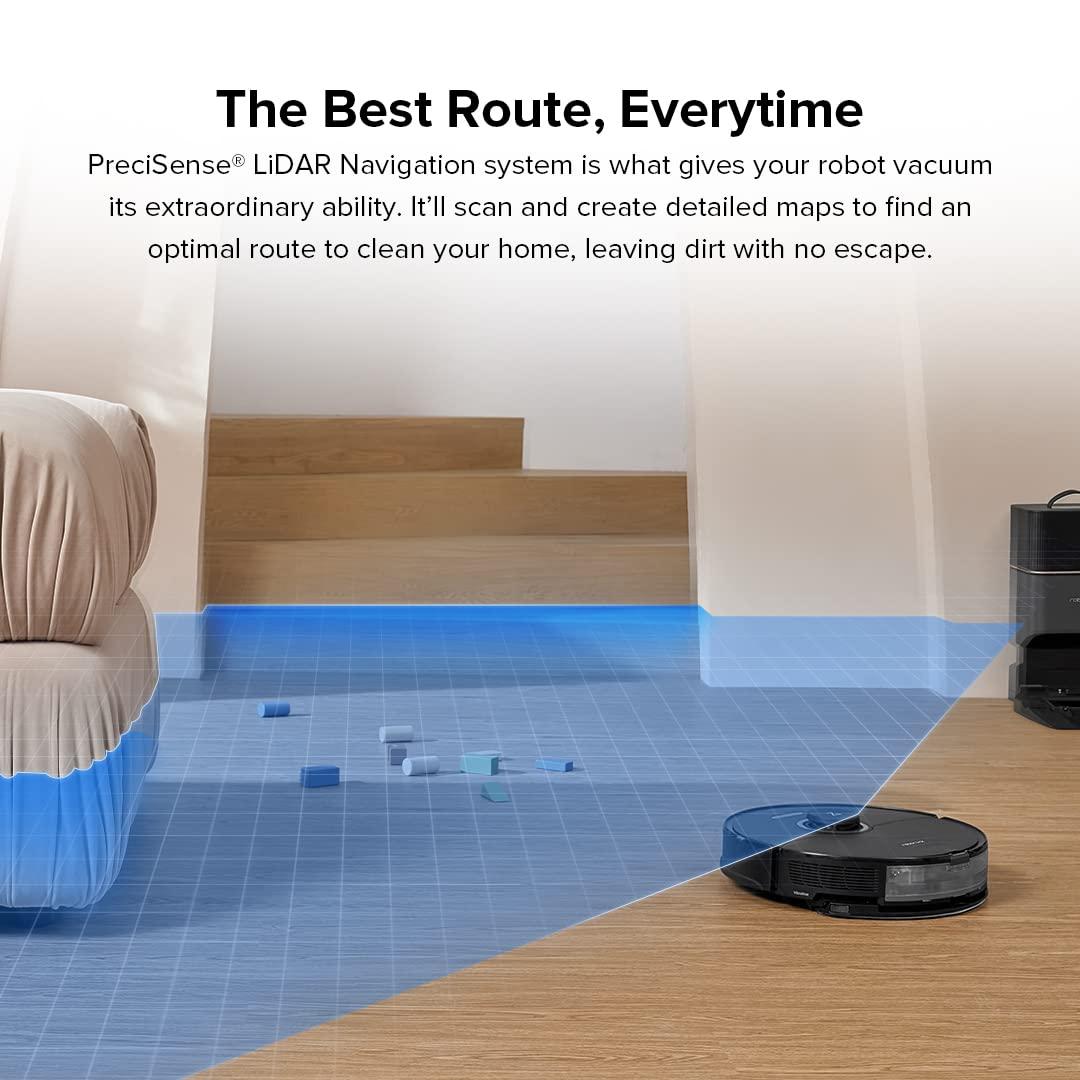
The moment you power it on — whether from the unit or with the app — you notice a few small, practical signs that the day’s cleaning cycle has started. A brief chime and a change in the status light register before the robot rolls forward, the brushes and wheels making a speedy pass as it orients itself. if you look at your phone, the map or route usually appears almost instantly and updates as it moves; or else the machine simply becomes part of the background rhythm of your home, moving around shoes and pausing at odd thresholds until it finds its path again. In everyday use that start-up sequence is what shifts the device from object on the floor to an active presence you barely need to think about.
There are a few cues that tend to mark that transition for you:
- an audible chime and LED change;
- a short mechanical shuffle as sensors and brushes check the area;
- a live route or status update in the app if you glance at it.
After that initial burst of activity, interaction usually becomes intermittent — a quick nudge of a chair, a glance at a notification about a finished job, or the occasional check on the dock when it returns. For some households those small touches (moving a stray toy, shifting a rug edge) are part of letting the cleaning cycle slide into daily life; for others it simply starts and finishes while you carry on with morning or evening routines, with only occasional, casual upkeep showing up in your day.
What the robot’s size, sheen and materials tell you when you pick it up
When you pick the robot up you first notice its overall heft and how that weight is distributed. The machine feels solid rather than featherlight — not the sort you casually scoop up with one hand from the middle unless you shift its balance a bit. Your fingers land on a shallow top recess (or edge) more than a pronounced handle, and the center of mass tends to sit toward the rear where the dust compartment and electronics are housed, so you naturally steady it with a second hand under the chassis. These tactile cues — the way the unit wants to tilt, the slight give of the rubber bumper under your thumb, the resistance of the wheels when you rotate it — tell you at once how it will behave when you set it down, carry it between rooms, or lift it out of the dock for a quick check.
The surface finish and materials add another layer of information. The top panel’s dark, mostly matte plastic contrasts with glossier trim and shows smudges and dust differently depending on light; fingerprints become visible where you grip it, while scuffs show up more on the lower bumper and wheel housings. Seams around access panels and the dust flap are obvious to touch — they click or slide with a familiar mechanical feel — and the rubber components (wheels,bumper edge,mop gasket) feel pliant compared with the firmer body plastics. As part of ordinary handling you’ll find yourself wiping the top to remove marks and checking the seams for trapped debris; those routine interactions are exactly what the materials and sheen hint at when you first lift the unit.
Where you’ll place the self-empty dock and how it occupies space in your home
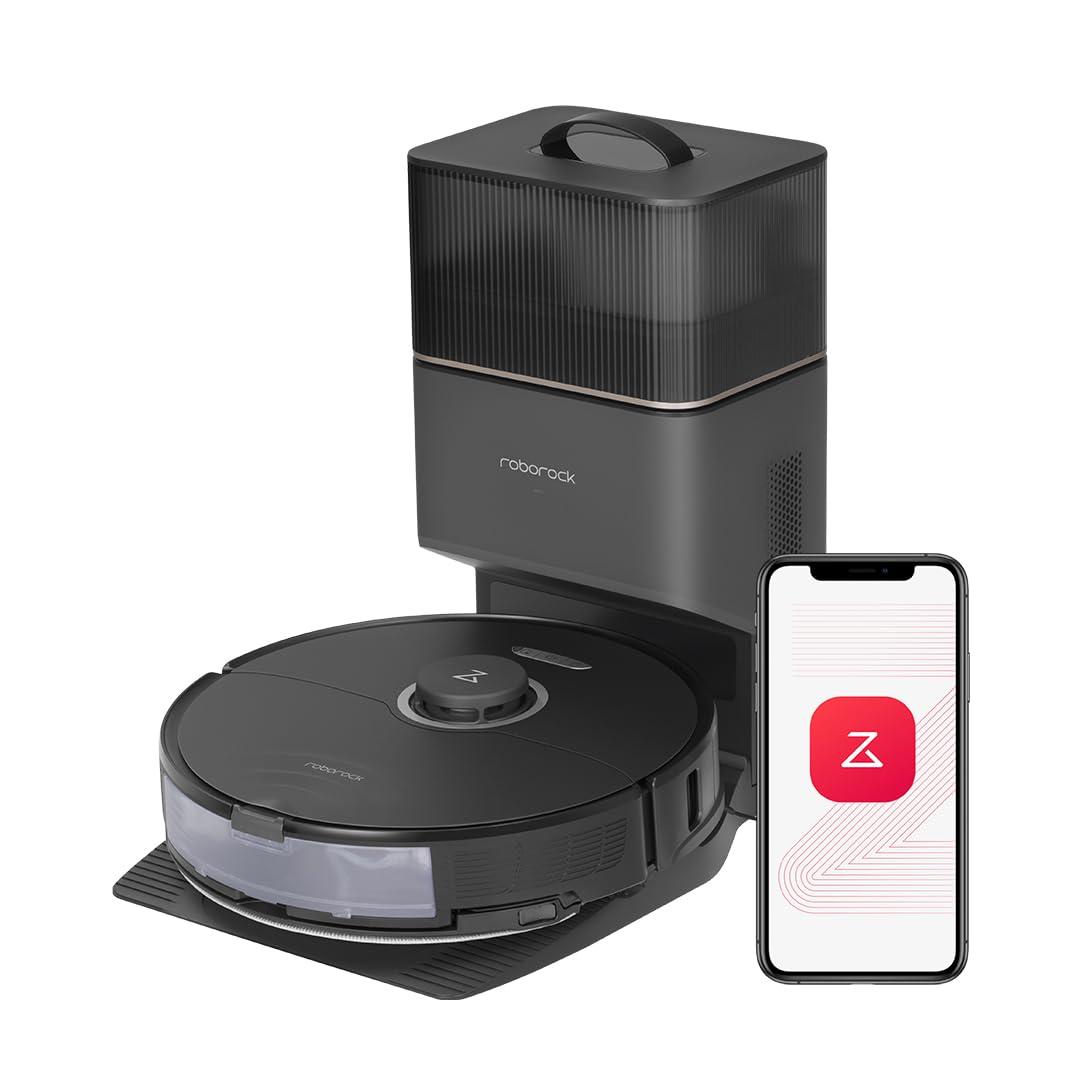
The self-empty dock generally lives against a wall or tucked into a corner, where it forms a small appliance station rather than disappearing into the background. It sits taller and bulkier than the robot itself, so in most rooms it becomes a visible vertical element; in open-plan spaces it can read like a compact pedestal, while in hallways or utility nooks it tends to blend into othre standing devices. Practical placement patterns depend on a few basic constraints: access to power, enough room directly in front for the robot to line up and dock, and clear space to pull the dust bag compartment forward when the bag is changed. Households that press the dock up flush against low skirting or behind slim furniture sometimes leave only a narrow gap for maneuvering, which can make routine access feel slightly awkward at times.
As a piece of daily domestic furniture it affects how floor space is used rather than how it is indeed cleaned; people frequently enough shift it a little when rearranging seating or vacuuming in tight spots, and the dock’s location can dictate where the robot starts and ends its runs. cables are typically routed down and behind the unit, so the small run of cord becomes part of the footprint; the dock rarely needs to be moved frequently, but occasional nudges to create easier bag access or to tuck it out of sight are common. A short checklist of placement considerations that tends to guide most arrangements includes:
- Power nearby — needs an outlet within a short cable run.
- Front clearance — room for the robot to approach straight on and for the bag door to open.
- Visibility — whether it should be obvious or tucked away affects which room it will occupy.
A normal cleaning run: the controls you use, the app cues you see, and the mop in motion
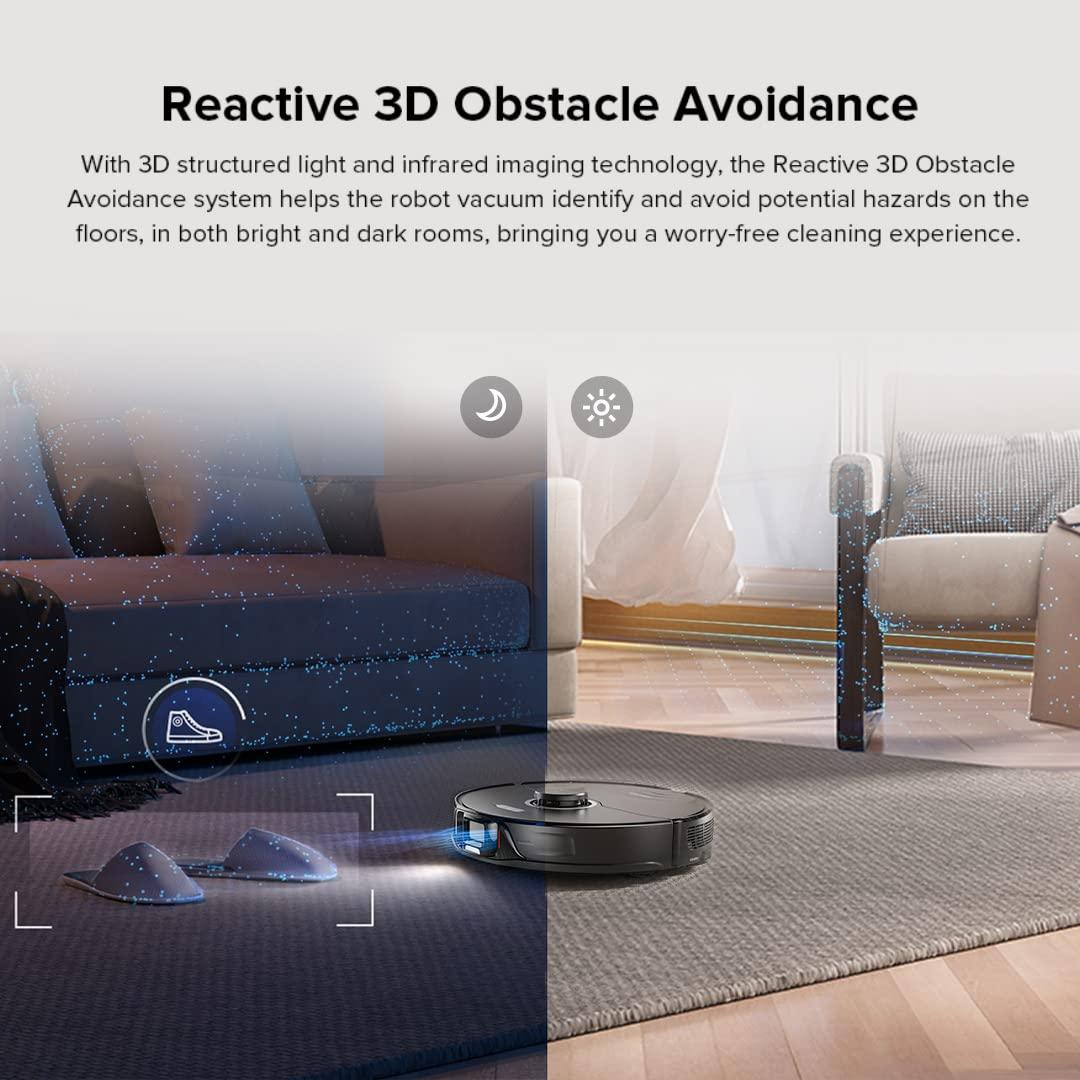
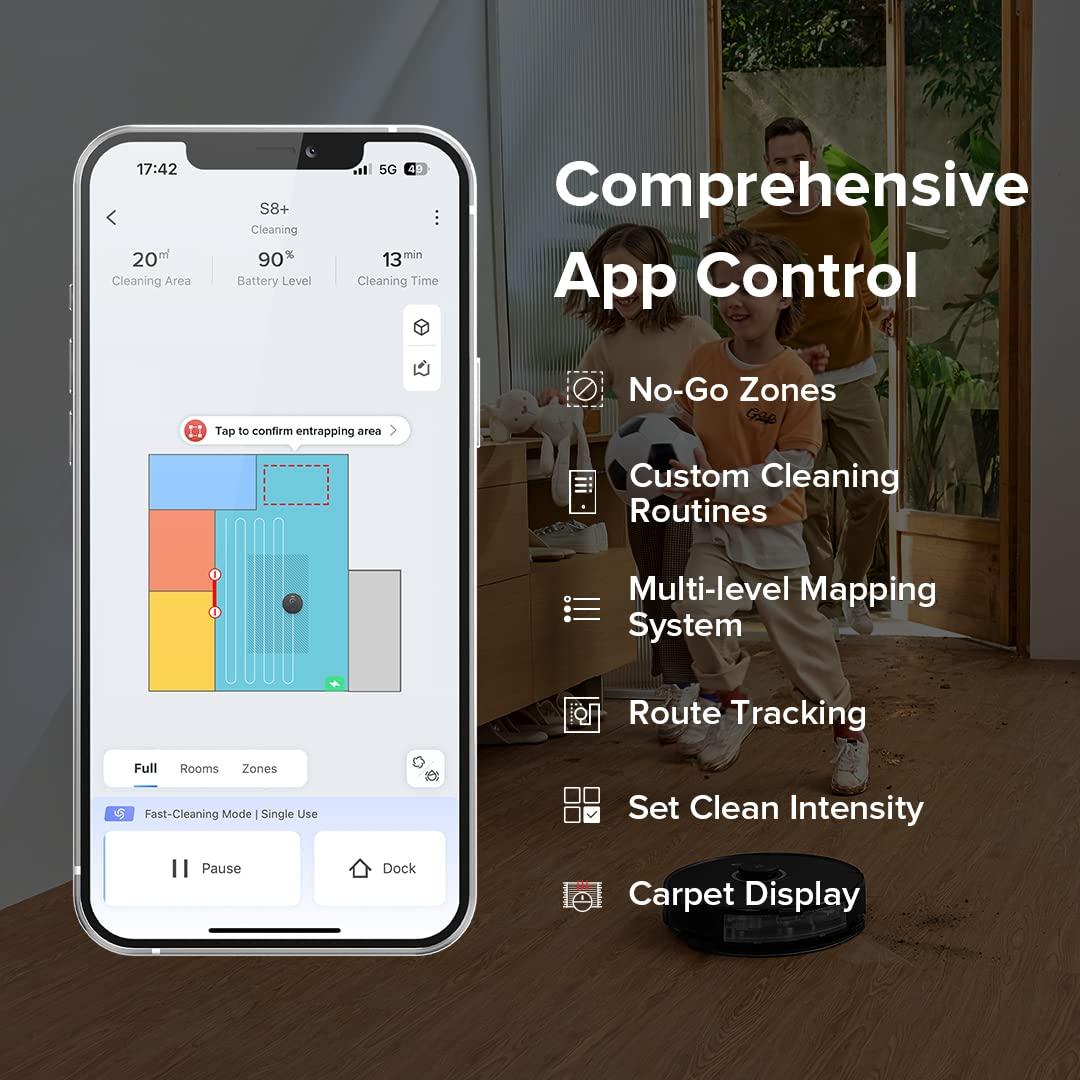
When you kick off a clean you can use the touch button on the top or the app, but in everyday use you’ll find yourself in the app most of the time: starting, pausing, sending the robot home and nudging it into a spot clean are a tap away. During a run you can change suction, vibration intensity or water flow without stopping the cycle, and those changes register almost instantly in the app interface. The live map updates as the robot moves — you’ll see the path it has taken, carpets outlined and any virtual boundaries you set. Short status messages appear as toast notifications (for example, “returning to dock,” “stuck,” or “resuming mopping”), and a progress readout with battery percentage and estimated time remaining keeps you informed while it effectively works. From time to time you’ll tap pause to move a chair or unblock a narrow passage; those small, familiar interruptions feel like part of the routine rather than a disruption.
- live map — shows current route and cleaned areas
- Mode indicator — vacuum vs. mop, plus current suction/vibration level
- Mop status — whether the mop is lowered, lifted, or in need of water
- Alerts — brief messages about obstacles, docking, or maintainance cues
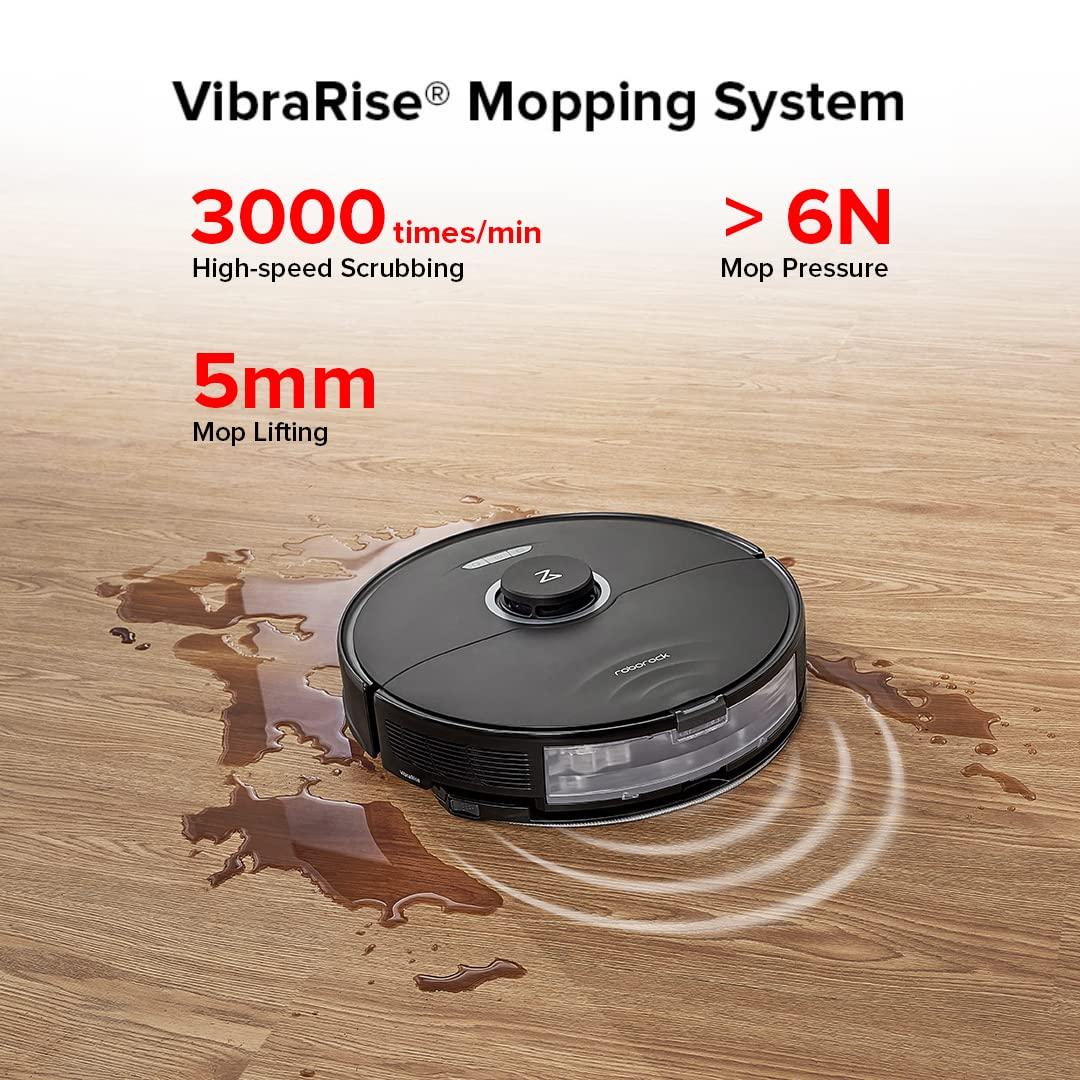
watching the mop in motion is a distinctly different rhythm from the vacuuming: the mop plate visibly lowers at the start of a mopping segment and you can see the pad oscillate in short, rapid strokes — there’s an audible, low-frequency hum when vibration is engaged. As it crosses a carpet or a threshold the mop module will lift and the app will flip the status back to vacuuming, so you can follow that change both visually and on screen. The pad leaves a thin, wet trail that evens out as it dries, and in most cases the dampness is noticeable for only a short while afterward. After a typical run you’ll often glance at the mop pad and the app’s mop-status icon to confirm everything sat correctly during the cycle; those checks are part of the habitual interaction rather than a formal maintenance step.
How the S8+ matches your expectations and where it shows limits in real homes
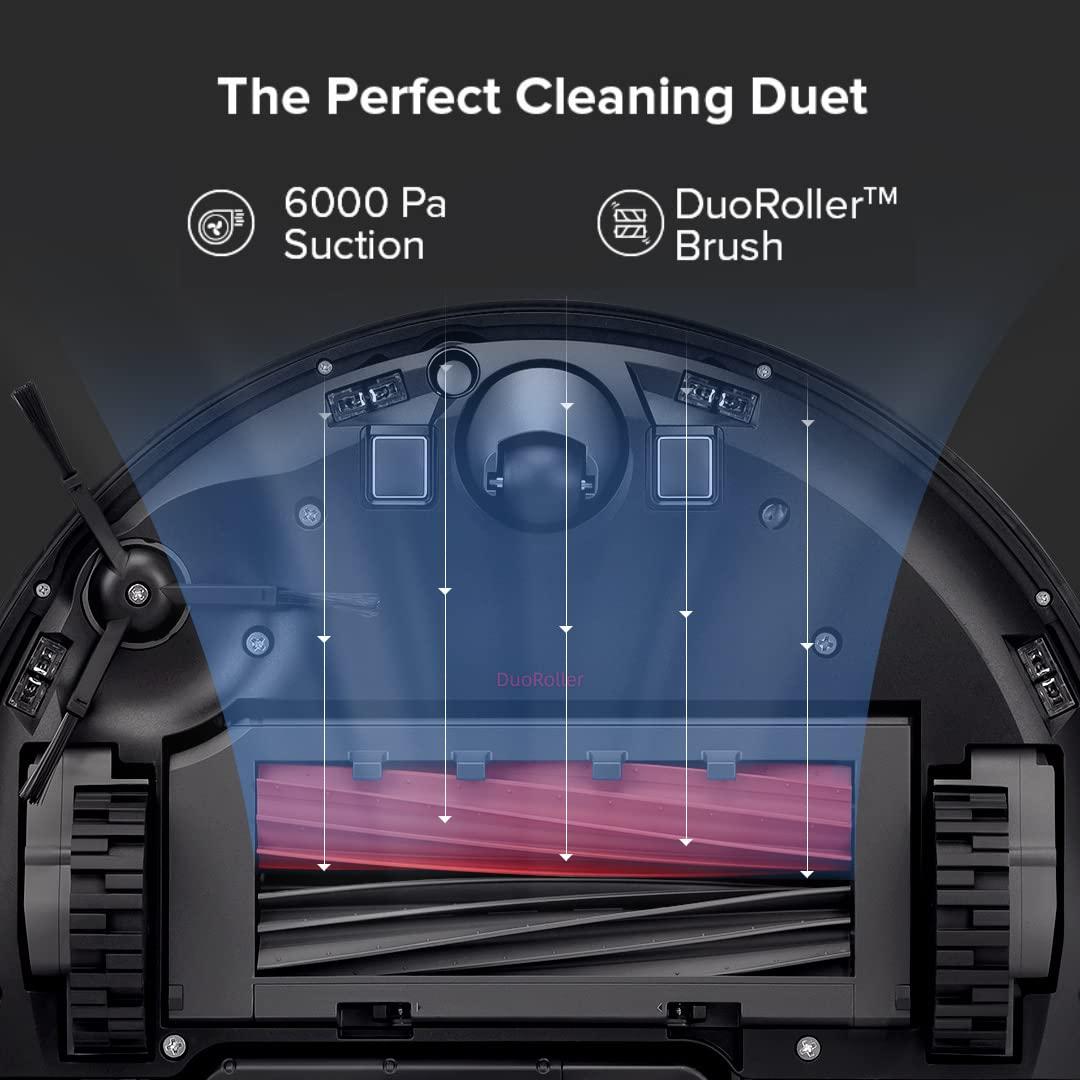
The S8+ frequently enough behaves like a predictable member of the household routine: mapping repeats cleanly from day to day, the routing favors main walkways, and the self-emptying dock noticeably reduces the frequency of manual bin trips. In ordinary use the robot’s motion and app feedback make it straightforward to see where it has been and what it skipped, and routine interactions—occasional brush pulls, wiping the mop plate—blend into weekly tidying rather than urgent maintenance. At the same time, its presence is tangible: the dock and robot take up permanent floor space near an outlet, bags accumulate in the background, and users tend to develop small habits (moving loose cables, nudging a doorstop) around its predictable pathing.
Real homes introduce a handful of recurring limits that show up during everyday runs. Tight gaps between furniture, cascades of floor-level clutter, and long runs of exposed cables can interrupt a cleaning cycle or create spots that require line-of-sight manual attention; carpets with very short, uneven edges or heavily ridged grout may not receive the same scrubbing finish as flat surfaces, and the mop system can feel less consistent on irregular floors. The dock’s dust bag lasts longer in tidy apartments but fills faster in pet-heavy or renovation messes, so its “long interval” convenience is situational. A few common in-home patterns illustrate these tendencies:
- under low furniture: consistent mapping but occasional clearance issues.
- Door thresholds and narrow passages: repeated retries or partial crossings.
- Messy entryways: more frequent bag changes and brush attention.
| Situation | Observed behavior |
|---|---|
| Cluttered living room with cables | Slower progress, occasional pauses to untangle or reroute |
| Mixed hard floors and shallow rugs | Generally reliable transitions but occasional edge misses |
| Uneven tile/grout | mop leaves variable streaking depending on surface texture |
view full specifications and variant details
The routines you fall into for maintenance and what ends up in the dock after a week
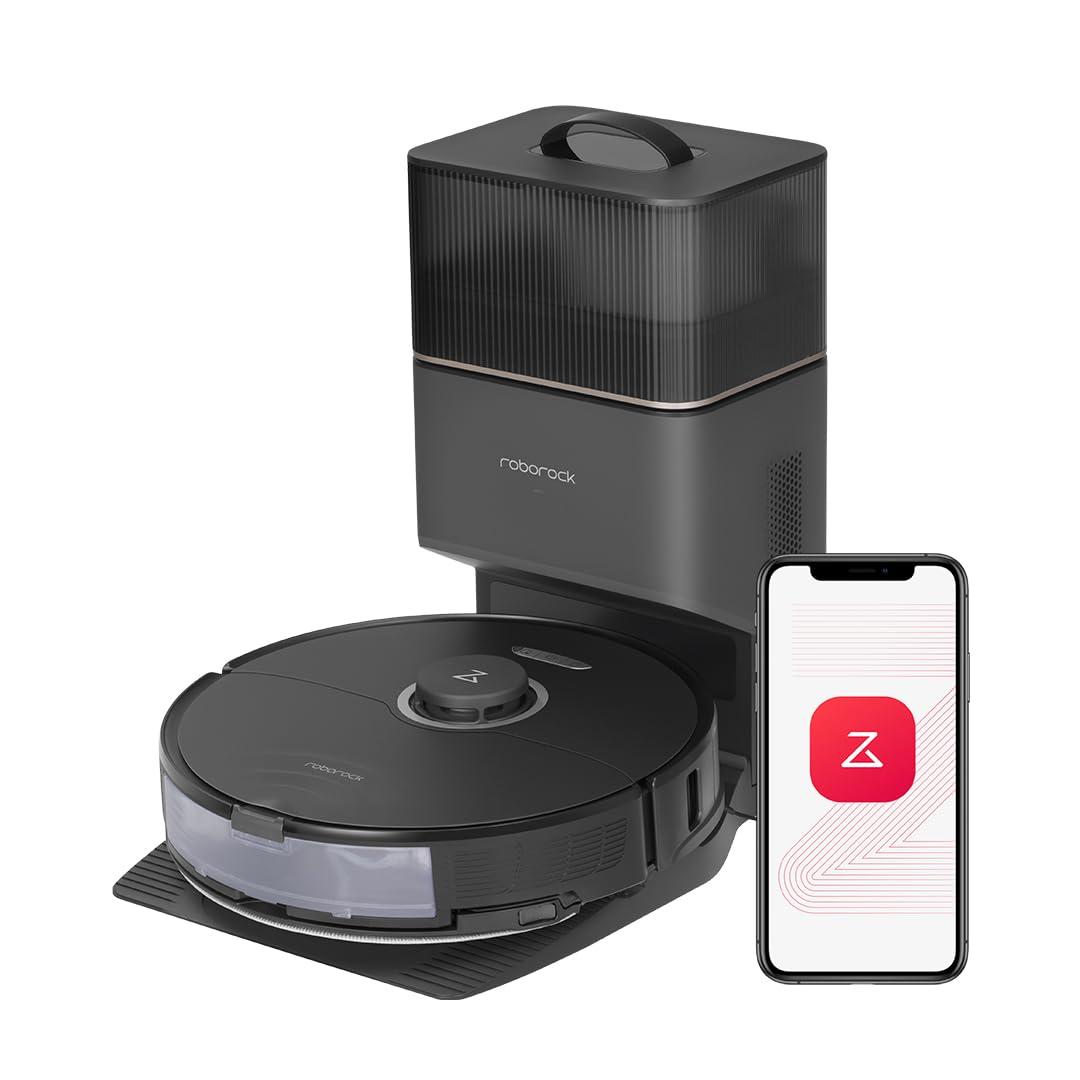
Once you start using it regularly, maintenance settles into an easy rhythm rather than a chore. You tend to check the app quickly after a run, then make a short walk to the dock once or twice a week to peer into the collection bag and the dock opening; if the bag looks visibly packed or smells a bit dusty you swap it out sooner. On those same visits you usually knock loose any long strands wrapped around the main roller, give the intake mouth a quick wipe with a dry cloth, and glance at the mop pad to see if it needs rinsing. There are small, recurring habits to — pausing to untangle hair from the side brushes, nudging the base so the robot docks cleanly, or sliding the bag out and reseating it more carefully after you knock it while vacuuming — little adjustments that become part of the weekly cadence.
Common contents after a week frequently enough read like a snapshot of foot traffic and household life: a fine grey film of dust, clumps of pet hair, the odd lint-and-fabric fluff from rugs, and scattered food crumbs from the kitchen. The table below gives a simple picture of what you’ll usually find in the dock after seven days of typical use, with quick notes on how they present themselves; results do vary by whether you have pets, kids, or frequent outdoor-to-indoor foot traffic.
| Debris type | typical appearance in the dock |
|---|---|
| Fine house dust | Light grey dust layer, the bulk of every-week accumulation |
| Pet hair | Long strands and small tufts, can form mats around fibres |
| Food crumbs & grit | Small, denser particles that settle into the bag base |
| carpet fibres & lint | Short fibres mixed with dust, especially after rug cleaning |
- Occasional surprises: small paper shreds from packaging, a few seeds or coarse sand tracked in from outdoors.
- After a particularly busy week you’ll notice more dense clumps rather than just a fine dust layer.
How it Fits Into Everyday Use
Having lived with the roborock S8+ for a while, you notice it becoming part of the house’s quiet background, moving thru rooms in regular household rhythms and pausing by the spots that collect the most dust. In daily routines it nudges at thresholds, works around chair legs, and changes how you leave things on the floor, and you see small shifts in rugs and high-traffic finishes as it’s used. There’s a comfort to its steady presence, no fanfare, just the way your days rearrange themselves around a machine that’s there every morning and evening. Over time it settles into routine.
As an Amazon Associate I earn from qualifying purchases. Amazon and the Amazon logo are trademarks of Amazon.com, Inc, or its affiliates. All images belong to Amazon