You pull the left door of the cafe CVE28DP3ND1, a matte‑black, 4‑door French‑door refrigerator, and the hinge gives a quiet, purposeful resistance. The finish feels cool and slightly toothy beneath yoru palm, shrugging off smudges instead of advertising them. Opened up, an even LED wash flattens shadows so jars and cartons read at a glance rather than hide in corners. From across the kitchen it registers as a considerable presence — broad, balanced, a bit deeper than the counters — without overwhelming the room. The freezer tray glides with a damped slide and the external dispenser pauses mid‑whirr as sensors settle into a fill. Your first impressions are tactile and domestic: weight, a low steady hum, clean lines, and those small mechanical clicks that tell you how it will live day to day.
How this four door refrigerator settles into your kitchen rhythm
From day one it slides into routines more than it demands them: the top doors are the speedy-reach for breakfast and snacks, while the lower compartments take on project roles—meal prep staging, long-term storage, or a temporary thawing spot. The auto-fill dispenser and the radiant back wall light show up as small conveniences that shorten habitual tasks (filling a pitcher, spotting a jar on a late-night search) rather than redefine how the kitchen runs. The matte,fingerprint-resistant surface mostly stays presentable between quick wipes, and the drawers and doors tend to quiet any late-night trips so the kitchen’s rhythm keeps moving without drawing attention.
On a weekly cadence, certain actions recur: groceries are unloaded into familiar zones, pizza nights make use of the slim slide-out tray, and the temperature-flexible drawer is nudged from soft-freeze to fridge mode depending on what’s being staged. Small upkeep fits naturally into those moments—brief surface wipes after handling fresh produce, an occasional emptying of the ice bin, a quick rearrange of shelves before hosting. Typical touchpoints look like this:
- Morning refill: pitchers and coffee pots get filled, often with a single press at the dispenser.
- Unloading groceries: heavier items go into the lower sections while herbs and delicate greens go into the humidity-controlled bins.
- Weekend prep: the convertible drawer becomes a staging area for thawing or chilled appetizers.
For full specifications and configuration details, see the complete listing: View full specifications.
What the fingerprint resistant matte black surface and door action register under your hand
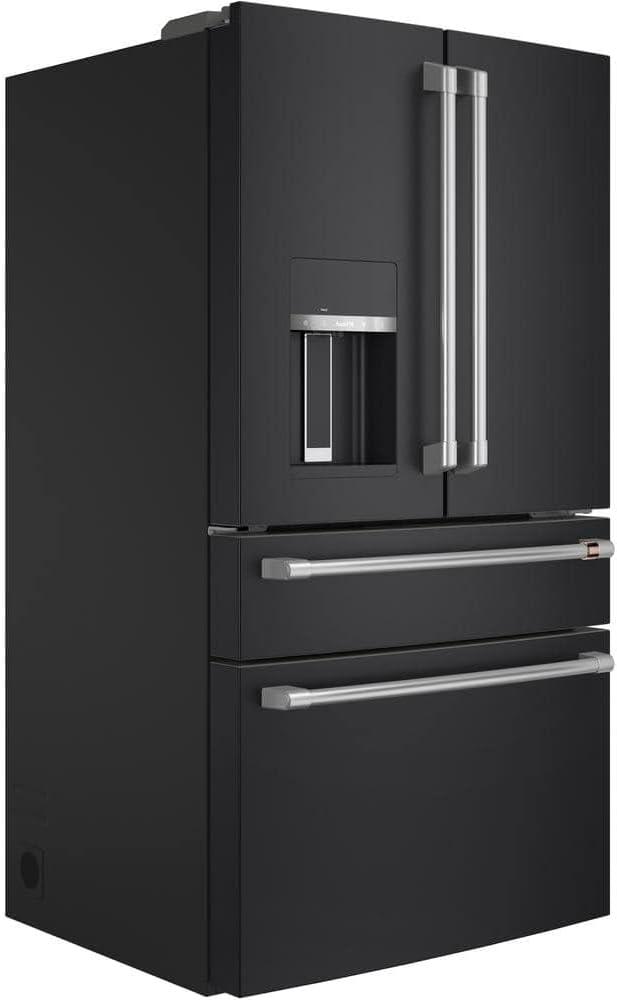
When you run your hand across the matte black surface it greets you with a muted,slightly toothy feel rather than a slick gloss—cool to the touch at first,then warming a little where your palm rests. The fingerprint-resistant finish means you’ll notice far fewer thumb prints in ordinary kitchen light, though angled or direct light can reveal faint streaks that only show up if you look for them. The door edge and handle area register as deliberately sculpted under your grip: there’s a shallow ledge to anchor your fingers and a subtle bevel that keeps the contact feeling consistent whether you open the doors with a full-handed pull or a fingertip tug.
You can sense the hardware as much as you feel the skin of the exterior—the hinge offers a measured resistance that lets the door swing smoothly without a sudden flop, and the magnetic seal gives a tangible finality as it meets the frame.Small, routine interactions stand out: reaching in with one hand, nudging the door with an elbow, or pausing with a grocery bag resting on the hip all change how the motion registers. A few quick tactile cues you’ll come to expect include:
- Texture: matte, slightly grippy rather than glassy
- Temperature: cool initially, then body-warmed where you touch
- Closure feel: steady resistance, then a soft, magnetic latch
Wiping the finish becomes a brief, occasional habit more than a daily chore—part of how the surface and door action live in your ordinary kitchen rhythm.
Where it sits in your kitchen: doorway,floor and clearance dimensions as you move it into place
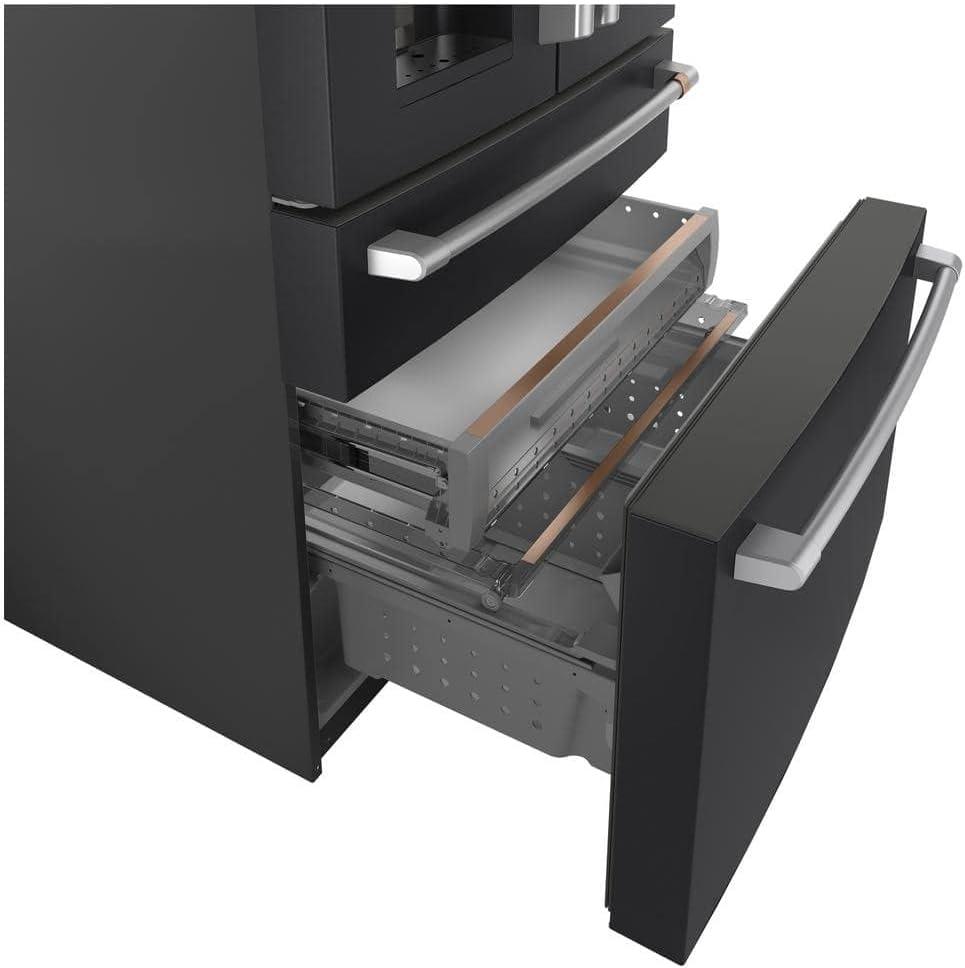
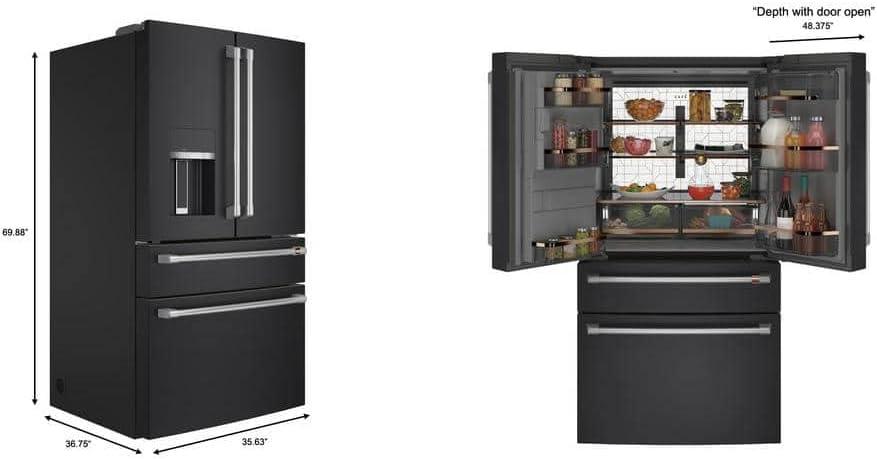
When you wheel it in, the first impressions are spatial: it takes up real presence as you pivot through a doorway or down a narrow hall.The unit’s footprint — roughly 35.6 inches across, about 70 inches high and close to 36.8 inches deep — means you’ll notice how little tolerance remains when turning corners or angling it through a standard entry. In practice that looks like brief stops to re-angle the dolly, a quick peel of packing straps, and the occasional sideways squeeze where trim or a banister nudges the sides; ceilings around eight feet tend to leave only a few inches of overhead room, so you feel the height more than you do the width. Door handles and the front profile can catch on jambs if you don’t allow an extra inch or two while passing through tight spots, and moving it on a carpeted floor can feel slower than on tile or plywood boards laid down for the move.
Once it’s up against the wall, the considerations shift from contortions to clearances and floor behaviour. You’ll want the floor to sit flat under the feet so the doors hang evenly and the freezer drawer slides without binding; older floors can show soft spots where the fridge tends to wobble a little until you nudge the legs. Typical clearances that show up during placement are best thought of as functional space rather than exact rules — a small gap at the back for air and hoses,room above for the cabinet doors to open smoothly,and unobstructed hinge and drawer paths in front. A few quick reference numbers you’ll likely check while positioning are in the table below (approximate and meant for planning, not as installation guidance):
| Reference | Approximate Dimension |
|---|---|
| Cabinet width | ~35.6″ |
| Cabinet height | ~69.9″ |
| Cabinet depth | ~36.8″ |
- Rear and top gap: leaves room for hoses and airflow; you’ll notice it most when backing it up to cabinetry.
- Door swing space: doors and the freezer drawer need clear frontal space to open fully.
- Floor flatness: uneven spots make small adjustments and short pauses part of the usual settling-in routine.
How you reach for snacks, arrange produce and interact with the adjustable shelves during a typical week
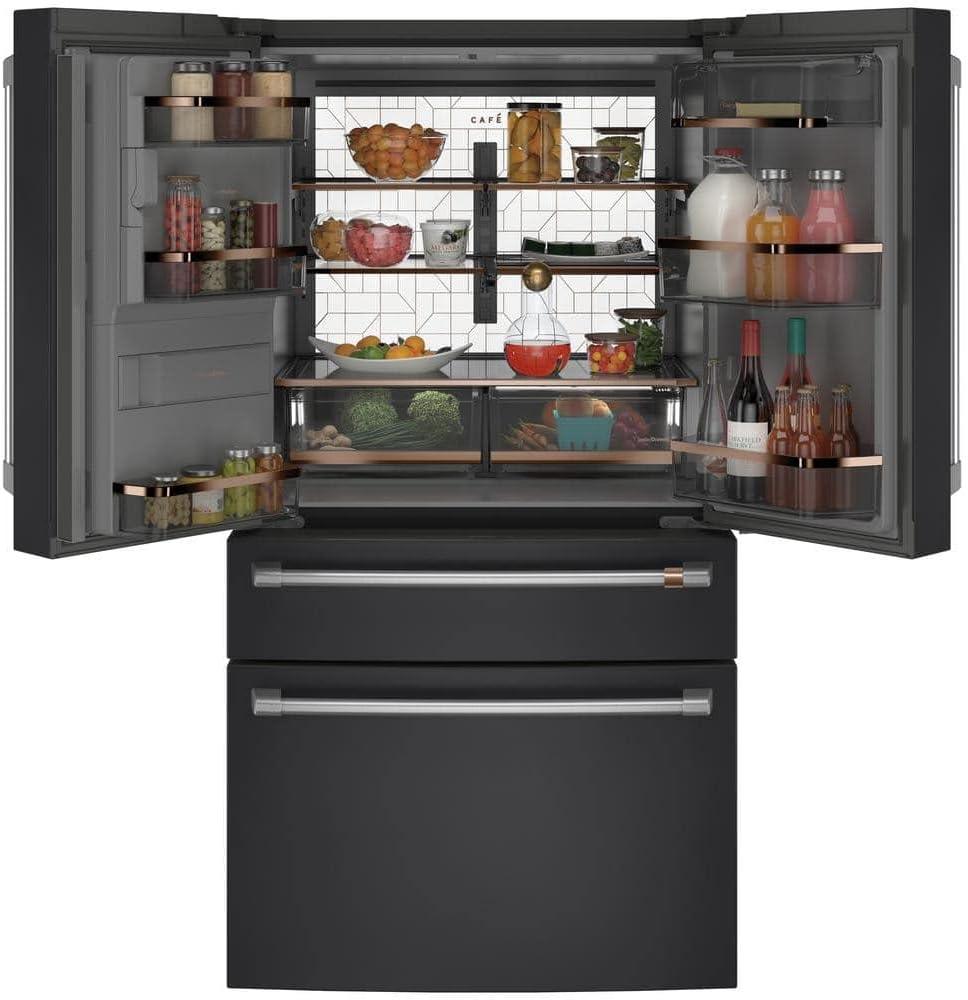
On a typical week you find yourself arranging a small “snack zone” on the middle shelves so the things you reach for most are at eye level. Mornings usually mean yogurt, juice and a bit of fruit that you can pull out with one hand; evenings are more likely to involve cheese, hummus tubs and open containers that you nudge forward as you scan the shelves. The refrigerator light makes late-night foraging quicker, and you’ll frequently enough slide a glass tray partway out to retrieve a jar or an awkward container. Small habits emerge: you tend to keep the most-used items near the front, the kids’ snacks on a lower shelf for easier access, and bulk or overflow on higher shelves until you can reorganize after a grocery run.
- Front, middle shelf: grab-and-go items (yogurts, prepped dips)
- Lower shelf: kid-friendly snacks and bottles
- Top shelf or back: overflow and long-term items
When it comes to produce and the adjustable shelves, your week has a small choreography. After unloading groceries you make minor height changes to accommodate a tall pitcher or a baking pan,and those quick tweaks are usually done with both hands—the glass shelves feel sturdy but won’t slide easily with one hand when loaded. The two humidity bins become a routine staging area: one side for leafy greens you check and mist a few times, the other for sturdier fruits you rotate toward the front so they don’t hide. You use the convertible drawer’s sliding dividers to separate cheeses from deli meats or to corral small containers, and you’ll occasionally pull out a shelf to wipe a spill while the rest of the fridge waits. The table below outlines how you typically assign shelf space during a busy week.
| Shelf Location | Typical Contents | Interaction Notes |
|---|---|---|
| Middle (eye level) | Frequent snacks, ready-to-eat items | Frequently enough front-facing; easy one-handed grabs |
| Lower | Beverages, kids’ snacks | Accessible for children; taller items sit at the sides |
| Humidity bins / convertible drawer | Leafy greens, fruits, deli, soft-freeze items | Rotated midweek; dividers used to separate items |
When the refrigerator meets your needs and when it reveals limits in daily life
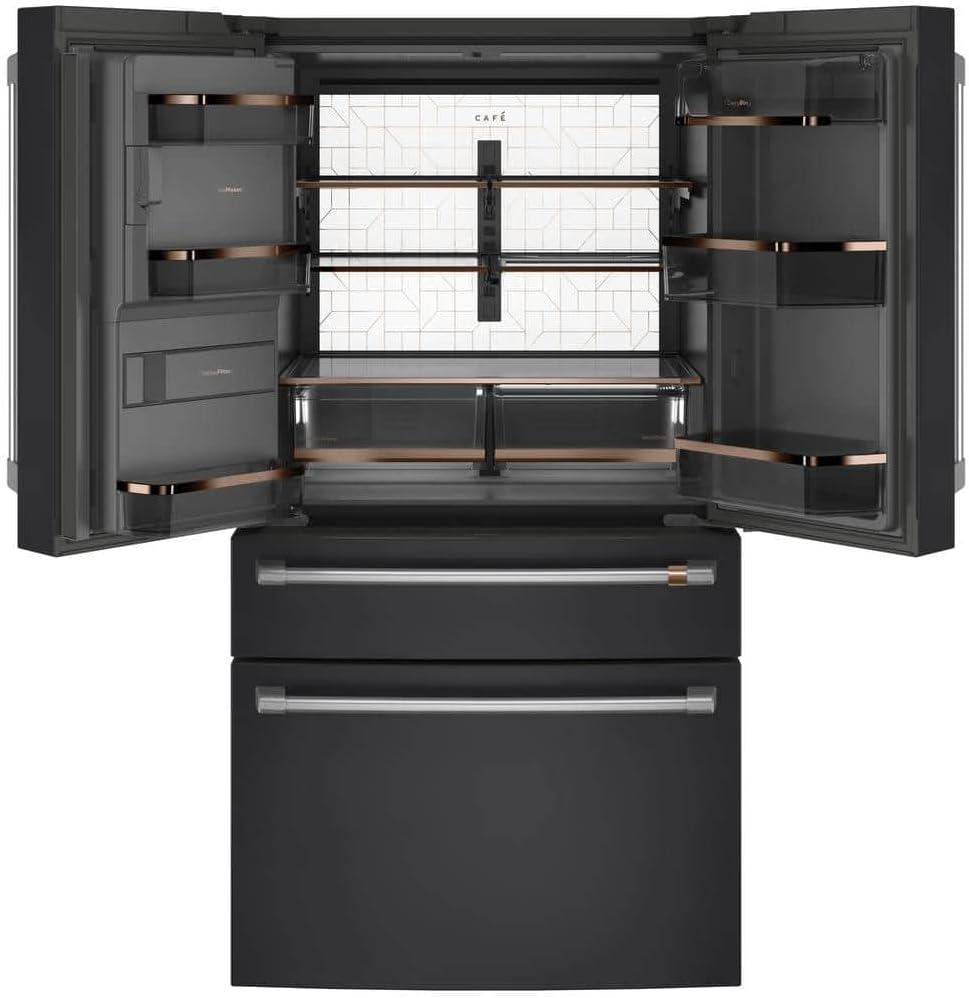
When it fits the flow of everyday use — the layout and controls fall into routine quickly: wide glass shelves and the bright back lighting make locating leftovers or stacked containers straightforward, the external water dispenser and AutoFill function shorten quick kitchen pauses, and the convertible drawer’s temperature versatility is easy to reach for midweek meal prep. In regular loading and unloading the fingerprint-resistant finish tends to keep obvious smudges down, though occasional wiping is part of the normal upkeep. Small habits develop around the appliance (sliding a heavy casserole onto the slim full-width tray, nudging a tall bottle into a side bin, pausing to sense that the soft‑freeze drawer is set to the right notch) — these little interactions show how the unit integrates into a kitchen rhythm rather than standing apart from it.
when everyday use exposes practical limits — certain moments require compromise. Door swing and cabinet clearance can feel tight in narrower kitchens, and some awkwardly shaped platters or cookware need a bit of rearranging to sit flat.The convertible drawer offers useful temperature options, yet it does not replace separate long-term freezing practices for bulk items; likewise, the door bins work well for many bottles but are less forgiving with very tall or unusually wide containers. A few routine patterns and observations are common:
- Defrost or ice-cycle noises are noticeable during quiet evening hours.
- Filter and ice maker pauses interrupt expectation of continuous supply on occasion.
- Sliding glass dividers and humid zones simplify produce storage but prompt small swaps between zones as groceries change.
| Routine task | Observed limit |
|---|---|
| Loading large party platters | Requires shelf reconfiguration or using the pull-out tray at unusual angles |
| Storing tall bottles | May need door-bin rearrangement or placement on a lower shelf |
View full specifications and listing details on the product page.
How the smart controls, app alerts and interior lighting slot into your routines
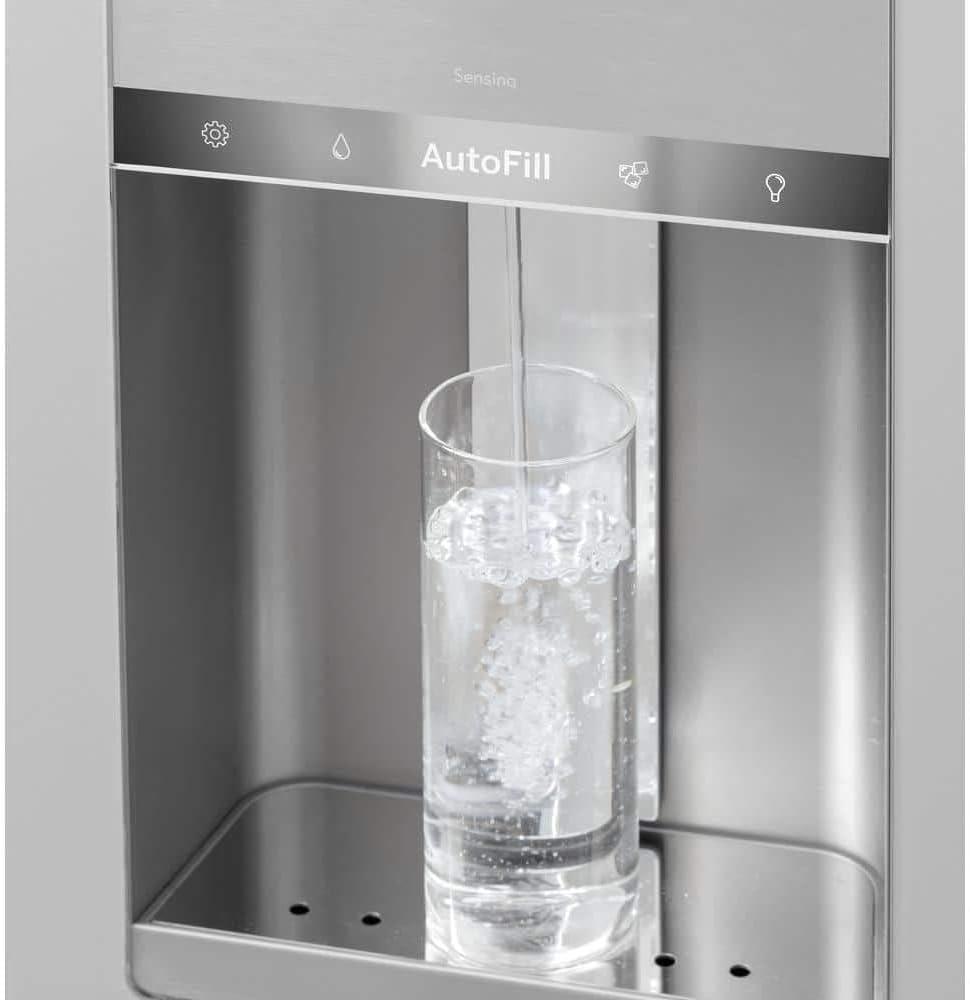
Smart controls tend to become one of the first things you touch after installing the refrigerator—whether you use the panel on the unit, a voice prompt, or the mobile app. In everyday use you’ll find yourself switching modes or nudging temperatures at odd moments: lowering the compartment temperature before you load a hot casserole, engaging a quick-cool option after bringing in a week’s worth of groceries, or silencing alerts when someone leaves the door open during a family dinner. Interacting with the controls often feels like a short habit—tap, glance, move on—and occasionally requires a small pause to clean fingerprints or wipe around the panel as part of your usual kitchen tidying.
The app alerts and the interior light tend to slot into different parts of your routine in complementary ways. notifications often arrive while you’re out or in another room and can prompt a quick check on your phone; common, situational examples include a door left ajar, a noticeable temperature change, or a service-related message about filters or ice. Inside the fridge, the bright, even lighting makes it easier to find things during brief rummages late at night or when you’re unpacking groceries under time pressure—items at the back become visible without extra searching. A few everyday moments where these systems interact:
- On the go: a push notification about a door or temperature issue that you see while running errands.
- In the kitchen: a quick tap on the control panel to trigger a short-term mode before guests arrive.
- At night: the interior lighting helps you find a snack without turning on overhead lights, and you rarely need to linger.
| Alert type | Typical trigger you might notice | Usual next step |
|---|---|---|
| Door ajar | Door left open after unloading groceries | Check the fridge when you return home |
| Temperature fluctuation | Power interruptions or a warm load of food | Monitor temperature via the app |
| Filter / ice notices | Scheduled maintenance or low ice | Plan a replacement or refill during your next shopping run |
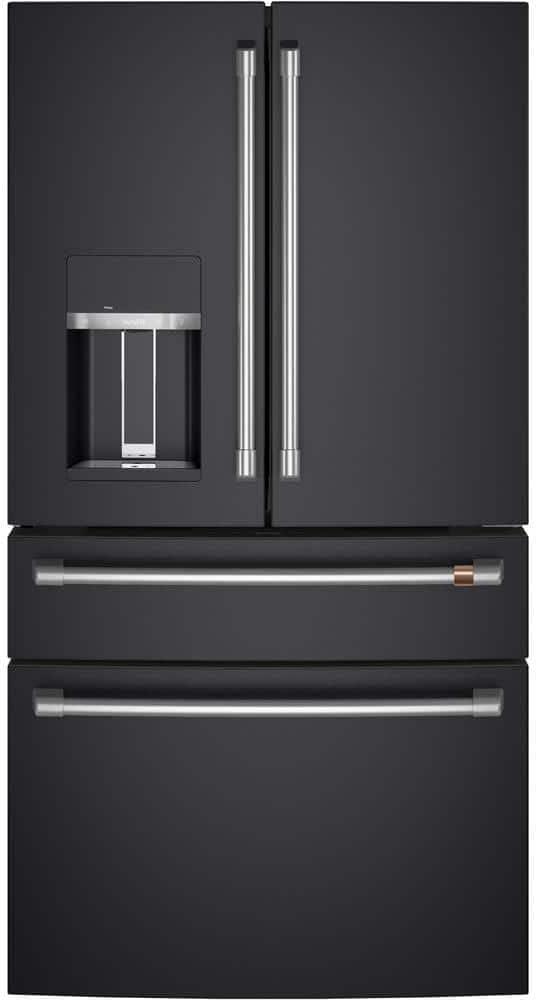
How It Settles Into Regular Use
Living with the Cafe CVE28DP3ND1 27.8 cu.ft. Smart 4-Door French Door Refrigerator in Matte Black, Fingerprint Resistant and ENERGY STAR shifts from novelty to a steady presence over time.It quietly changes the way shelves and door bins are used — a middle shelf becomes the habitual spot for lunch containers, crispers are rotated depending on the week’s produce, and tall bottles are nudged into a corner. The matte surface gathers the small marks of daily handling, soft smudges and the occasional wipe that become part of its lived-in look. In the rhythm of ordinary days it simply settles into routine.
As an Amazon Associate I earn from qualifying purchases. Amazon and the Amazon logo are trademarks of Amazon.com, Inc, or its affiliates. All images belong to Amazon