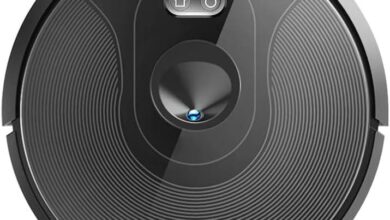
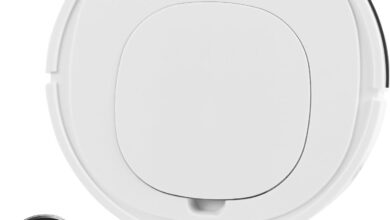
You watch it glide out of it’s dock in a quiet, purposeful line, hesitating at thresholds like a careful guest. The Tikom L8000 Pro looks compact and slightly squat rather then sleek, and from across the room it reads as a low, balanced object that doesn’t visually commandeer the space. Pick it up and the shell feels cool and matte under your palm, weightier than it looks but easy enough to lift; the bumper gives with a soft spring when you nudge it. It registers more as a steady hum than a machine shouting for attention, and during that first run the little lights and the map unfolding on your phone make the whole thing feel like a small, practical presence settling into your home.
How the tikom L8000 Pro fits into your morning routine the first time you set it loose
The first morning you set it loose, the experience folds into the ordinary rhythms of getting ready: you tap the app or press the button while you’re making coffee, and then watch the little machine begin its exploration. It starts by tracing the room edges and then moves into longer, methodical passes, leaving a visible path on the app’s evolving map as it goes. In real time you notice small, everyday behaviors — a gentle nudge against a stray shoe, a momentary hesitation at a rug edge, a deliberate glide under the low sofa — that make the whole event feel less like a one-off demo and more like an extra pair of hands in the background.while it works you carry on with morning tasks, checking the map now and then and pausing to move anything the robot can’t read clearly, like a pile of kid’s toys or a loose charging cable.
By the end of that first run the robot has already started to shape how your mornings flow: there are a few speedy checks that slip into the routine.
- clear paths: a quick sweep for cables and clutter before launch
- App glance: watching the map form or setting one small virtual boundary if needed
- Post-run habit: a brief emptying of the dust bin or a wipe of the mop pad depending on what it collected
These actions feel incidental, like adjusting a thermostat or brushing your teeth — small, habitual touches that make it easier to leave the house or sit down with breakfast while the floor gets covered.The very first morning tends to include a couple of one-off tweaks (moving a doorstop, nudging a rug hem), but after that you’ll likely find those little tasks fold neatly into the same short sequence of checks you already do before stepping out the door.
How it feels when you pick it up: the shell, weight and materials under your hand
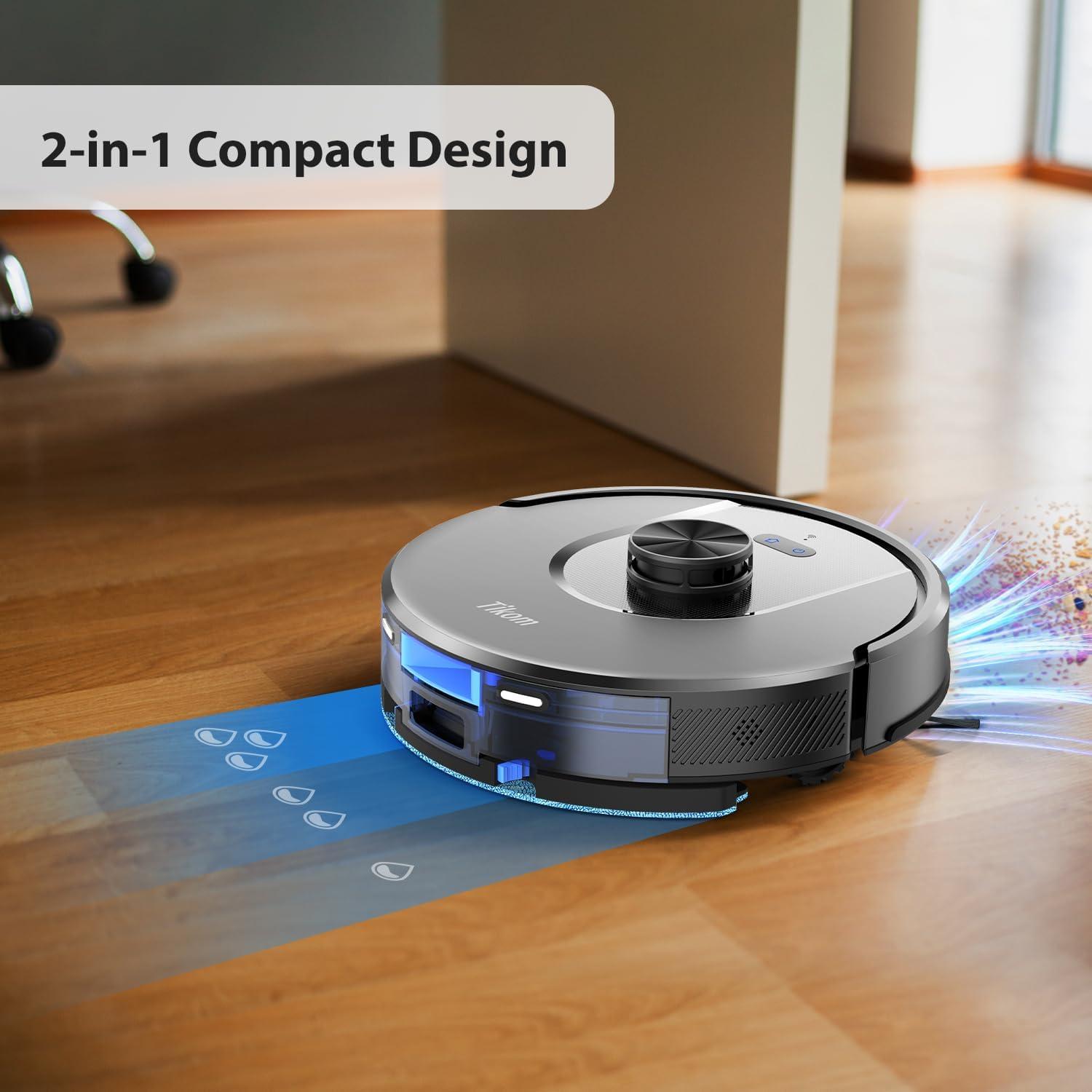
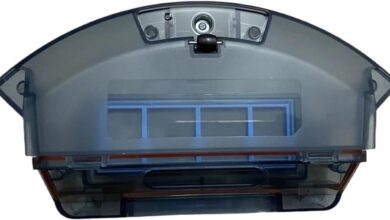
When you pick it up from the floor or tilt it toward you to remove the dust cup,the first thing you notice is the shell’s finish: mostly matte plastic that feels cool and a little grippy under your palm.the edges are rounded so your hand slides into a natural cradle rather than catching on seams,and there’s a shallow recess across the top where your fingers tend to settle when you lift. The outer bumper and trim are glossier and a touch smoother, so they contrast with the matte top; together those differences make the machine feel composed and balanced in your hand, with the weight sitting centrally rather of feeling front- or back-heavy. You can sense the solid build as a brief, single heft rather than a flimsy wobble, and the click of the dust-bin lid is immediate beneath your thumb when you steady it to open.
handling it for routine tasks brings out the small tactile details you’d rarely notice from across the room: the dust cup edge has a slightly textured lip that helps when you pull it free, the power and spot-clean buttons have a muted plastic resistance, and the bumper’s rubberized strip gives a softer feel when you cup it to move.You’ll likely notice fingerprints on the glossy band and dust on the seams—things you wipe off as part of ordinary upkeep—while the wheels and underside feel rubbery and engineered rather than rough. Below are a few quick touchpoints and a short reference table to clarify those sensations.
- Top shell: matte, slightly textured, cool to touch
- Bumper/trim: glossier, smoother, rubberized band along the rim
- Dust-bin lip: textured edge with a tactile click when released
| Area | Material / Feel |
|---|---|
| Top surface | Matte plastic — lightly grippy and cool |
| Bumper and trim | Glossier plastic with rubberized strip — smooth, shows fingerprints |
| Dust bin edge | Textured plastic — tactile latch and firm seating |
How you control it and hear it: the app, the buttons and the sounds in your rooms
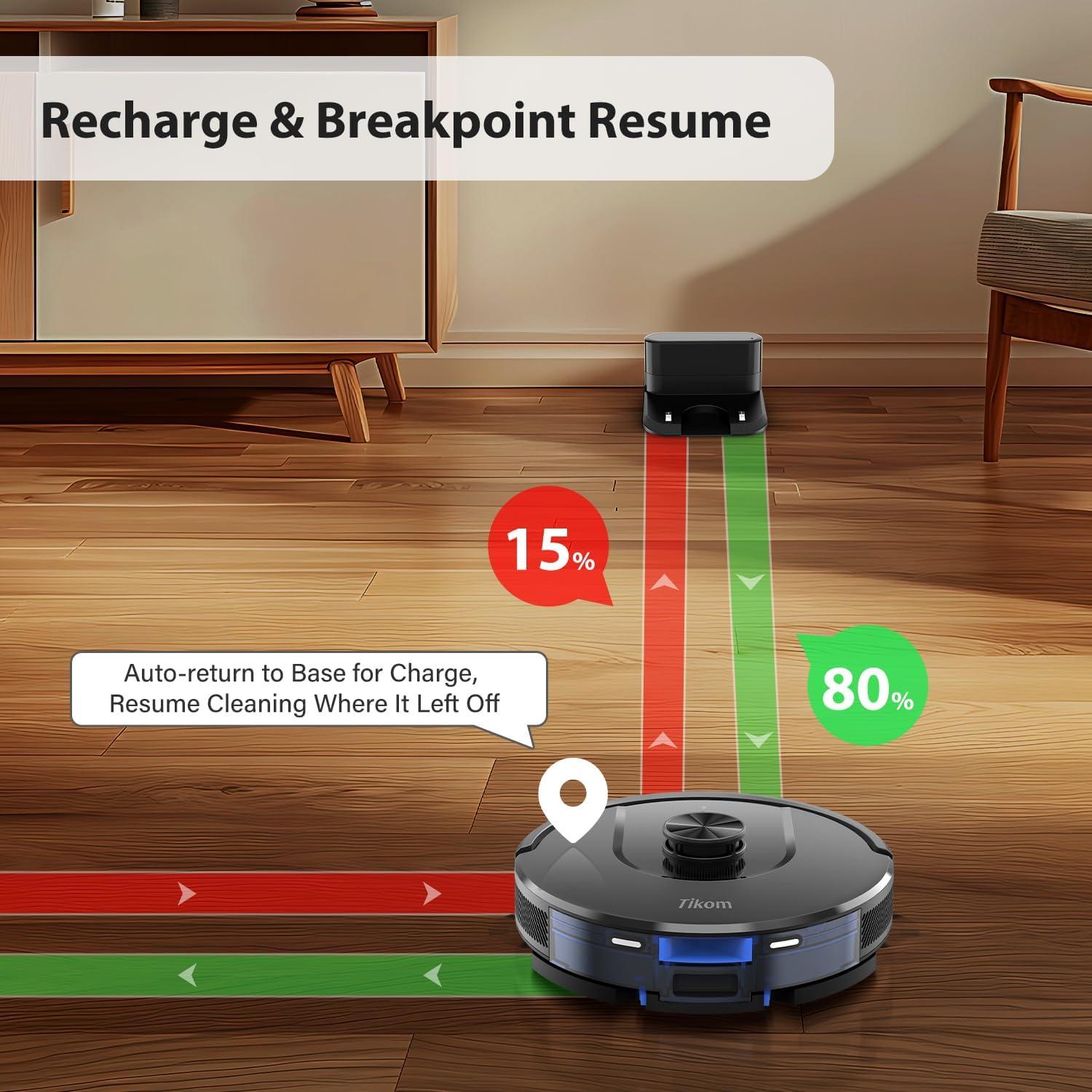
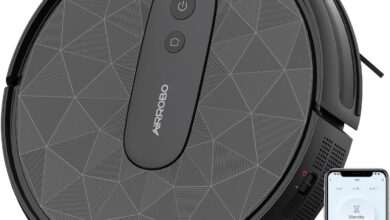
When you interact with it day-to-day the smartphone app quickly becomes the control center: you open it to watch a live run, tap a room to send the cleaner there, and nudge suction or water settings mid-job if a spill needs more attention. Voice control via your smart speaker also works as a shortcut — you can tell the assistant to start, stop or send the unit home without opening the app, and those simple commands are the ones you’ll use when your hands are full.There are also a few physical controls on the robot itself for moments when your phone isn’t handy; the top panel carries the basic trio you’ll press by feel — Power / Pause, Home / Charge, and Spot Clean — plus a small Wi‑Fi/pair indicator for pairing or troubleshooting. A quick tap on those buttons gets the robot moving or sends it back to base, and you’ll often switch between using the buttons for immediate actions and the app for anything more deliberate, like scheduling or editing boundaries.
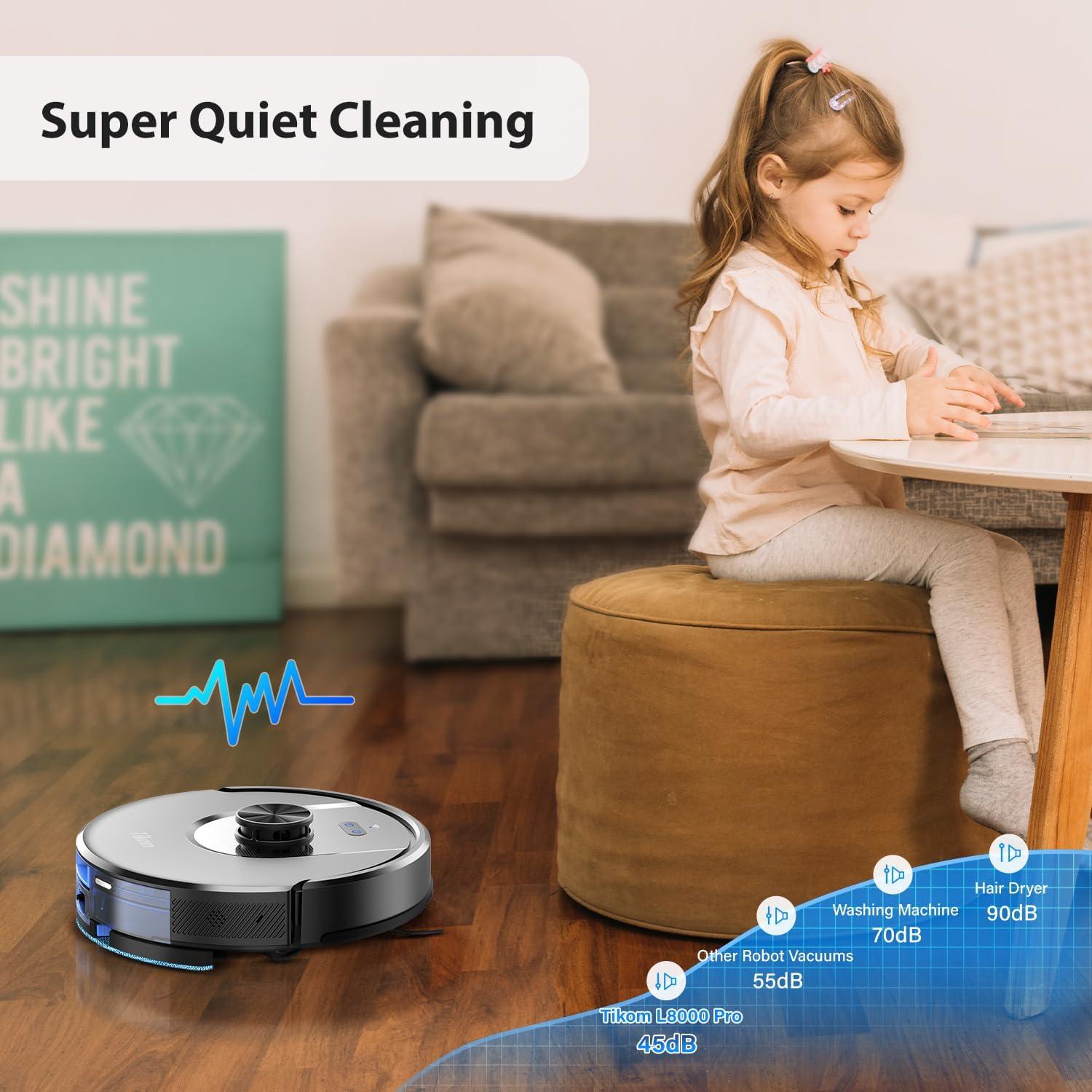
Audio cues are part of how you keep tabs on what it’s doing: short beeps when a job starts, a different chime when it docks, and concise voice prompts for things like “returning to base” or “cleaning complete.” Some tones signal issues — repeated beeps or a voiced alert if it thinks it’s stuck or the dust bin needs attention — and push notifications from the app mirror many of those messages so you don’t have to be in the same room. You can change how chatty it is from the app (including quiet or do‑not‑disturb settings) if you prefer fewer announcements. The difference between low and high suction is audible when it shifts power levels,and you’ll notice that in adjoining rooms more than when you’re standing right beside it. Below is a simple guide to the most common sounds and what they indicate in typical use:
| Sound | Typical meaning |
|---|---|
| Single start chime | Job has begun or resumed |
| Docking tone | Returning to or aligned with charging base |
| Repeated beeps / spoken alert | Obstacle detected, stuck, or maintenance needed |
| Power ramp noise | Suction level increased (noticeable between modes) |
Where you can put the dock and how the robot navigates around your furniture
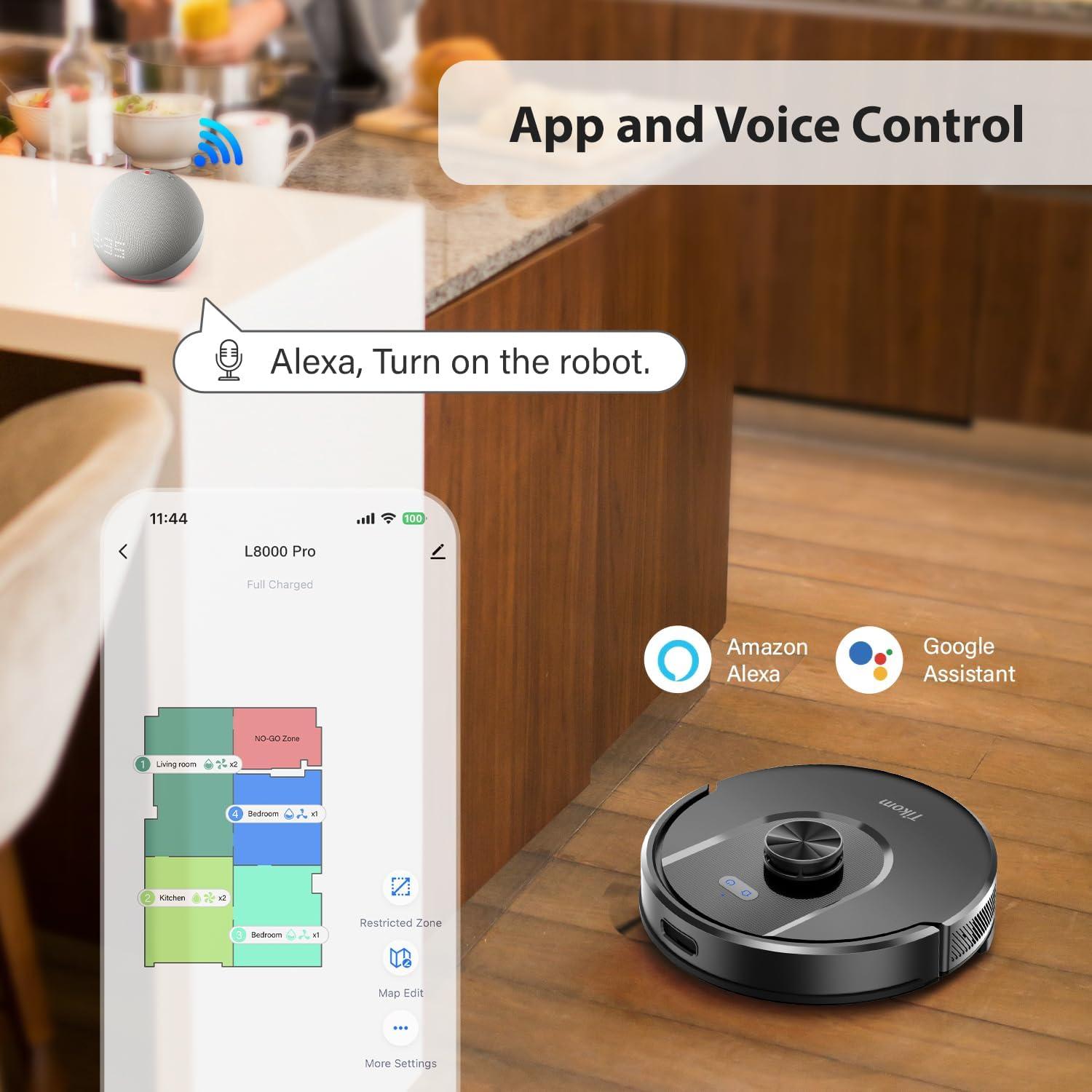
When you pick a spot for the charging dock you’ll usually choose a level stretch of wall with an outlet nearby and some breathing room in front so the robot can finish its run and park without squeezing. In practise that means moving a plant,shoe rack or an extra cord a few inches rather than tucking the base under furniture. Give the robot a clear approach — in most homes that looks like the area directly in front of the dock being relatively unobstructed — and avoid placing the dock in narrow passageways where people still walk through regularly. You’ll also notice that the dock prefers being on the same floor level as the cleaning area; if it’s placed on a rug edge or partly under a low console the robot can misalign or take several attempts before it docks.
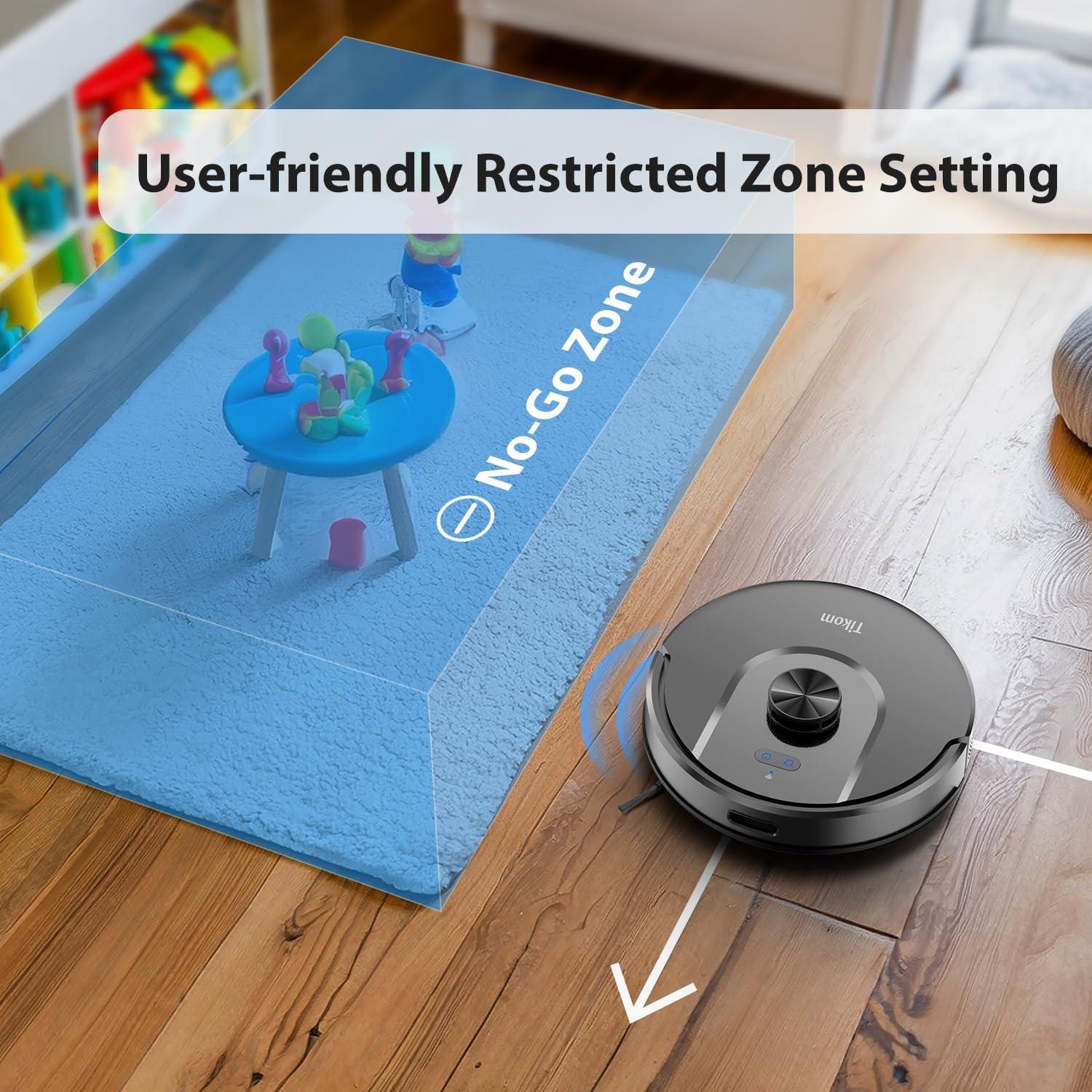
Once the home has been mapped, the unit navigates room by room and adapts its route around legs, ottomans and sofas; it tends to follow straight, systematic passes and will circle back or pause to re-route if a gap is too tight. Small, loose items like cords or toys can make it hesitate or require you to intervene, while clearly marked boundaries set in the app or with boundary tape keep it away from zones you don’t want it to cross. The table below shows a few common obstacles and how the robot behaves when it meets them during normal runs:
| Obstacle | Observed behavior |
|---|---|
| Chair legs | Skirts around them, frequently enough passing between legs if gap is wide enough |
| Low sofa or bed | Goes under if there’s enough clearance; or else cleans perimeter |
| Loose cords or small toys | May pause, try to push through, or get momentarily caught |
| Rug edges / floor registers | Crosses shallow thresholds but hesitates at raised transitions |
What a few days of cleaning look like for you — hard floors, carpet edges and pet hair
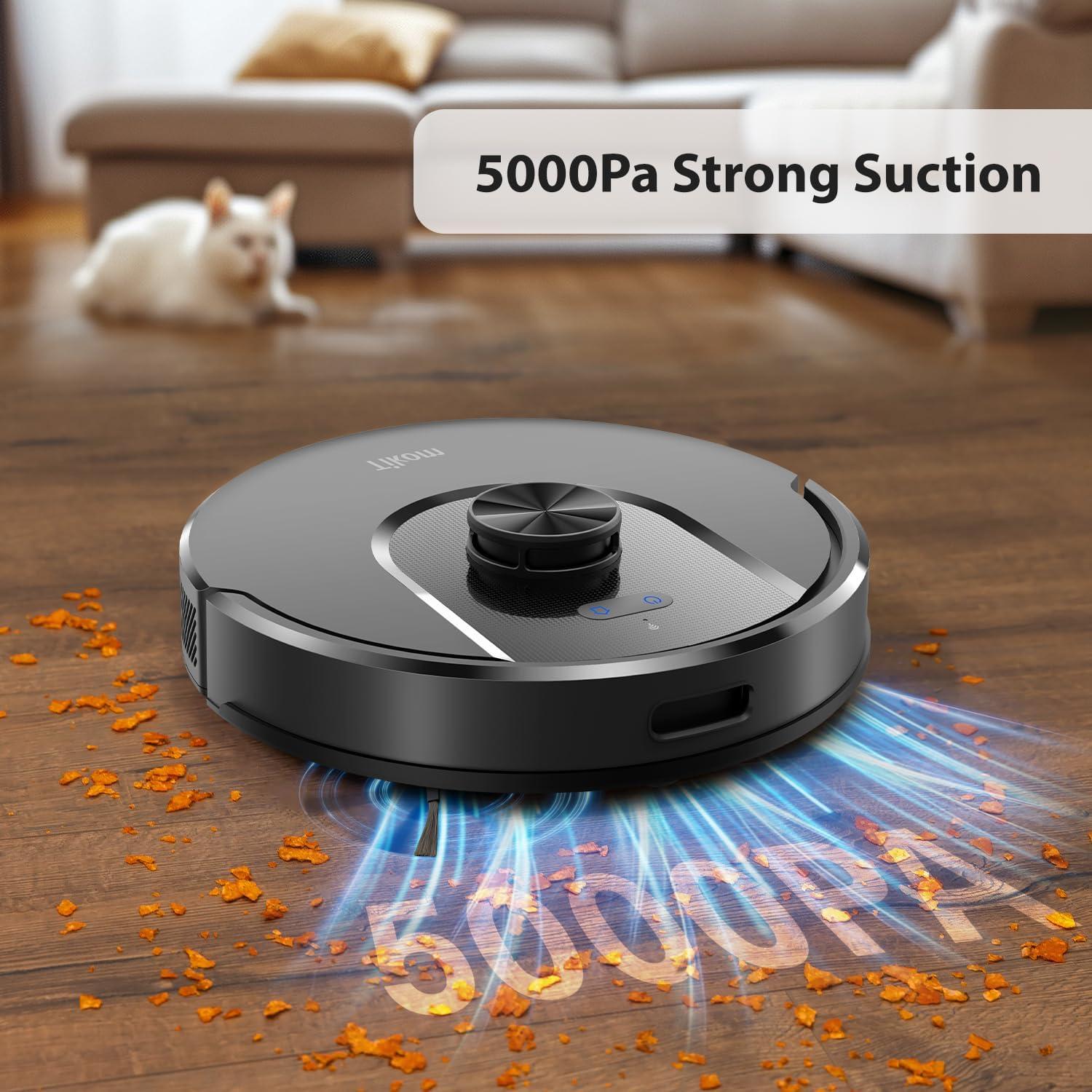
In the first few days you run it on the schedule you’ve set — a quick kitchen pass after breakfast, a living-room sweep in the afternoon, and an evening run through the hall — the change is most visible on hard floors: crumbs and tracked-in grit tend to disappear from the main walkways, and the floor looks less peppered between your deeper cleanings. The unit traces the room edge on its initial circuit and then works inward in straighter lanes; when it meets a rug or a threshold it frequently enough hesitates, sometimes climbing the low pile and sometimes skirting the very edge so a narrow strip along baseboards or thresholds can remain. pet hair shows up as short tufts where your animals nap; after a couple of runs you’ll notice hair wrapped around the brush and a partly filled collection cup, which you clear as part of your ordinary upkeep.
Over a few days you begin to see patterns: hard floors generally stay crumb-free between manual vacuums, carpet edges commonly hold a thin line of debris that you touch up with a handheld, and pet hair accumulates predictably under furniture and beside beds.Things you tend to check while it’s running include:
- whether a particular doorway or floor register causes hesitation
- how often hair winds around the side brush or roller
- which rooms still need a quick spot-clean after the scheduled run
| surface | Typical short-run result |
|---|---|
| Hard floors (kitchen,LVT) | Crumbs and surface dust cleared; fewer visible tracks |
| Low-pile rugs / carpet edges | Loose hairs lifted; thin strip at very edge may remain |
These recurring behaviors shape where and when you do brief touch-ups rather than changing how often you run the machine.
How it measures up to your expectations and where you’ll encounter practical limits
In routine use the machine often aligns with practical expectations: its room-mapping behavior and systematic passes tend to keep visible dust and pet hair under control, and its noise level is unobtrusive enough to run during daytime activities. The mop attachment shows up in everyday cleaning rhythms as a light-touch add-on rather than a deep-scrub solution, and the unit’s habit of returning to its charging base when needed makes multi-session cleanings feel fairly hands-off. Regular interactions — emptying the bin,wiping the sensors,and giving the main brush a quick glance — become part of the household cadence rather than onerous chores. Observed behaviors can vary by floor type and clutter: the same run that looks tidy on hard floors can leave edges or carpet fringes less attended.
Practical limits emerge predictably and are tied to the living space and routines rather than isolated flaws. Common patterns include:
- tight clearances and floor registers: narrow gaps and some recessed vents can stall or reroute the device more frequently enough than open areas do.
- Waste compartment size: the dust container reaches capacity sooner in high-shed environments, so emptying becomes a small, regular task.
- Mop coverage and stubborn spots: the mop pad’s modest surface means localized spills or ingrained grime may require follow-up cleaning.
Over time,map edits and occasional nudges to relocate obstacles become normal parts of keeping the device smooth-running; it adapts,but not without a bit of household tending. Full specifications and current variant details can be found on the product listing here.
How It Settles Into Regular Use
Living with the Tikom Robot Vacuum and Mop Combo, 5000Pa Suction, Smart Mapping, 45dB Robotic Vacuum Cleaner for carpets, Pet Hair, Hardfloors (L8000 Pro) over weeks quietly changes the feel of the rooms, so it reads more like background rhythm than a thing to notice. It threads around chair legs, skirts the edges of sofa bases, and slips back to its dock after the day’s passes, its low hum becoming part of the household cadence. Runners and hardwoods carry small traces of its steady rounds — faint brushing on high-traffic fabric and the occasional scuff where a threshold catches — plain signs of regular use. over time it settles into routine.
As an Amazon Associate I earn from qualifying purchases. Amazon and the Amazon logo are trademarks of Amazon.com, Inc, or its affiliates. All images belong to Amazon