you watch it travel the pane with a slow, deliberate glide, pausing and turning as if mapping the glass. When you lift the HOBOT S7 Pro window cleaning robot for the first time, its compact weight and matte shell register under your fingers — heavier and more centered than the photos suggested. On the glass the microfiber pads sit flush and slightly damp against your palm, while a low mechanical hum shifts pitch as it changes direction. sunlight picks out a faint mist that beads and fades behind it, and the trailing power cord gives the whole setup a grounded, workmanlike presence. Instinctively you rest a hand near it; the suction under your palm feels firm and the control beeps are all business, nothing showy.
First minutes on your sill: unboxing, power-up and the first wipe you watch
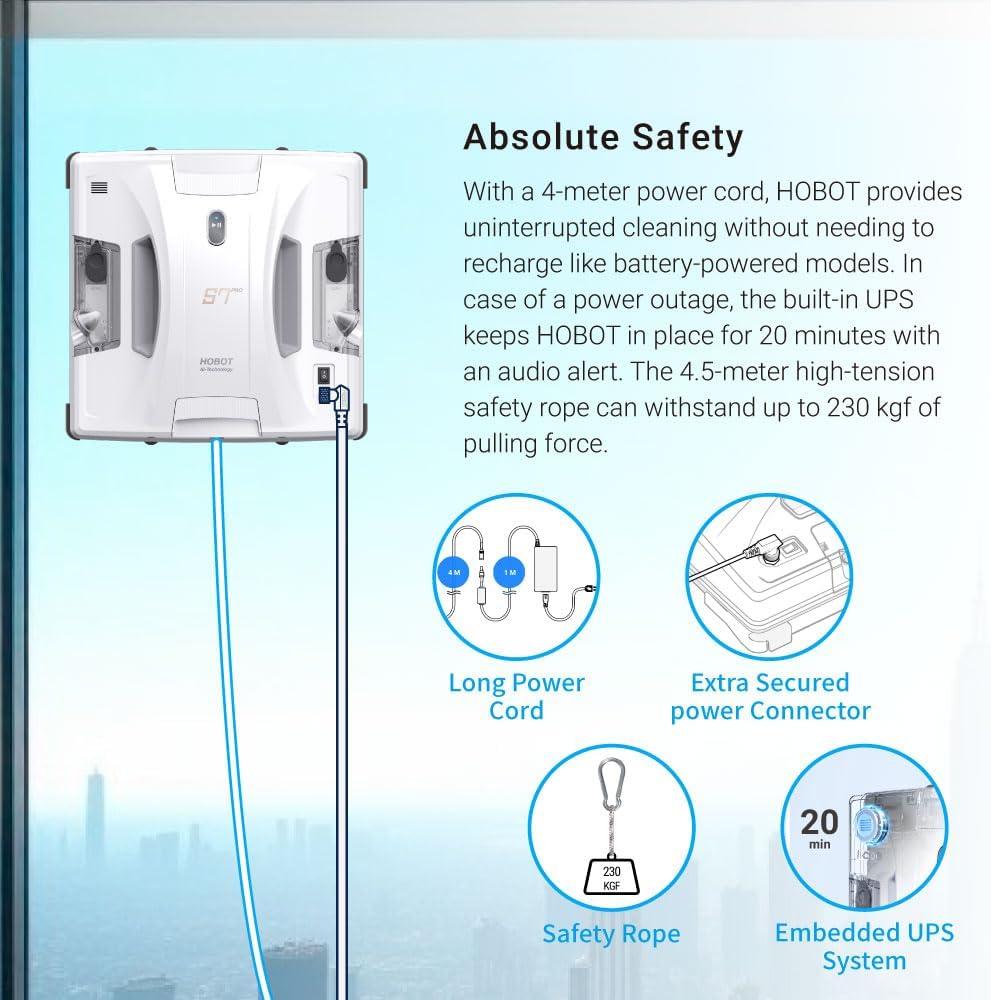
When you lift the lid, the unpacking feels straightforward: the main unit sits snug in foam, wrapped in plastic, and the accessories are tucked into a small compartment. You find the essentials up front — robot, power cord, remote, safety rope, detergent bottle and a set of microfiber cloths — each item easy too spot without rifling through layers of packaging. There’s a rapid-start leaflet on top; you skim it, peel off the protective films and notice the pads are already attached to the cleaning surface. The robot has a modest heft when you lift it, not so light that it feels flimsy and not so heavy that you hesitate to move it close to the window.
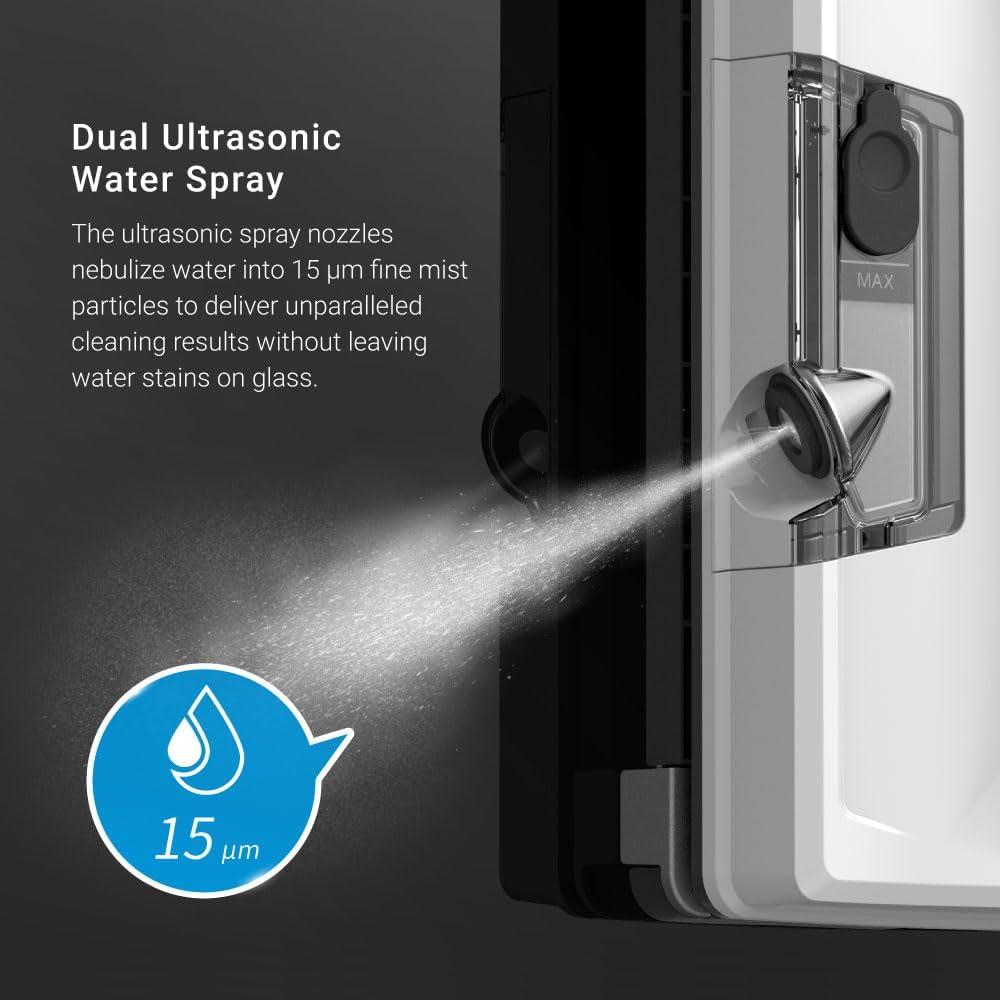
You plug the cord in and almost instantly there’s a short tone and an audible hum as the unit establishes suction; a soft voice prompt tells you it’s ready, and the LED indicator settles into a steady glow. Placing it on the glass, you watch the first pass: a fine mist appears, the cleaning heads begin their back-and-forth motion and the device travels in a predictable grid across the pane, pausing briefly at the frame before reversing direction. The pads pick up visible grime and darken where they contact the glass; occasionally a faint streak remains and you instinctively lean in to inspect the edge where the mop met the frame. Small,practical details show up in those opening minutes — the cord’s slack management,the way the tether sits against the sill,and how quickly the cloths look saturated — the routine of checking pads and clearing the lowest edge already feels like part of what you’ll do each time.
| Stage | What you notice |
|---|---|
| Power-up | Immediate hum and voice prompt; LED stabilizes as suction engages |
| First wipe | Visible mist, rhythmic mop strokes, predictable path with short pauses at edges |
What the S7 Pro looks and feels like in your hand and on the glass

When you lift the unit from its box or shelf it registers immediately as a composed object rather than a fragile one: the outer shell has a smooth, slightly matte finish and the edges where your fingers naturally fall are rubberised or textured so it doesn’t slip when you carry it. The weight feels distributed toward the center, so you don’t notice a pronounced top- or bottom-heaviness while holding it for a few seconds, though you’ll sometimes shift your grip for taller windows.The buttons and the power jack give clear tactile feedback — a distinct click or snug fit — and the attachment points for the cleaning cloths sit flush against the body; when you press the pads against the fabric they compress a little, which makes it easy to tell they’re seated correctly. A few small details stand out in hand: the safety tether anchor is simple to loop around, the cord has some resistance that keeps it from tangling immediately, and the microfiber material on the pads feels soft but dense under your fingers rather than plush or feathery.
- Grip and weight: centred, steady in short holds
- Controls and connectors: tactile, with definate clicks and snug fittings
- Mop pads: low‑pile, compliant when pressed
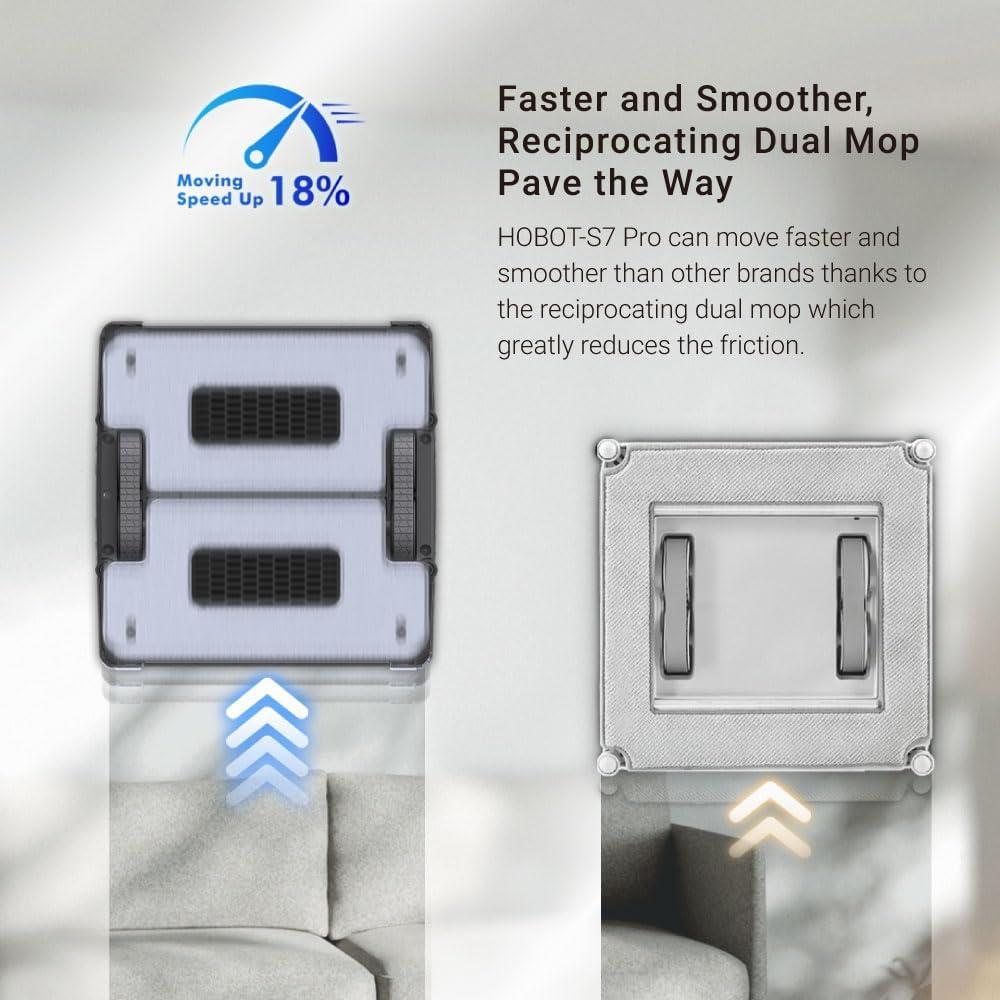
Once it’s on the window, the sensations shift from handling to feedback through the glass. When it powers up you can feel a subtle pull as the unit adheres, and that pull becomes a steady, low-frequency vibration while it moves — not sharp, but enough that you notice it when you rest a fingertip on the casing.As the cleaning heads work you sense a rhythmic, back-and-forth motion transmitted through the pads; the cloths glide and then slightly drag as they polish, producing a quiet cadence rather than a continuous hum. Bumpers and edge sensors show themselves as micro-pauses or small course corrections — the robot gives a little stutter where frames or handles interrupt its path, and the cord can add a faint lateral tug when it reorients. The overall impression on the glass is of a steady, mechanical polishing that you can both hear and feel: not weightless, but not aggressively forceful either.
| On-glass element | How it feels to you |
|---|---|
| Adhesion | gentle, steady pull when engaged |
| Mop action | rhythmic glide with brief drag moments |
| Frame/edge contact | small stutters or course corrections |
| Cord and tether | light lateral resistance during reorientation |
The controls, app prompts and auditory cues you interact with during setup
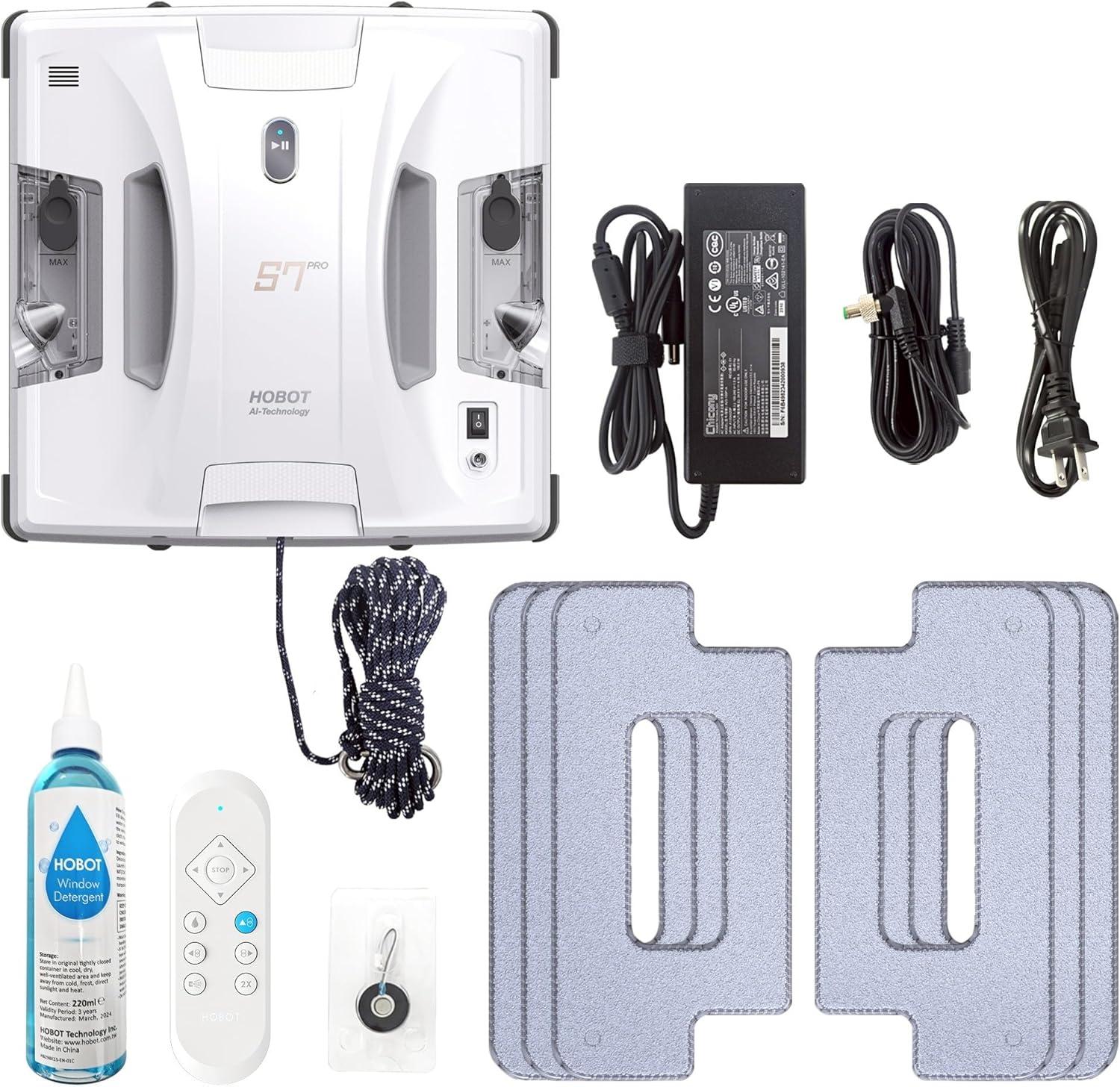
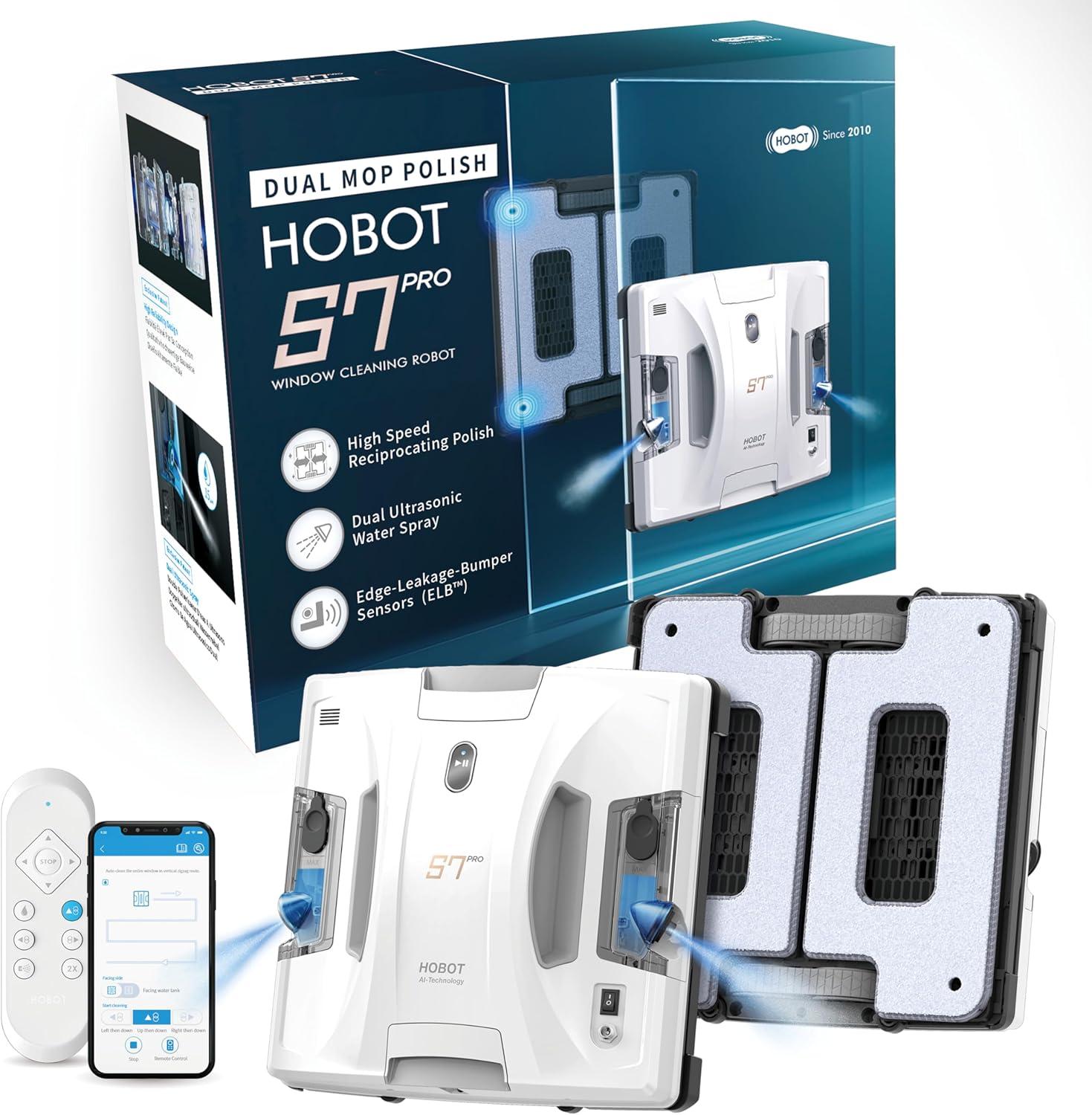
During initial setup you interact with a small set of physical controls, a compact remote and the smartphone app; each medium communicates slightly differently. When you press the power button the unit emits a short tone and its status LED begins a slow pulse, then a different, quicker blink when it’s ready for pairing. Holding the Wi‑Fi/pairing button puts the robot into network-discovery mode and the remote’s Start/Stop button mirrors the same basic commands you see in the app.In the app the sequence unfolds as a series of plain prompts with simple icons — such as, prompts to connect your phone to the robot’s temporary network, enter your home Wi‑Fi password, confirm that the safety rope is attached, and confirm that the cleaning pads are in place. You’ll also see on‑screen notifications if a firmware update is detected; those are presented as a single progress bar with a confirmation button rather than a long checklist.
The audible and on‑screen signals work together during those first minutes: short beeps mark button presses, a distinct chime indicates successful pairing, and a sustained tone signals an error or loss of suction. The app also uses brief voice-style text prompts (displayed visually) to remind you about safety steps and to request confirmations; those messages tend to be concise rather than detailed. Below is a compact reference of what you’re likely to hear and when it typically appears. Note: the app may additionally request a quick confirmation that pads or tanks are fitted before first run — presented as a single tap on the confirmation dialog rather than a multi‑step procedure.
| Auditory cue | When it occurs |
|---|---|
| Single short beep | Power on / button press acknowledged |
| Two rising chimes | Pairing or network connection success |
| Continuous low tone | suction lost or abnormal condition |
| Long steady beep | Error requiring attention before start |
Where it sits on framed versus frameless panes and the footprint it claims in your space
When you place the robot on a framed window it tends to sit visually centered on the flat glass area, with the frame creating a narrow, visible margin the device does not cross. That margin can leave a thin strip close to the frame where the cloths don’t make full contact, and you’ll notice the unit pausing or reversing as it approaches the border. On frameless panes the unit sits flatter and closer to the glass edge, making the cleaned area look more continuous; the edge-detection behavior becomes part of the rhythm of use rather than an interruption.
| Pane type | Edge proximity observed | Typical interaction |
|---|---|---|
| framed | Small unclean strip near frame | Stops/turns back before frame; you often reposition for corners |
| Frameless | Cleaner-to-edge appearance | Runs closer to margins; occasional reversal only at true edges |
The footprint it claims in your space shows up in two ways: on the glass itself and around the window sill. On the pane it’s a moving square that occupies the central cleaning field while it works, so visually it becomes the focal point for the time it’s running. Around the window you’ll find the power cord and safety rope crossing or draping along the sill and sometimes into the room, and you’ll habitually make room for a spot where you set the machine down between panes. Small, practical habits emerge — keeping a clear “starting spot” on the sill, parking a towel or tray for the unit to rest on, and having quick access to replacement cloths — and those touchpoints are the physical footprint the device leaves in day-to-day use.
- Starting spot — where you place the unit before it climbs the glass
- Cord and tether — how they lay across the sill or window frame during operation
- Landing area — the short-term space you use to swap pads or pause between panes
How the S7 Pro lines up with your expectations and the practical limits you’re likely to meet
In everyday use the S7 Pro tends to match headline expectations when it has room to work: on large, uninterrupted panes the unit usually runs a steady cycle, adheres without fuss and often leaves a visibly improved finish after one or two passes. In lived experience, however, that smooth outcome comes with predictable limits. Narrow frames,door handles that intrude over glass,and tight corners commonly interrupt a single-cycle clean,producing a pattern of short runs and manual repositioning. Heavily soiled glass or stubborn mineral deposits also invite repeat passes or spot-wiping rather than a perfect one-and-done result. noise and the need for a tether or power lead are noticeable during operation and become part of the routine rather than exceptions; similarly, the anti-fall systems and sensors generally prevent major slips but can react conservatively around complex window fittings, which slows progress.
- Repositioning: frequent on multi-pane façades and small residential windows.
- Pad and tank attention: cloths are swapped or rinsed between very dirty sections, and spray reservoirs are refilled in longer sessions.
- Edge behavior: sensor-driven reversals keep the device safe but sometimes leave narrow margins untreated.
| Typical window scenario | Practical behaviour to expect |
|---|---|
| Large, uninterrupted panes | Efficient continuous runs with fewer resets; better first-pass coverage. |
| Multiple small panes or divided frames | Frequent stopping and manual repositioning; time savings diminish. |
| Very dirty or mineral-stained glass | Often requires multiple passes or manual touch-ups; not always streak-free on first run. |
Maintenance shows up as an ongoing, low-effort habit rather than a one-off task: pads are inspected and refreshed during longer cleaning sessions, and the cord/tether decisions influence where and how often the unit is redeployed. firmware updates and app prompts occasionally appear, altering behaviour in subtle ways between uses; those updates can improve pathing over time but don’t eliminate the basic trade-offs between reach, repeat passes, and spot-cleaning. For full listing details and the complete specifications,see the product page here.
One cleaning session observed: streak patterns, mop movement and the routines you find yourself following
In one cleaning session you quickly start noticing the kinds of streak patterns that form as the device works across the glass. Thin, parallel lines appear where the mop pads trace their back-and-forth path; they’re most visible at glancing light angles and tend to soften as the robot overlaps its next pass. Where a pad catches more grime you’ll see darker, slightly smeared bands that fade after a subsequent pass, and a faint halo can form around areas where the spray pools briefly before the mops move on. Corners and the very edges near frames often look a little different — the motion there becomes shorter and less effective, leaving a narrow line of unprocessed residue that you notice more than the open center of the pane. Watching the mop movement, you’ll see rapid, short strokes that alternate directions and slightly stagger from side to side; the dual pads don’t glide like a single squeegee but rather interleave strokes, which creates a textured finish rather than one continuous wipe.
You develop a small set of routines as the session goes on,partly out of habit and partly because those visual cues prompt simple interventions. If a smear appears you tend to run an extra wet pass and then a dry polish, or pause to give the pads a quick inspection; when pads look saturated you often swap or pat them dry before restarting. You also keep a microfiber cloth nearby for the narrow edge lines and any stray spots the robot can’t reach, and you’ll pick the device up between small, separated panes instead of letting it attempt every frame-to-frame transition. A few ordinary cues guide you: the way streaks align tells you whether to repeat a pass, a change in the motor sound can mean a pad is loaded with dirt, and concentrated wet rings signal a need to check the spray or pad placement. These habits feel more like tinkering while it runs than formal maintenance — small, situational adjustments that become part of the cleaning rhythm.

How It Settles Into Regular Use
After a few weeks with the HOBOT S7 Pro you stop noticing it as a gadget and start noticing the small ways it meets the apartment — how it tucks against the sill, hesitates at framed edges, or leaves the faintest polish on older panes that ask for an extra pass. In daily routines it finds a habitual place on a narrow shelf and shows up on wetter mornings or after dusty weekends, more companion than chore in the rhythms of the home.The glass takes on those softer, lived-in marks over time, and the robot’s presence becomes part of the view rather than something new. You find it settles into routine.
As an Amazon Associate I earn from qualifying purchases. Amazon and the Amazon logo are trademarks of Amazon.com, Inc, or its affiliates. All images belong to Amazon