Some mornings you brew a full pot only to find the last cup lukewarm, or you’re tired of replacing fragile glass carafes—those everyday annoyances push you to look for a sturdier option. You might reach for the Frieling Double-Walled Stainless-Steel French Press Coffee Maker, Polished, 36 Ounces when what you need is better heat retention, fewer grounds in the cup, and easy cleanup. From hands-on use you’ll notice the reassuring weight and double-wall insulation that keeps coffee warm for longer,plus a tight mesh system that cuts down on sediment. In this review I’ll explain how it performs in real routines—slow-morning sips, serving a few guests, or taking coffee out where glass isn’t practical.
Your first look and general overview
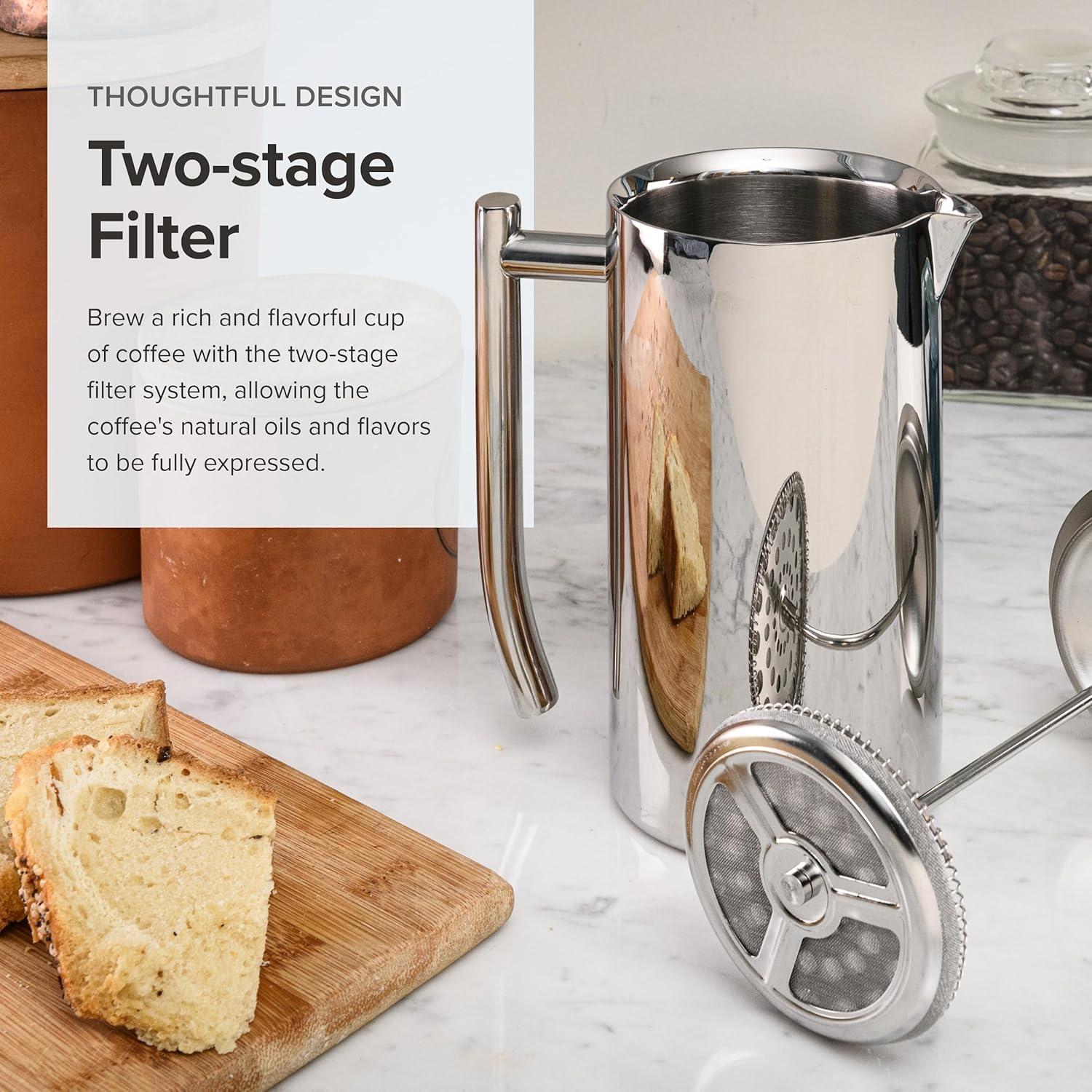
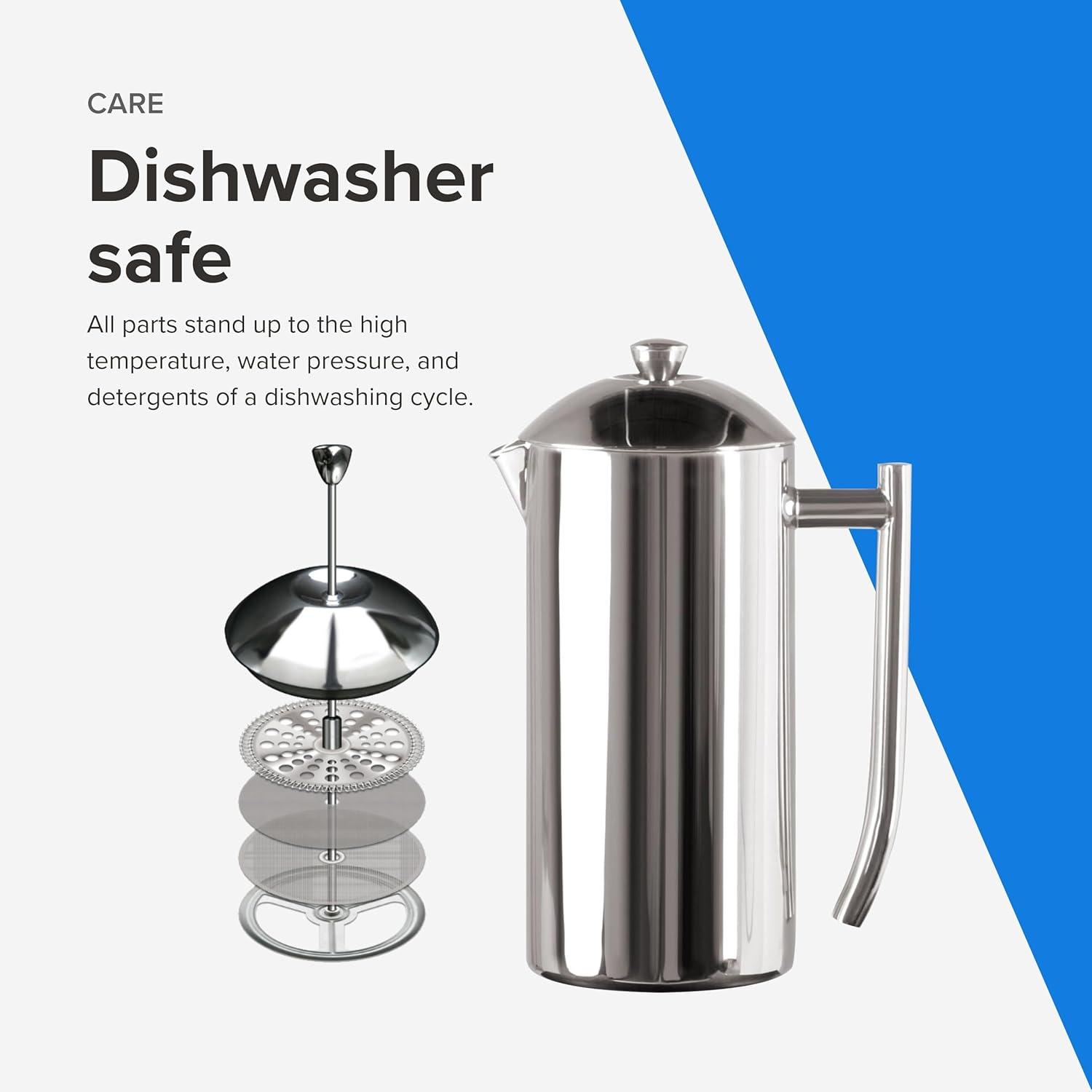
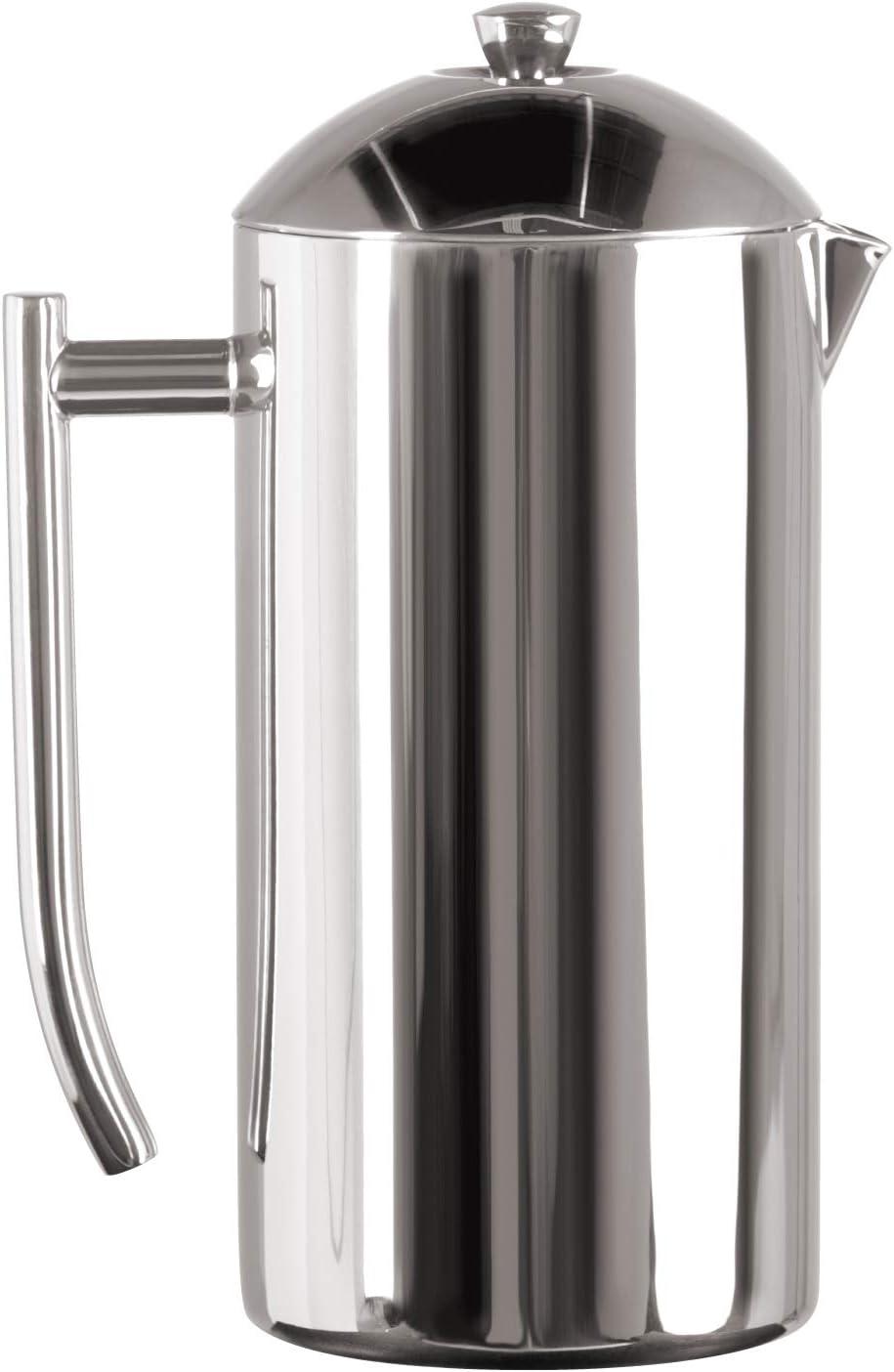
when you first pick it up you notice the weight and the mirror finish — it feels like a purpose-built kitchen tool rather than a delicate carafe. The double-wall stainless construction keeps the outside cool and the coffee warm for longer than a single-wall glass press, and the robust plunger and dual-screen assembly usually do a solid job at reducing sediment (but a coarser grind and careful pouring still help). Cleaning is straightforward because the screen unscrews and the unit disassembles easily; expect the polished exterior to show fingerprints and occasional water spots, and remember that practical usable volume is often a little less than the labeled number when you account for bloom and the plunger depth.
| Quick fact | What to expect |
|---|---|
| Labelled capacity | 36 oz — usable ~30–33 oz |
| Heat retention | Comfortable for ~45–60 minutes |
| Maintenance | Dishwasher-safe; screen unscrews |
Who this is best for
- you want a nearly unbreakable press that can handle everyday knocks and won’t force you to replace a glass beaker.
- You like to sip slowly and appreciate a pot that keeps your coffee warm without constant reheating.
- You’re willing to pay more up front for build quality and longevity rather than the cheapest option available.
There are trade-offs to weigh: a few users report occasional fine grit if the grind is too fine or the screen needs replacement, the lid can shift slightly while pouring unless you steady it, and the whole unit carries more heft than glass alternatives. If those trade-offs fit your habits, take a closer look: See current price on Amazon
How it performs for your brew strength and heat retention
You’ll notice right away that the double‑walled steel body behaves more like a small thermal carafe than a fragile glass beaker: brewed coffee stays usefully hot for the better part of an hour and, in many cases, up to two, so your last cup doesn’t feel like the sad end of breakfast. As the press uses a fine, dual‑screen system, sediment is much reduced compared with most single‑screen presses — but it isn’t magic. If you like a very bold, syrupy cup you’ll get it by using a slightly finer grind and a longer plunge, though that can increase extraction and astringency; if you want clarity and a cleaner finish, go coarser and be gentle on the plunger. Practical observations from real users that matter to you:
- Grind: medium‑coarse for best balance (no blade ground coffee).
- Steep: 4 minutes is the sweet spot for most tastes; extend only if you like it very strong.
- Plunge technique: steady, even pressure reduces splashes and keeps the lid from shifting while you pour.
- Don’t store brewed coffee here: the pot keeps heat but leaving coffee in the press can make it bitter over time.
| Target cup | Grind | Steep | after 1 hour |
|---|---|---|---|
| Mild / Clear | Coarse | 3–4 min | Warm |
| balanced | medium‑coarse | 4 min | Hot |
| Bold / Heavy | Medium | 4–5 min | Hot to very hot |
Expectation vs Reality: you can expect solid heat retention and less sediment than a glass press, but you still need to mind grind size and pouring technique to avoid stray grounds and bitterness. If you want to try it yourself, here’s a low‑pressure link to check current availability: See it on amazon
What using it daily feels like for you
When you reach for it each morning it feels like using a tool that was built to last: the body is reassuringly heavy,the handle sits comfortably in your hand,and the plunger has a firm,mechanical feel when you press down. The double-wall construction means you can sip over 30–45 minutes without reheating — coffee stays noticeably warmer than in a glass press — and the exterior stays cool enough to handle. In practice the filter does a very good job, but you’ll get the cleanest cup if you use a coarser burr grind and avoid overfilling the carafe; some users note a little sediment if the grind is too fine or the brew is stirred aggressively. Cleaning is straightforward: the screen unscrews for a quick scrub or pop in the dishwasher,and the mirror finish wipes up easily though it can show water spots if you don’t dry it.
- Daily tip: use a medium‑coarse grind and a gentle plunge to minimize fines in the cup.
- Usable capacity: expect slightly less than the stated fill line once you account for bloom and screen depth.
- Maintenance: keep the mesh assembly tightened and rinse after each use to avoid buildup.
Expectation vs Reality
You might expect zero compromise between heat retention and flavour — in reality you get long-lasting warmth and excellent build quality, with occasional minor tradeoffs: the lid can shift during a pour unless you steady it, and some reviewers find the price high up front but durable over years. Below is a quick reference for everyday use:
| Quick fact | What to expect |
|---|---|
| Brew time | About 4 minutes |
| Usable fill | ~30–33 oz |
| Heat retention | Warm for 1+ hour |
| Cleaning | Dishwasher safe / disassembles easily |
How the polished stainless steel design fits your kitchen and your cleaning routine
The mirror-polished stainless steel reads like a small piece of functional sculpture on your counter — it catches light and pairs well with both chrome and wood accents, but it will also show fingerprints and water spots faster than a brushed finish. As the carafe is double‑walled 18/10 steel, your brew stays hot longer than in a glass beaker, so you can move slowly through your morning without reheating. Expect the unit to feel noticeably heavier than glass presses; that solidity means less worry about breakage but more careful handling when you rinse it at the sink. Functionally,the plunger and dual‑screen system disassemble for cleaning and most users run it on the dishwasher’s top or bottom rack,yet you’ll frequently enough find a quick hand rinse plus a short scrub of the mesh is faster and prevents trapped grounds from building up.
- Quick cleaning habit: rinse, unscrew the screen assembly, shake out grounds, and either hand‑wash or place the parts on the top rack.
- Counter care: keep a microfiber cloth nearby — a quick wipe restores the shine without harsh cleaners.
- Pouring note: pour slowly to avoid the lid nudging forward; a few users found the lid can shift unless you steady it while pouring.
| Spec | typical |
|---|---|
| Height | 10 in |
| Diameter (body) | 4 in |
| Usable capacity | 32–34 oz |
Who This Is Best For
- You want a durable, countertop‑worthy press that keeps coffee warm for an extended breakfast or small gathering.
- Skip it if you need the lightest possible travel option or prefer a no‑fuss glass carafe that shows less surface spotting.
How you set it up and dial in your best cup
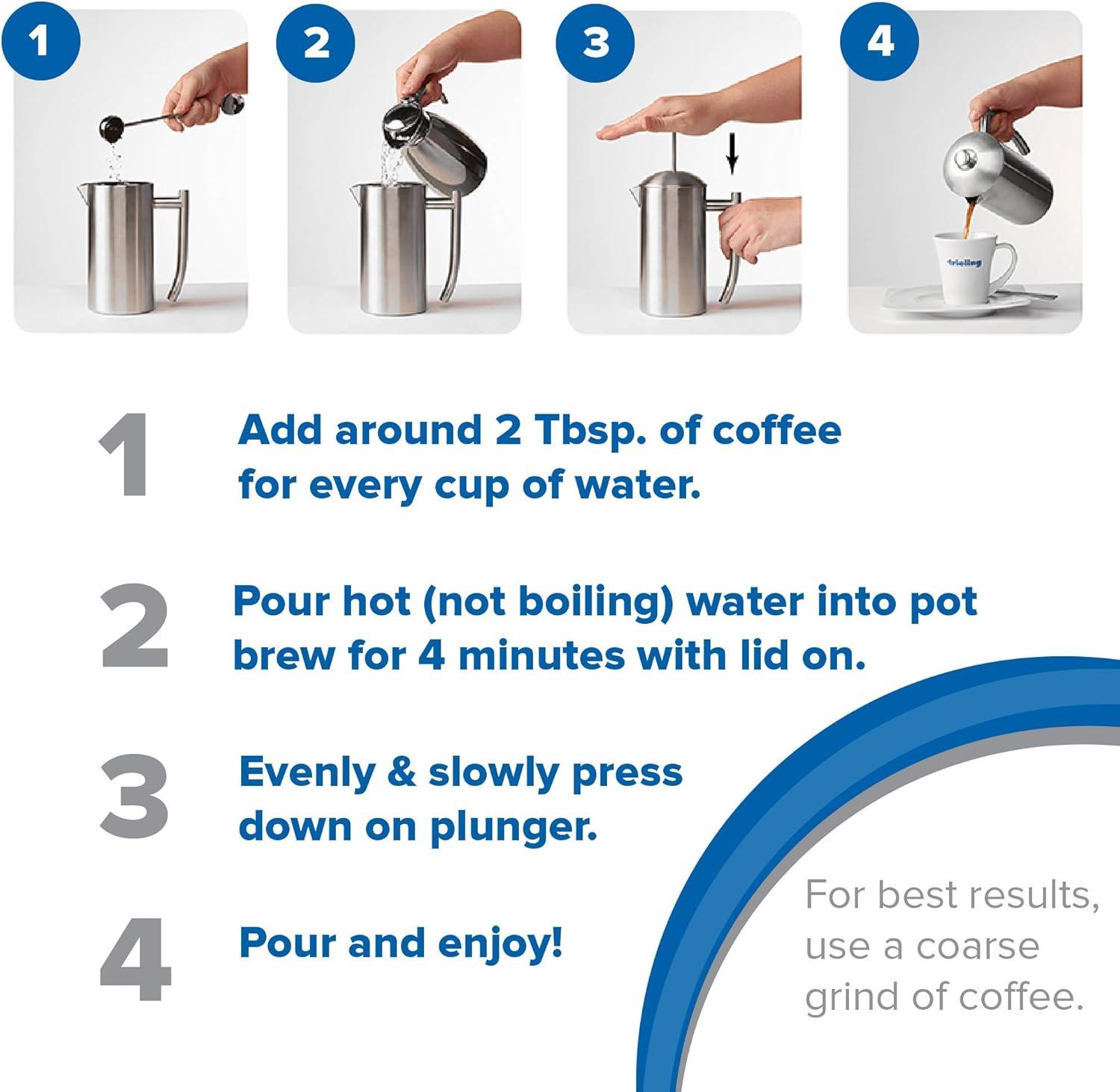
You set it up like any good French press but with a few practical adjustments that take advantage of the stainless steel build: use a medium‑coarse to coarse burr grind (think sea‑salt texture), weigh or scoop about 1 part coffee to 15 parts water, and bring water to just off boil (around 200–205°F) before pouring. Because the carafe is double‑walled and the usable volume can be a little less than the stamped capacity, don’t overfill — aim for about 28–30 oz if you want comfortable stirring and lid placement. After pouring, give a gentle stir to saturate the grounds, sit for four minutes, then press slowly with even pressure; a firm, steady descent reduces splash and keeps the plunger from jamming. If you notice a metallic clunk or the lid shifting while pouring,a thin split washer on the rod (a common user fix) holds the lid in place without changing the operation. practical cleaning is straightforward: the screen unscrews for rinsing, and the whole assembly is dishwasher‑safe, though a quick hand rinse after each use keeps oils from building up faster than a deep clean schedule.
To dial it in, tweak one variable at a time — coarsen the grind if you get grit, shorten the steep by 30 seconds if it tastes heavy or bitter, or add a touch more coffee if it truly seems weak.Small changes make predictable differences: coarser grind → less sediment, longer steep → more body and more extraction. The two‑stage filter and tight screen usually cut down on fines,but if you still see grounds,confirm you’re using a burr grinder and try a slightly courser setting before assuming a hardware fault. A few quick reference points are below to keep in your routine:
| Parameter | Quick Target |
|---|---|
| Ratio | 1:15 (coffee:water) |
| Grind | Coarse / sea‑salt |
| Water temp | 200–205°F |
| Steep time | 4 minutes |
Who this is best for
- Someone who values a warm carafe and long‑lived hardware over a bargain glass press.
- users willing to tune grind and technique (or buy a burr grinder) to eliminate any residual fines.
What you can expect from durability and long term maintenance
You’ll find the core of its longevity comes from simple materials and straightforward engineering: heavy 18/10 stainless steel, a double‑wall carafe and a robust plunger assembly that’s built more like a tool than a delicate kitchen ornament. In everyday use that translates to resistance to drops and knocks that would shatter a glass beaker, steady thermal performance (coffee stays near‑hot for an hour or more), and a mechanism that won’t fatigue after hundreds of presses. Be realistic: cosmetic dings or surface spotting can appear on the polished exterior over time, and a few owners have reported a washer or lid‑fit issue after prolonged use — but those are repairable parts, and replacement screens and small components are available if you ever need them.
Maintenance is low‑effort but deliberate. The filter assembly unscrews for deeper cleaning, the unit is dishwasher‑safe (top rack), and a quick rinse after each use prevents grounds build‑up and stale oils. Small practical tips that will extend service life: avoid leaving brewed coffee in the pot for long periods (it will grow bitter), hand‑dry the exterior to limit water spots on the mirror finish, and use a coarser grind to reduce pressure on the mesh.
- Daily: rinse and discard grounds.
- Weekly: unscrew and wash the filter components.
- Long term: expect to replace screens only after years of heavy use if at all.
| Task | How often |
|---|---|
| Rinse carafe | After each use |
| Disassemble & deep clean | Weekly |
| Inspect/replace mesh filter | Every 3–10 years (use dependent) |
| Polish exterior | As needed to remove spots |
Expectation vs Reality: expect a nearly indestructible, heat‑retaining brewer that requires only routine cleaning; in reality you may encounter minor fiddly issues (a lid that can clunk while pouring, or rare loose washers) and occasional user‑caused sediment if grind or technique aren’t adjusted. If you keep up the simple maintenance above, it’s the kind of kitchen piece that will quietly outlast many alternatives.
See current price and reviews
Limitations you should weigh before buying
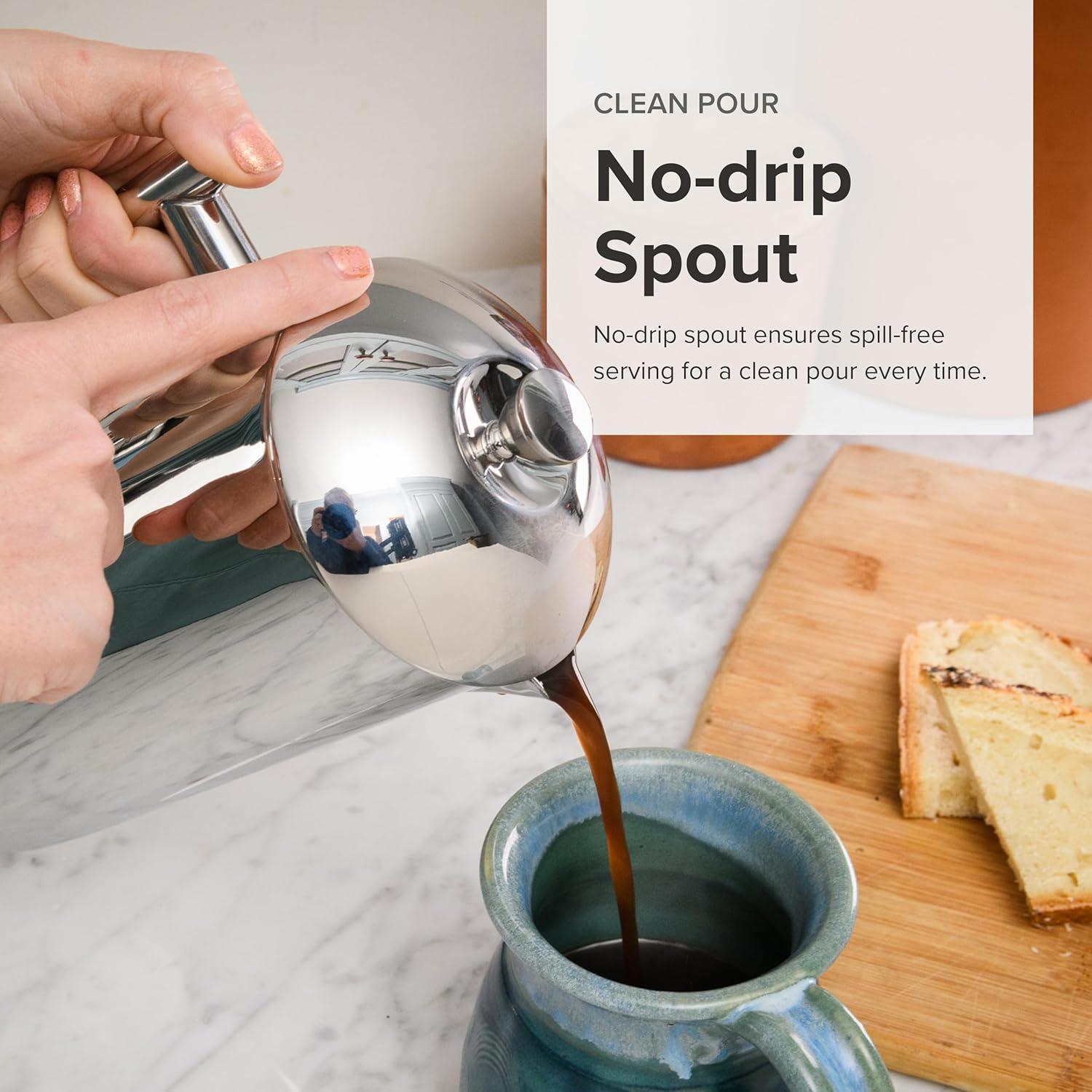
You’ll get excellent heat retention and a rugged build, but there are a few practical trade‑offs to mind before you buy. It’s noticeably heavier and more expensive than basic glass presses, so handling and storage feel diffrent; the plunger can be stiff at first and pressing firmly may cause a little spill if you’re not steady. The lid can slip forward slightly while pouring (many owners solved this with a small washer), and while the dual‑screen system reduces sediment a lot, achieving a grind‑free cup still depends on grind coarseness and technique. the polished exterior looks great but can show water spots and fingerprints more readily than a brushed finish.
Quick limitation snapshot
- Price: higher than entry‑level presses
- Weight & handling: heavy when full; firmer press required
- Usable capacity: slightly less than the labeled fill once you account for bloom and filter depth
- Finish care: mirror surface needs occasional wiping
| Typical note | Expectation |
|---|---|
| Usable fill | ≈30 oz (not full 36 oz) |
| Dishwasher | Top & bottom racks OK |
| Sediment | Low if grind is coarse |
Who This Is Best For / Who Should Skip It
- best for you if you value heat retention, durability, and a metal carafe that won’t break.
- Skip it if you need a lightweight travel brewer, want the cheapest option, or prefer a totally hands‑off drip machine.
Check current price and availability
Pros & Cons — what you’ll gain (and what to watch for)
Pros
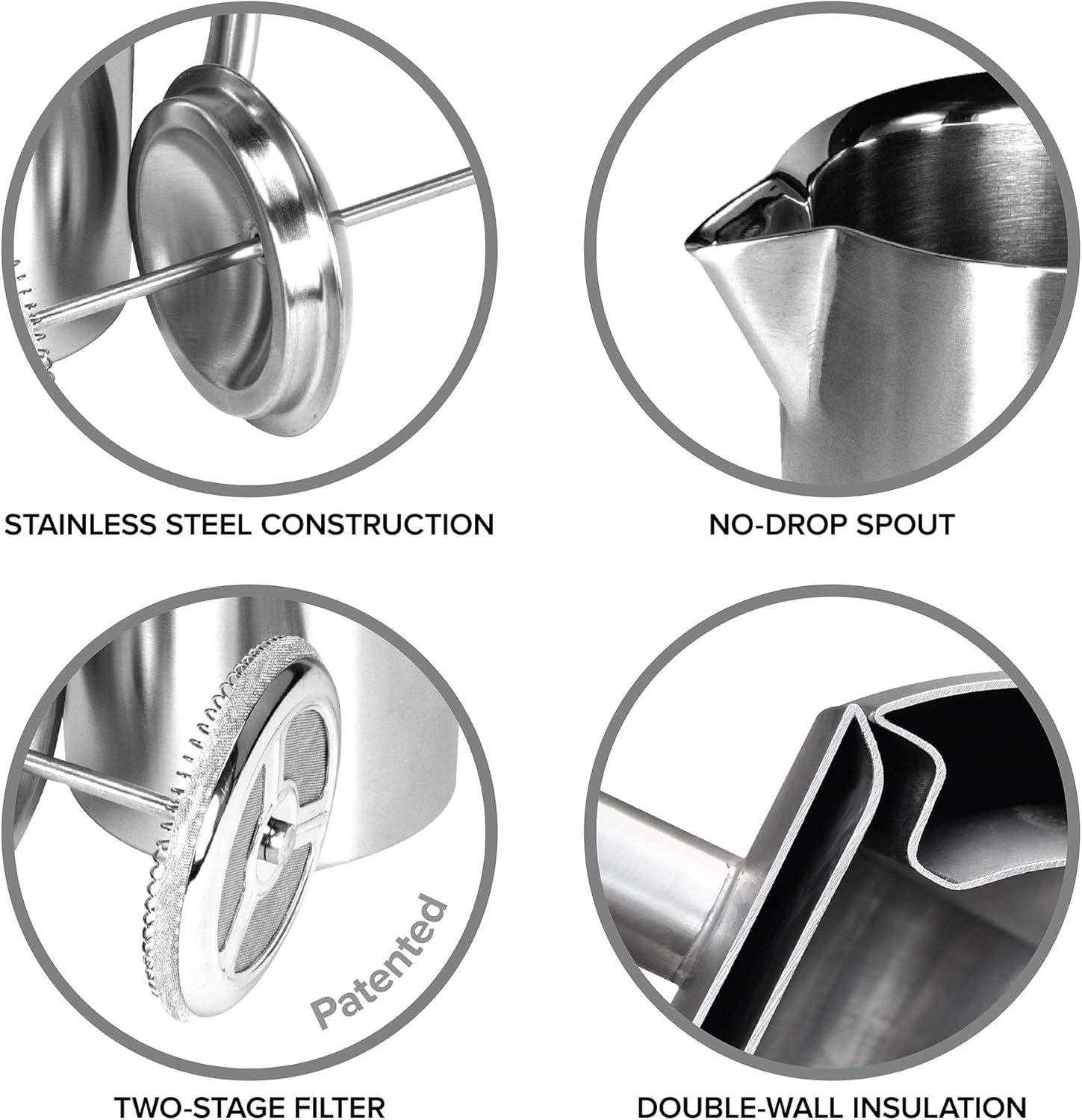
- Extremely durable, long-lived construction. the 18/10 double‑wall stainless steel feels “built like a tank” — you’re replacing fragile glass presses with something that will survive bumps, drops and daily use (backed by a multi‑year warranty).
- Keeps coffee hot for a long time. The insulated carafe preserves brew temperature far better than single‑wall glass; you can sip over 45–90 minutes without reheating in many real‑world use cases.
- Very effective filtration when used correctly. The patented dual‑screen (pre‑filter + super‑fine mesh) and the coil that presses the filter to the wall cut down on sediment compared with most glass presses — as long as you use a medium‑coarse burr grind.
- Cleanability and serviceability. The screen assembly unscrews for easy cleaning,parts are replaceable,and the stainless surfaces are dishwasher‑safe if you prefer convenience.
- Handsome, purposeful design. The polished finish, full‑length handle and weighty feel make it as much a countertop piece as a brewer; it doubles as an insulated serving pitcher.
Cons
- premium price. You’re paying for long‑term durability and performance; if you want the cheapest brew method, this is not it.
- Heavier and less portable. The metal construction and larger footprint make it impractical for travel, tight cupboards, or single‑cup, on‑the‑go brewing.
- Plunger tightness and occasional fiddliness. Some users report a snug plunger or extra force required when pressing — and the filter assembly can be tight to remove until it breaks in.
- Lid can shift during pouring. A minor but real annoyance: the lid may slip forward or clunk as you tip the pot.There are simple aftermarket fixes, but you may need to baby it while pouring or apply a small washer modification.
- Polished finish shows spots and fingerprints. the mirror exterior looks great but will need occasional polishing; if you want a lower‑maintenance surface, a brushed finish is preferable.
- Nominal capacity vs. usable volume. Because of bloom, stirring and screen depth, you’ll usually brew a bit less than the 36‑oz rating — plan on a reduced usable fill if you want a clean, no‑spill pour.
- Not a long‑term storage carafe. Although it holds heat,brewed coffee can grow bitter if left in contact with the grounds or stored too long in the press; best to decant into a thermal carafe if you won’t drink it right away.
| Feature | Quick takeaway |
|---|---|
| Capacity | 36 oz nominal; expect ~30–33 oz usable when brewing to avoid spill and excess sediment. |
| Heat retention | Much better than glass — often keeps drinks pleasantly hot for an hour or more. |
| Filtration | Patented dual screens reduce grinds,but results still depend on grind coarseness and technique. |
| Care & parts | Dishwasher‑safe,screen unscrews for cleaning,replacement parts available online. |
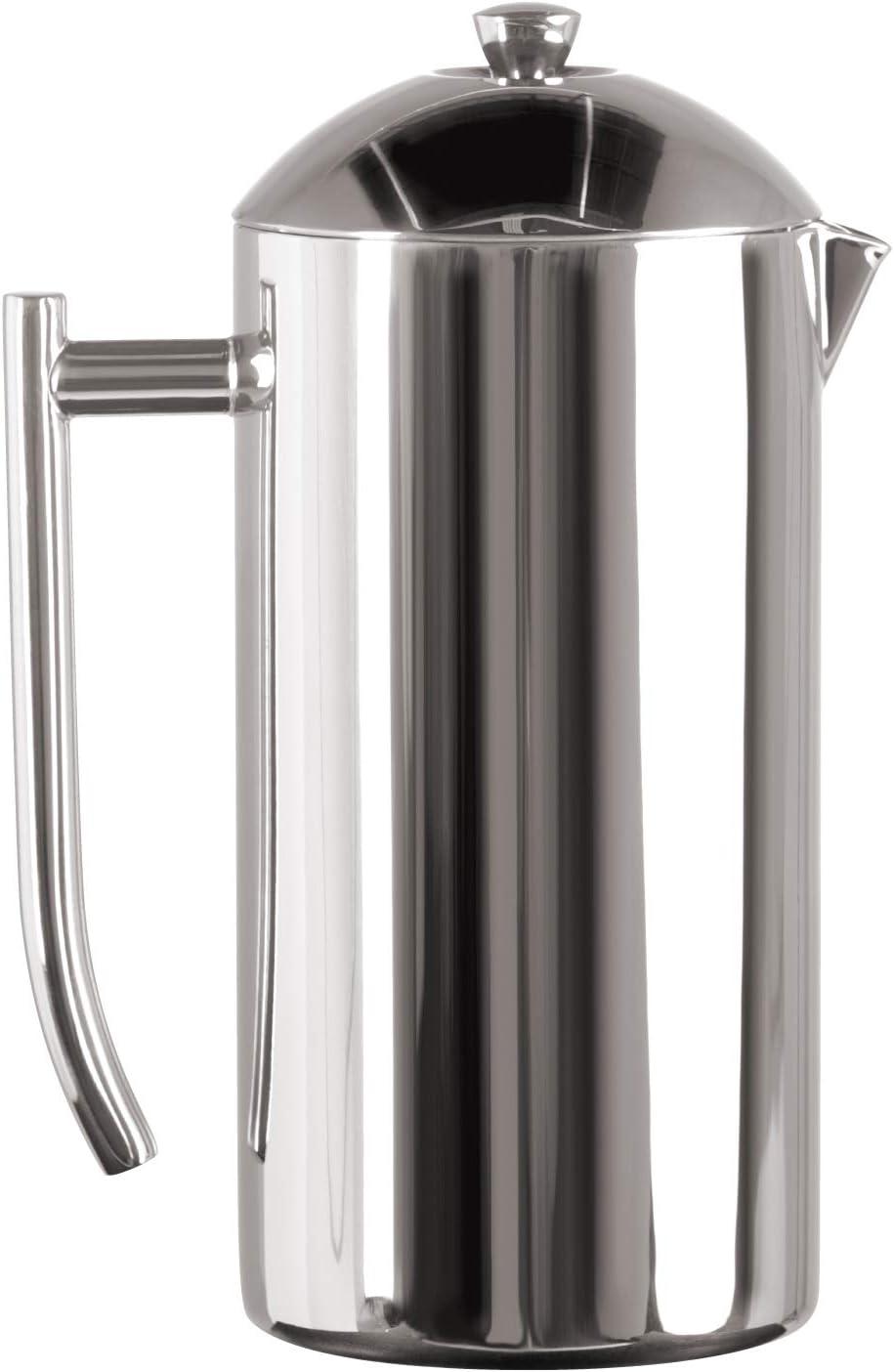
After living with the Frieling Double-Walled Stainless-Steel French Press Coffee Maker, Polished, 36 Ounces for a while, you’ll find it feels less like a novelty and more like a dependable part of your morning routine — solid, steady, and built to last. It makes the most sense for you if you value durability, a metal-bodied press that can handle regular use, and the ability to brew several cups at once without fuss. If you’re someone who prefers a lighter, more delicate aesthetic, single-serve convenience, or a fully automated machine that does everything for you, you might want to consider other options. Either way, this is the kind of purchase you’ll know quickly whether it fits your habits or not. If you’re curious to compare price and reviews before deciding,take a look here: see it on Amazon.
As an Amazon Associate I earn from qualifying purchases. Amazon and the Amazon logo are trademarks of Amazon.com, Inc, or its affiliates. All images belong to Amazon