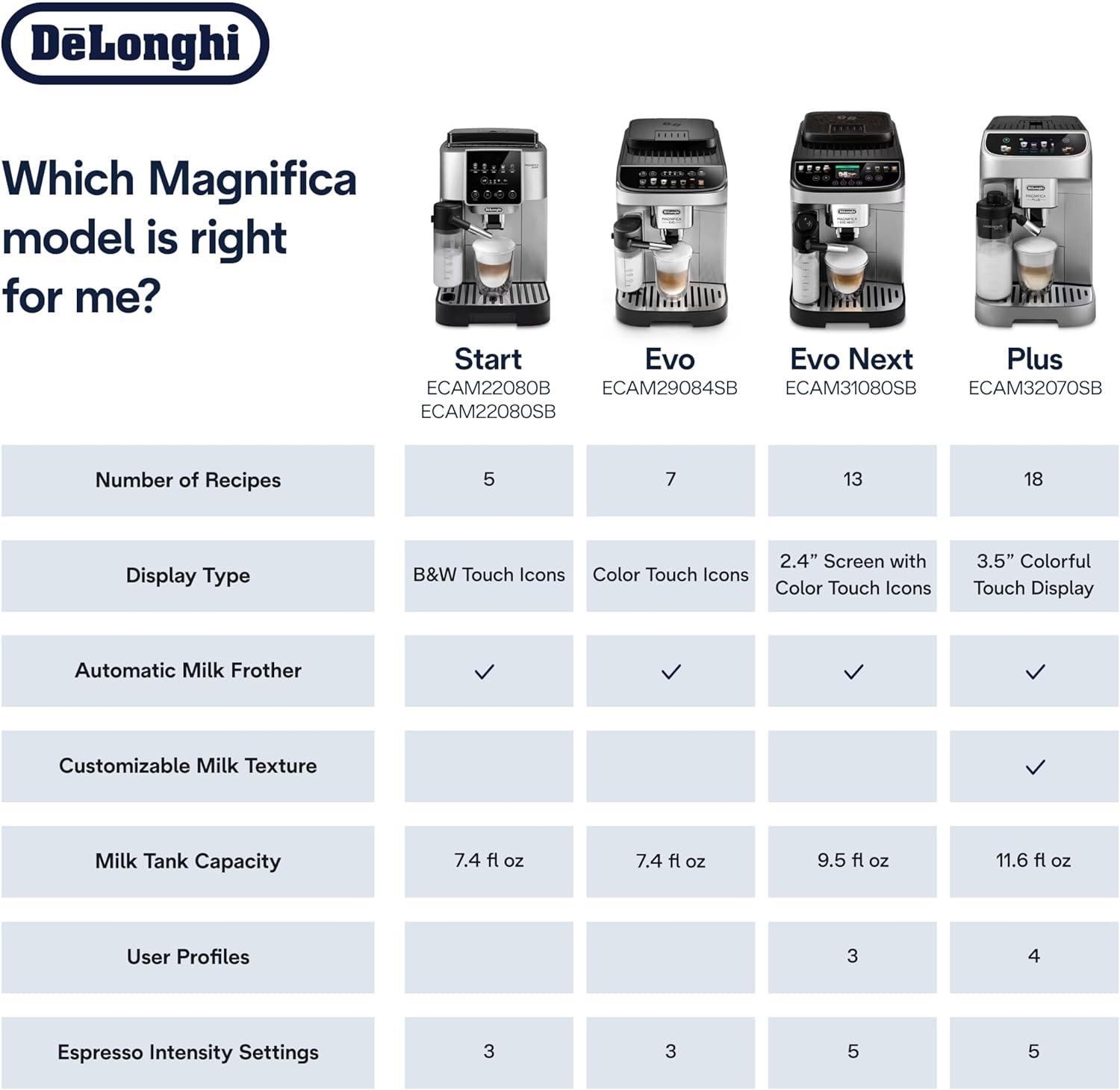
You nudge it and feel the weight—substantial without being unwieldy. Out of the box the De’Longhi Magnifica Evo, or simply the Evo, registers as a compact, brushed-silver presence: matte plastics meeting cool metal in a visually balanced silhouette. Your fingers find a fine texture on the top panel; the bean-hopper lid snaps with a soft click and the grinder answers with a low, grainy whir when you power it up. Soft beeps and a measured exhale of steam round out those first moments, the kind of details you notice while making your first cup.
What you notice first about the Magnifica Evo when it arrives in your kitchen
When you lift it out of the box the first thing that registers is its presence on the counter: a solid, slightly weighty appliance with a combination of metal-tone surfaces and darker plastic accents that catch the light differently depending on the angle.The front-facing control area is immediately readable from where you stand, and a row of buttons and a small display sit where you naturally reach. From across the kitchen you can already make out the bean-hopper lid at the top and the slope of the coffee spout at the front; the machine settles into place without needing elaborate juggling, though you do find yourself nudging it a little to line up with the nearest plug and leave room to slide out the water reservoir. There’s a faint factory smell the first time you power it up, and the overall build feels compact enough to coexist with other appliances while still asserting a clear countertop footprint.
Handling it for the first time quickly reveals the parts you’ll touch most often. The drip tray and front panel come out with a short, familiar tug; the water reservoir slides free from behind or to the side depending on how you positioned it. Buttons depress with a defined click, and the display lights up in a way that draws your eye to the basic settings. A few small cues stand out visually and physically, such as:
- Finish — mixed metal and plastic surfaces that show fingerprints differently
- Controls — reachable and legible from a typical standing position
- Access points — hopper lid, reservoir, and drip area are all within easy reach for routine handling
Those initial interactions tend to shape how you arrange the rest of your counter—moving it a few inches left or right, angling it for mug clearance, or keeping a cloth nearby for the small smudges that show up on the metallic parts. Routine tasks like emptying the tray or refilling water feel like they were considered in the layout, and that practical choreography becomes apparent within the first few minutes of unpacking and positioning the machine.
The physical feel and finish — metals, plastics and the sense of sturdiness under your hand
When you first set hands on the machine,the contrast between surfaces is immediately noticeable. The front fascia and drip-tray surround present a cooler, brushed-metal look that feels smooth under your palm, while the bulk of the casing is molded plastic with a slightly textured, matte finish. Buttons and the central touch area sit flush enough to read easily by fingertip; presses give a speedy, audible click rather than a soft, spongy response.Small seams where panels meet are tight in most places but can catch a fingertip around the service hatch and the bean hopper lid; the hopper lid itself feels denser and a touch stiffer when you open it, compared with the lighter plastic used elsewhere.
Daily handling of removable parts highlights those material differences in action: some pieces are reassuringly solid, others noticeably lightweight. In routine use you’ll find that
- Water tank — a translucent, gripped plastic that slides in and out with a two-handed lift for most people;
- Drip tray and grill — a low-mass plastic base with a metalized insert that resists bending when you set a cup down;
- Bean hopper — a firmer plastic with a weighted lid that takes a deliberate push to open;
- Milk container — light and easy to manoeuvre, with smooth surfaces that rinse clean during normal upkeep.
These tactile details influence how frequently enough you pause,adjust grip or re-seat a component during everyday routines,and they form the practical backdrop to cleaning and occasional quick checks rather than to any intensive maintenance task.
How you interact with it: the display, knobs and the small gestures of brewing
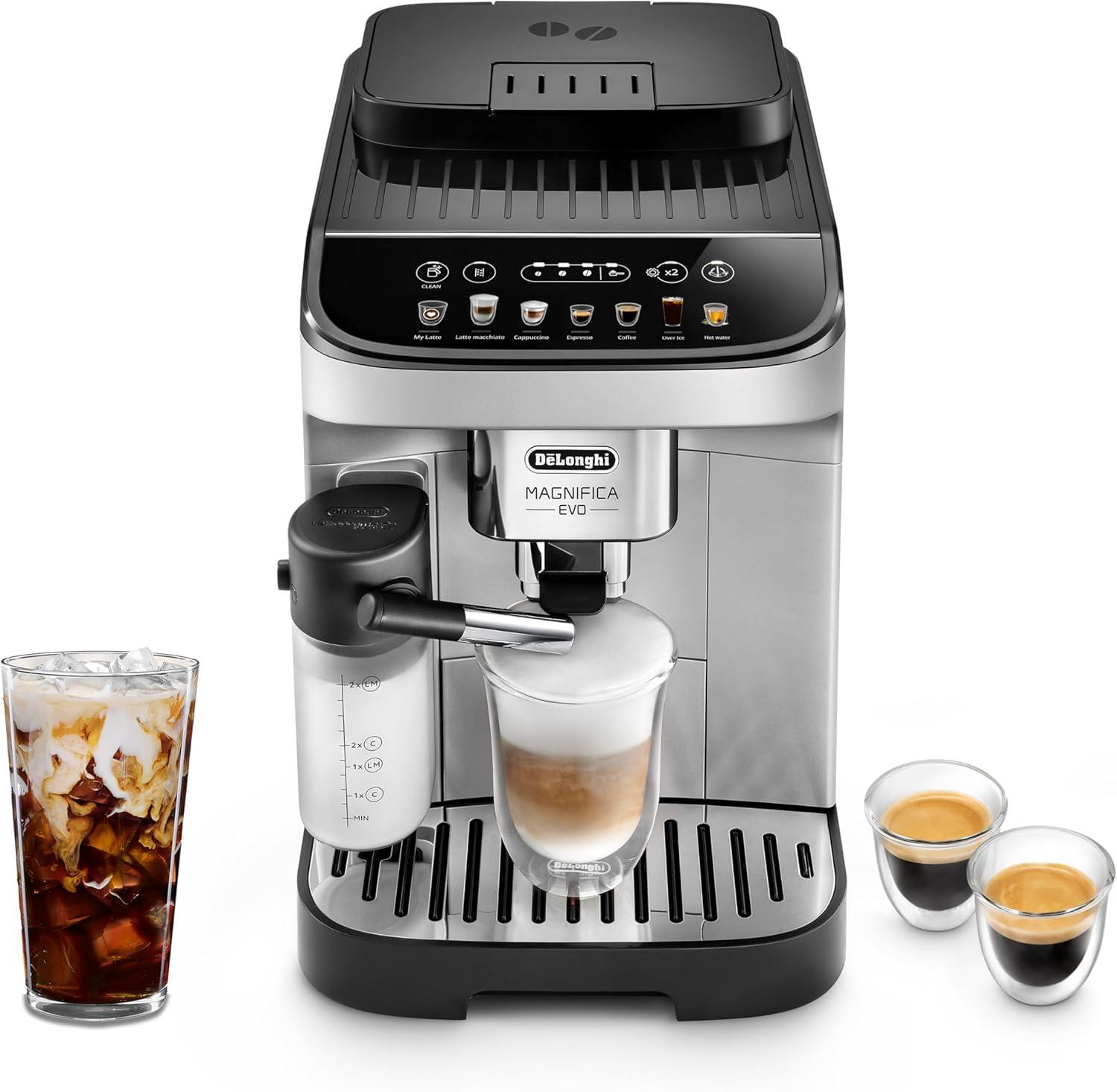
when you approach the machine the controls read like a small,familiar panel rather than a manual. A compact one‑touch display sits alongside a couple of tactile controls: a rotary dial for quick selections and a smaller knob for steam or manual adjustments. Icons and tiny status lights change as a sequence—selection, grinding, extraction—so you learn the rhythm by sight and sound. The buttons and dials give subtle, physical feedback; you press, you hear a soft click, you wait for the indicator to settle. In practice this means most choices are made with a single finger tap or a short turn of the dial, and the display confirms the step without a lot of menu diving.Occasionally you glance at temperature or level indicators, but most of the time the visual cues are enough to keep the flow moving.
Your routine becomes a series of small gestures: place the cup, nudge the spout to the right height, press the drink icon, pull the milk container a notch when frothing is called for. these actions tend to be quick and repeated — the same handful of moves you do without thinking on busy mornings. You’ll also find yourself doing little, habitual tidying as part of use: a quick wipe of the frothing nozzle after steaming, sliding out the drip tray to check the cup position, or pausing for a moment while the grinder finishes. The interaction feels like a short choreography of taps, twists and slides rather than a single complex operation.
- Tap the drink selection on the display
- Turn the dial to adjust manual settings
- Slide parts briefly into place for milk or cup positioning
Where it sits on your counter and what its footprint and height mean for your space

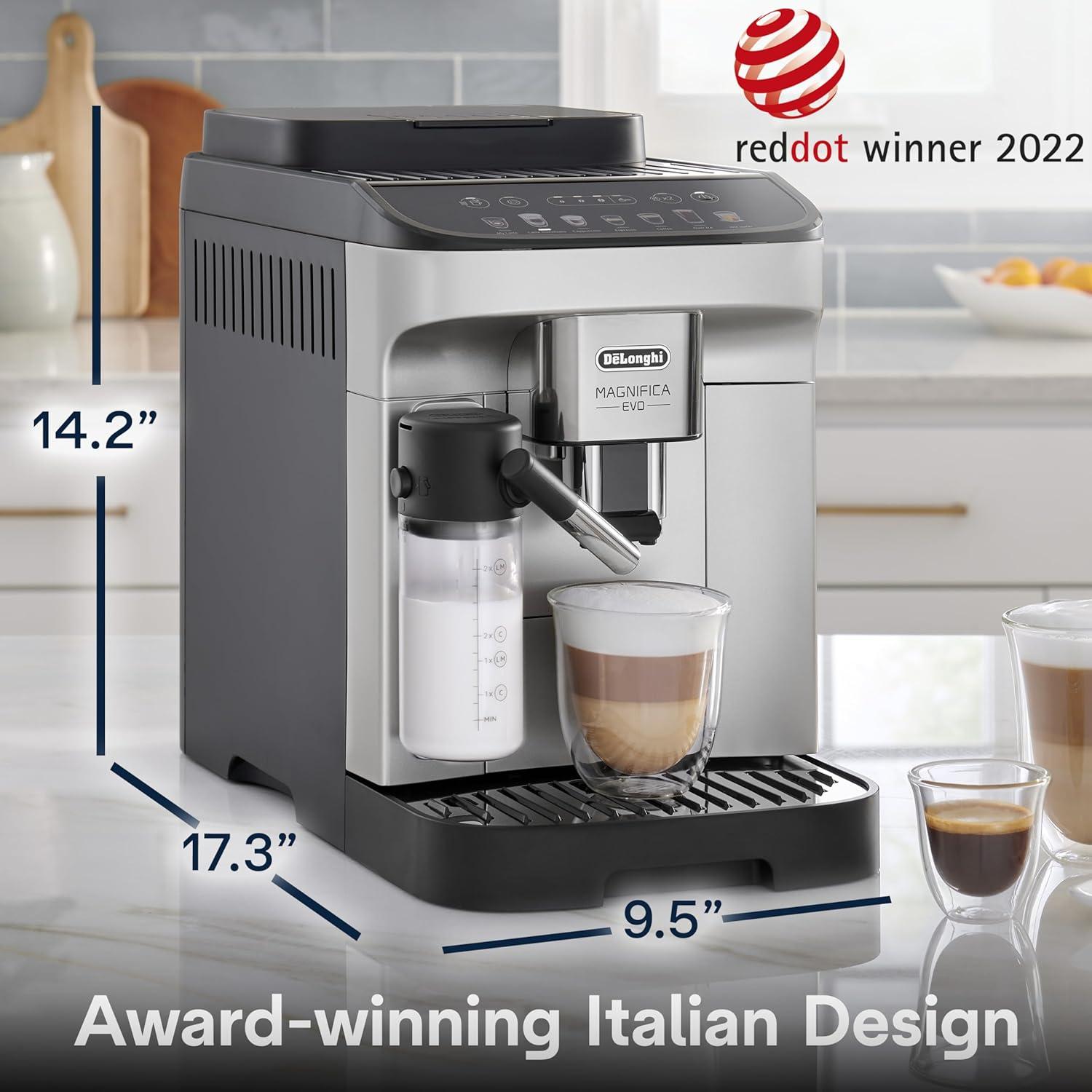
When you set the machine on your counter it reads as a compact presence rather than a surface-dominating appliance. The body sits with a fairly rectangular footprint so you’ll naturally line it up against the backsplash; in normal daily use that means you only need a little forward clearance to reach the drip tray and brew area. pay attention to how the top and back meet cabinets and outlets—you may find it convenient to leave a small gap behind for the power cord and to make it easier to slide the unit forward when emptying grounds or reaching the water reservoir. A few simple placement considerations you’ll notice in routine use:
- Front clearance — enough to pull the drip tray and place a cup without bumping adjacent items.
- Side clearance — room to remove the milk part or access controls without moving neighboring appliances.
- Vertical clearance — enough headroom to open lids or lift removable pieces straight up.
height becomes most relevant when you think about how you move around the counter during a morning routine. You’ll reach over it to place cups, reach for a milk pitcher, or pop out removable parts for a quick rinse, so both the visible top and the space above it shape those small, repeated motions. In most kitchens it settles into a clear working triangle with a coffee mug and sugar or milk nearby, but you might nudge it forward occasionally to empty or clean parts; that little shift is part of how it integrates into everyday habits. The table below summarizes the typical nearby actions and the kind of space you’ll tend to leave during regular use, rather than precise measurements, to give a practical sense of what fitting it in looks like:
| Nearby action | Typical space to allow |
|---|---|
| Removing drip tray or cup placement | Small forward clearance to pull components out easily |
| Accessing water reservoir or bean hopper | Room to slide the unit forward or lift lids straight up |
How the Magnifica Evo measures up to your expectations, where real‑world limitations appear, and the kinds of users it suits
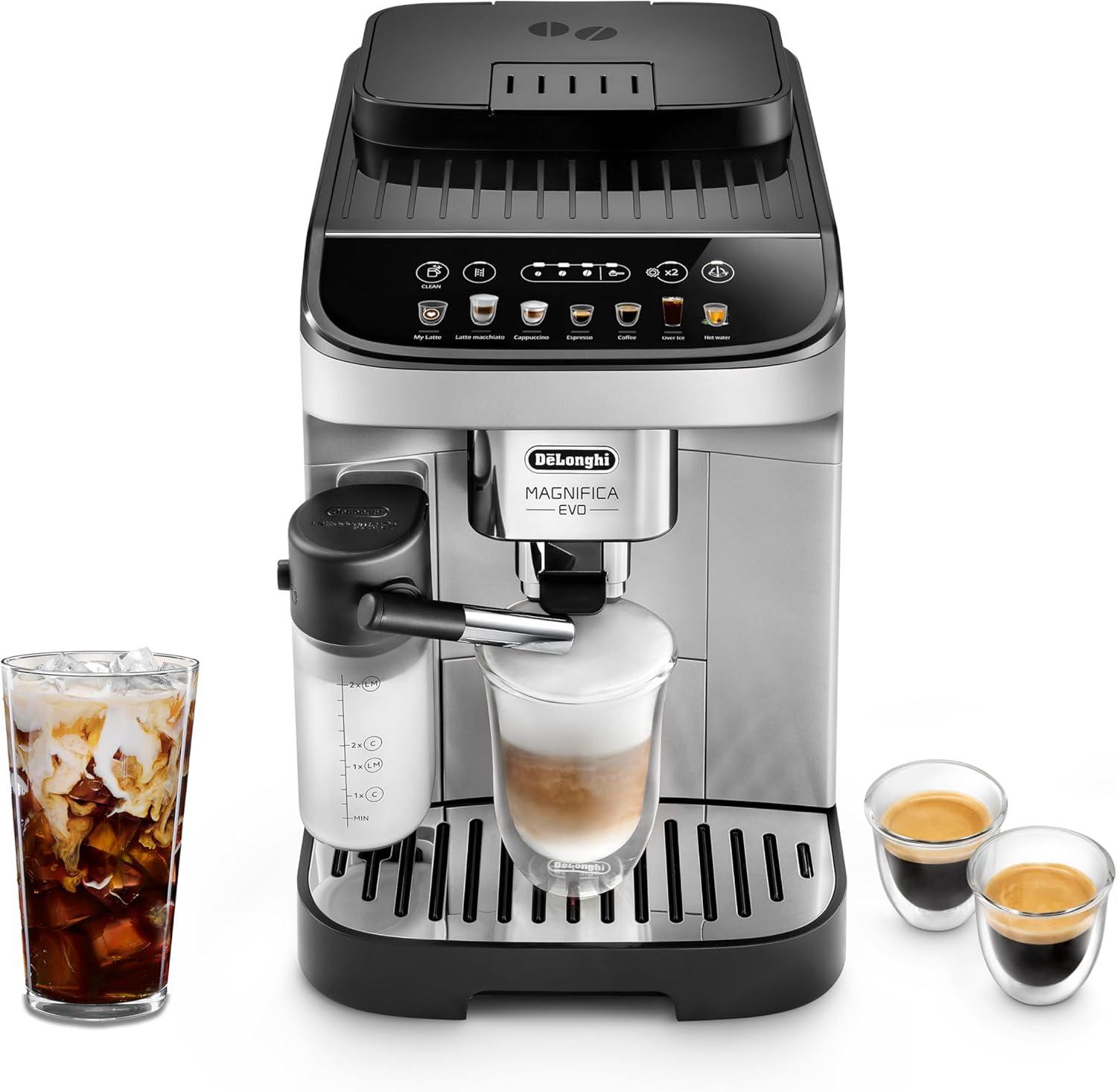
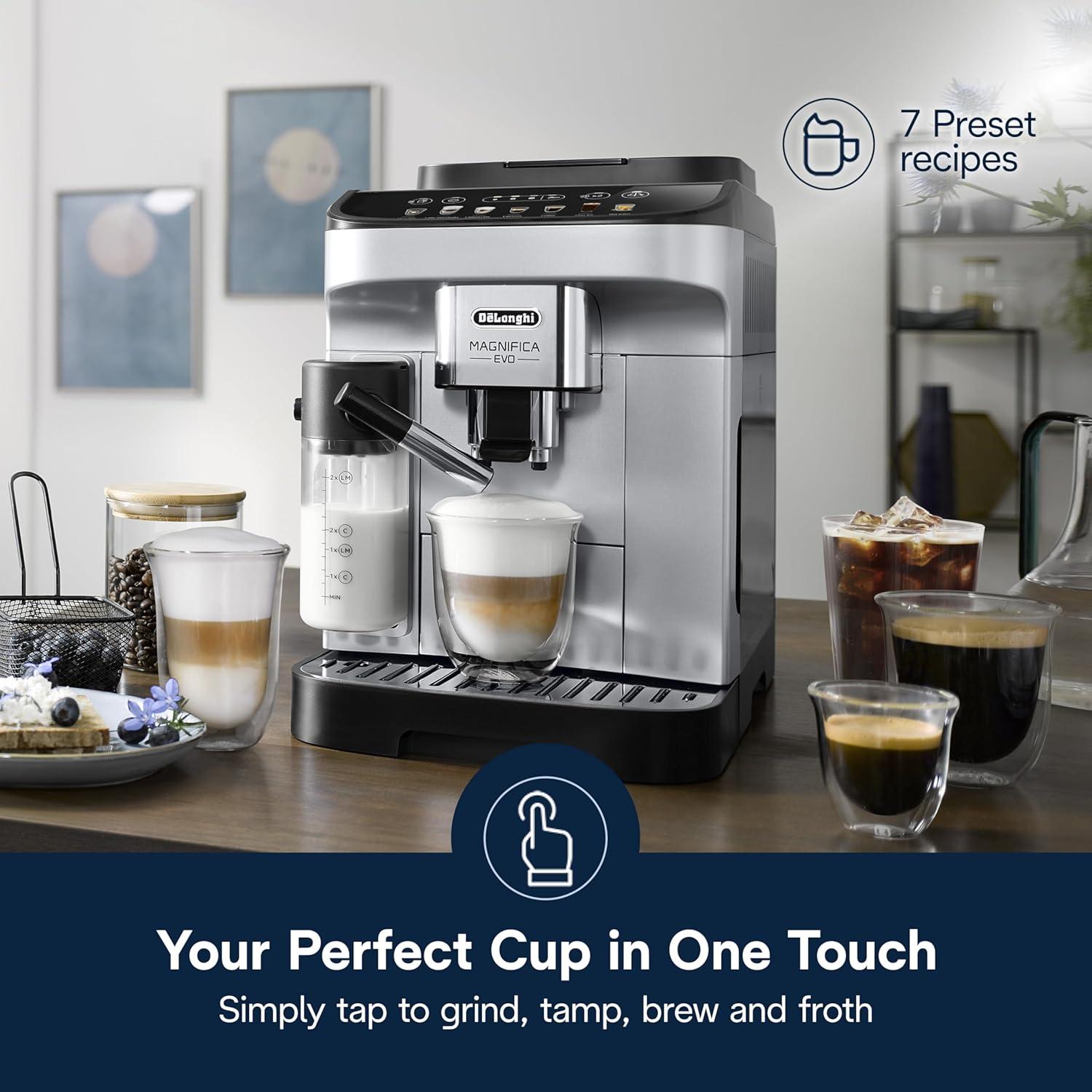
Everyday trade‑offs become apparent as the machine moves from staged demo to regular use.The one‑touch flow and built‑in grinder deliver reliably prompt beverages during weekday routines, and the preset drinks simplify repetitive mornings; at the same time, dialing in a specific grind‑to‑extraction balance or a particular milk texture often requires a few adjustments over several sessions, so initial expectations of “perfect” results straight away can be tempered by a short learning curve.The auto‑clean and removable milk elements reduce visible upkeep, though emptying spent pucks, topping up water and beans, and occasional descaling remain routine parts of ownership and show up as small, predictable interruptions to continuous use. Grinding and frothing moments are perceptible in an open kitchen—brief but audible—and they shape when and how the machine fits into household rhythms.
Real‑world limits tend to cluster around volume and control.In settings where many drinks are needed back‑to‑back, the hopper and reservoir require more frequent attention than in lighter use; likewise, the machine’s integrated, automated approach favors consistency over fine‑tuned manual experimentation, so users who expect to chase café‑grade micro‑adjustments may find the machine’s range somewhat constrained. Observed usage patterns suggest it commonly suits a few practical profiles:
- those who value quick, repeatable milk‑based drinks without separate steam wands;
- households that appreciate variety from presets and minor customization;
- small offices or shared kitchens where ease of use matters more than barista‑level tweaking.
See the full specifications and current listing for more technical details
Daily routines in practice — how you handle beans, milk and water refills plus the typical cleaning cycle
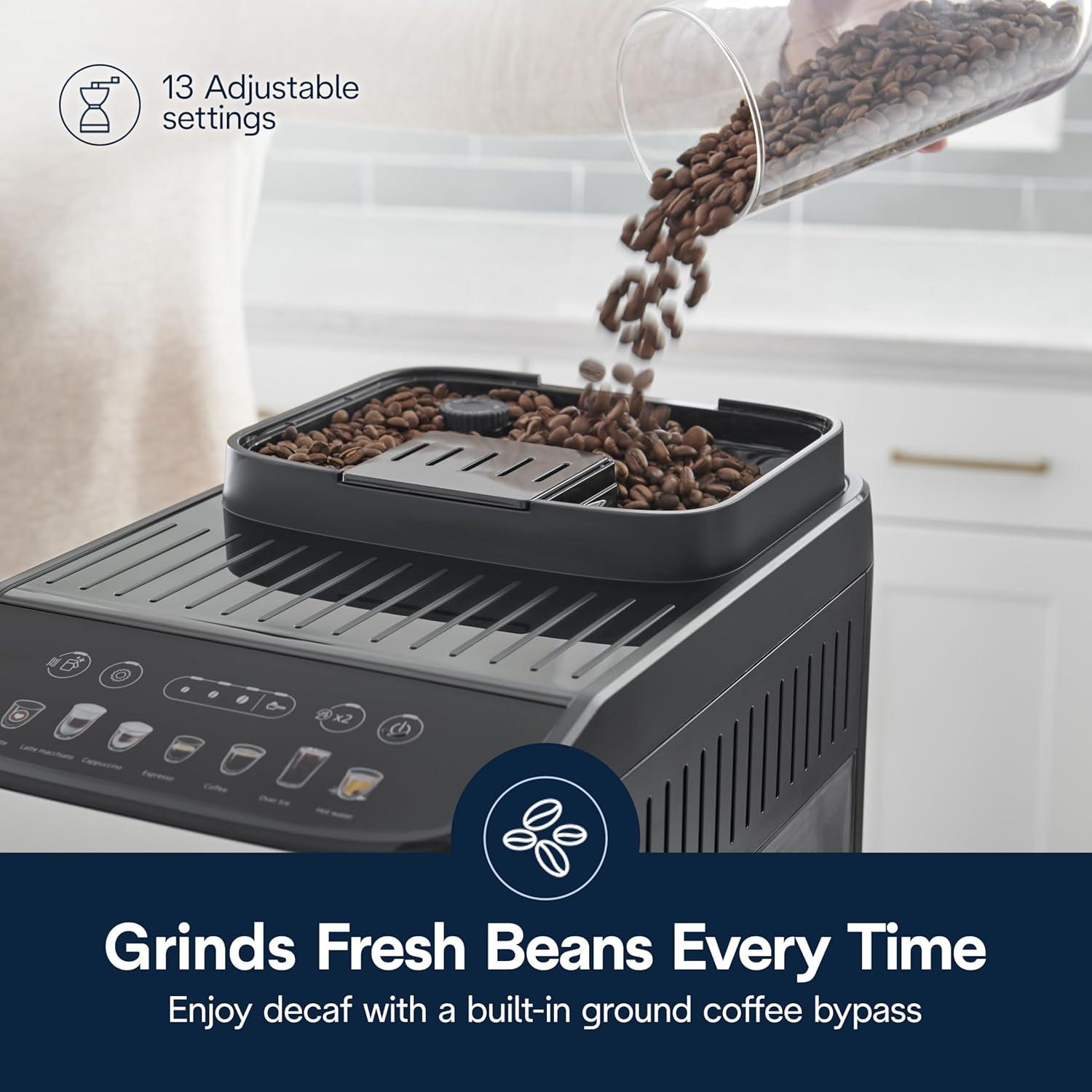
When you start your day with this machine, the routine quickly becomes tactile: you lift the hopper lid, glance at the remaining beans and pour in a small handful if it looks low, or leave it alone if you only plan one or two drinks. Humidity can make beans clump from time to time, so you may find yourself nudging them free with a quick shake rather than fiddling with settings. The water reservoir tends to be a frequent check — you top it up before the morning run and again later if you make several drinks,and occasionally you swap the water you left overnight for fresher tap water. A few practical habits settle in: keeping a cloth nearby for quick wipe-downs,paying attention to the fill indicators,and storing extra beans where they won’t pick up moisture. Beans, water and a ready milk supply are the three things you find yourself scanning for before you press a drink button.
Milk handling and the cleaning cycle fold into that same morning cadence. You usually pull the milk container from the fridge, attach it, and then let the machine run its rinse or short clean sequence after the last milk drink of the session; the auto-clean step that follows frothing shows up as part of normal use rather than a separate chore. The drip tray and used-puck container announce themselves by filling over a few days, so emptying them is a quick, familiar pause in the routine rather than a big task. In practice you end up with a predictable pattern of touchpoints that rarely takes more than a few minutes: top up beans and water in the morning, refill milk as needed, and clear the trays when they indicate fullness. The table below captures how often those touchpoints tend to occur in a typical week for average household use.
| Task | Typical frequency in use |
|---|---|
| Top up beans | Daily or every couple of days, depending on consumption |
| Refill water reservoir | Daily for regular use; more often with multiple drinks |
| Refill milk / store in fridge | As needed per session; milk container returned to fridge between uses |
| Empty drip tray & used-puck container | Several days to a week, depending on volume of drinks |
| Auto-clean / quick rinse after milk drinks | Automatically after milk-based beverages or at short intervals during use |
How It Settles Into Regular Use
Over time the De’Longhi Magnifica Evo Automatic Espresso & Coffee Machine with Auto Milk Frother, Built-in grinder & auto-Clean Function – for Latte, Cappuccino, Americano, Iced Coffee, ECAM29084SB , Silver becomes a quiet fixture on the counter and an anchor for small rituals. You notice where mugs are left,how the silver finish picks up a few faint marks and softens with use,and how the rhythm of steaming and grinding slips into the kitchen’s everyday sounds. in daily routines you reach for it almost without thinking and its presence subtly shapes how mornings and midafternoons unfold. It simply settles into your routine.
As an Amazon Associate I earn from qualifying purchases. Amazon and the Amazon logo are trademarks of Amazon.com, Inc, or its affiliates. All images belong to Amazon