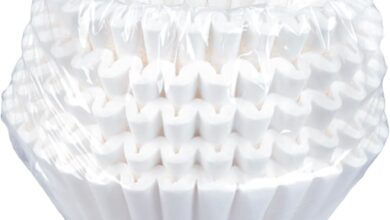
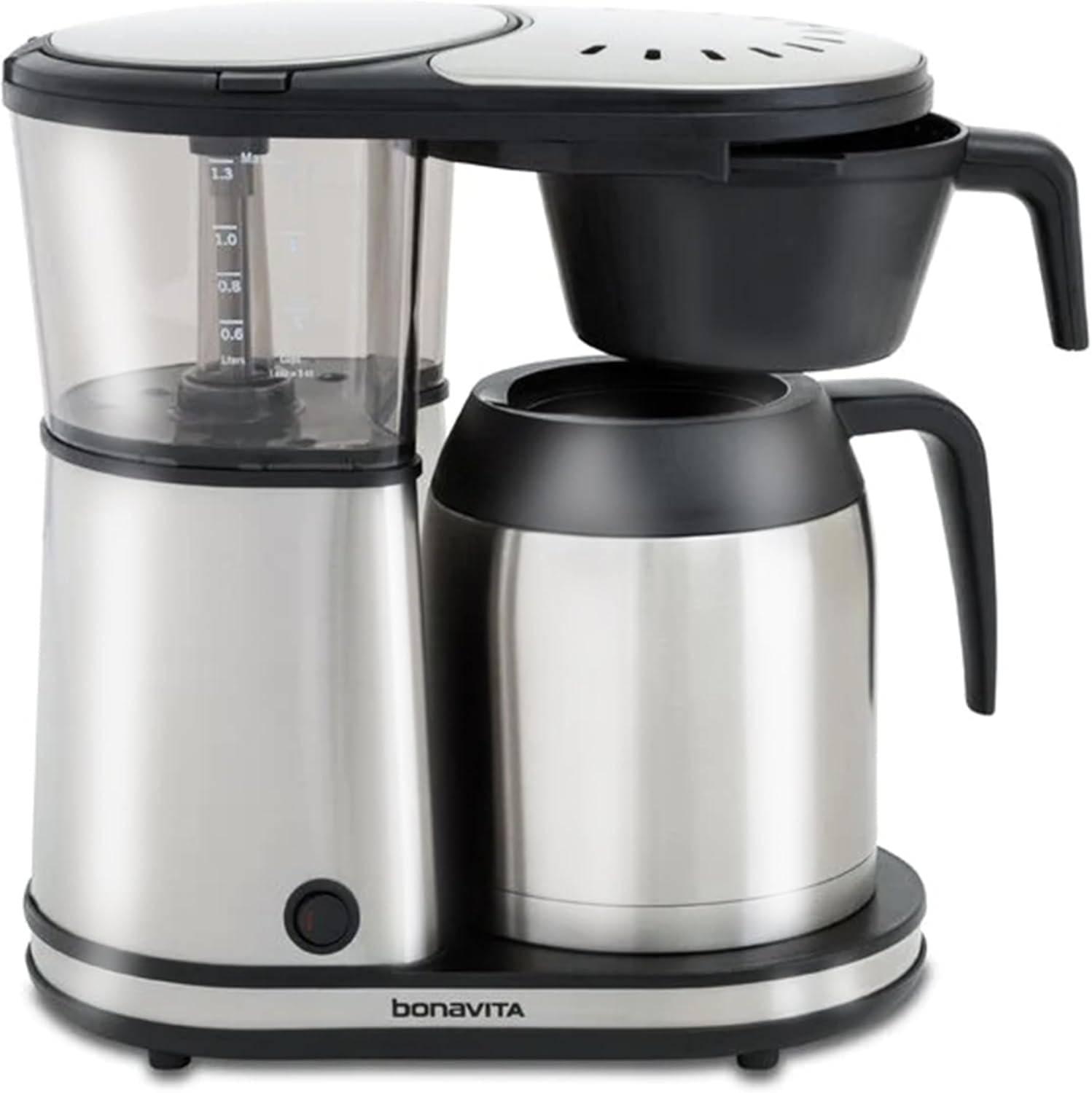
Lift it by the handle and the carafe feels dense and cool under your palm, a reassuring weight that contrasts with the machine’s otherwise compact profile. Brushed stainless brightens as the light shifts, and your fingers notice the crisp edge of the pour lip before your eyes register the hanging filter basket. It’s the Bonavita BV1901TS — the 8-cup thermal drip that greets you with a single-button start and a steady, shower-like pour over the grounds. As it runs you hear a low, steady hiss and, at the end, a clear beep; meanwhile the lid’s awkward lack of a resting place becomes obvious the first time you reach for it. Up close, small details — the click of the switch, the visual balance of the brewer and carafe, the feel of the finish — shape your first impression more than the numbers on the box.
A morning with the Bonavita: what you notice first on your counter
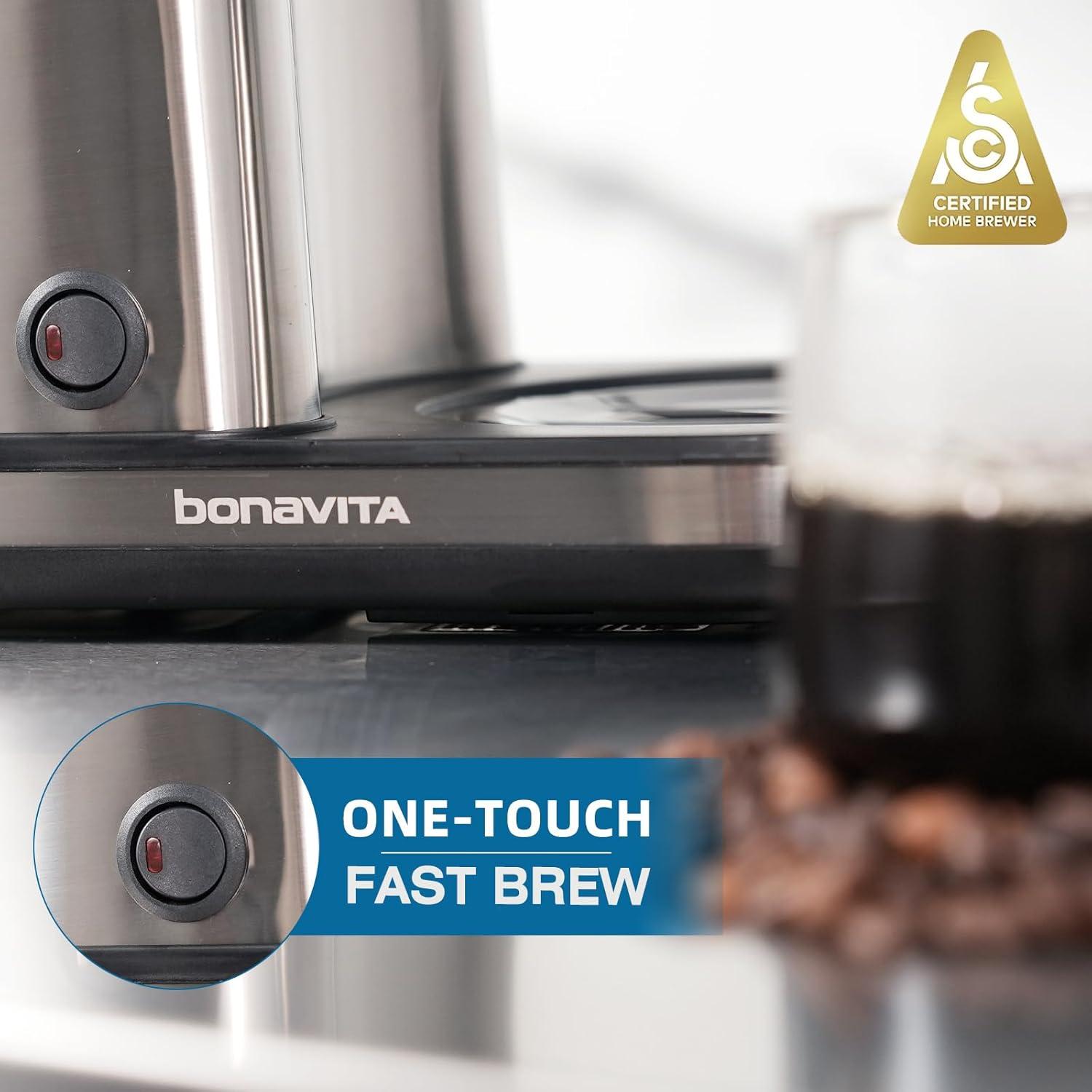
When you come into the kitchen the appliance is hard to miss on the counter. The stainless steel carafe catches the light first, its rounded silhouette sitting among a mug, a jar of beans, and whatever else you leave out overnight. A small, lone control on the front gives the whole unit a simple face; sometimes that soft glow is the only thing awake before you are.Steam or the scent of freshly ground coffee tends to announce it from a few feet away, and you quickly register how the cord trails behind it and whether there’s room to set a mug beside the carafe without crowding the toaster.
Up close you notice a few little practical details that shape the rest of your morning interaction: fingerprints on the stainless, the lid that doesn’t have an obvious resting spot while the basket is in use, and the occasional drip at the spout after pouring. You’ll find yourself doing small, familiar actions—tucking the lid aside, nudging the carafe to pour, wiping the rim—more out of habit than necessity.
- Stability: how it sits on the counter and whether it feels tucked in or takes up a walking path.
- Surface marks: smudges or water rings that remind you to wipe it down later.
- Storage quirks: where the lid and basket end up between uses.
These are the everyday impressions that determine how the machine fits into the rhythm of your morning, and they show up before you even press a button.
The machine’s presence and materials: what you see and how it feels when you lift it
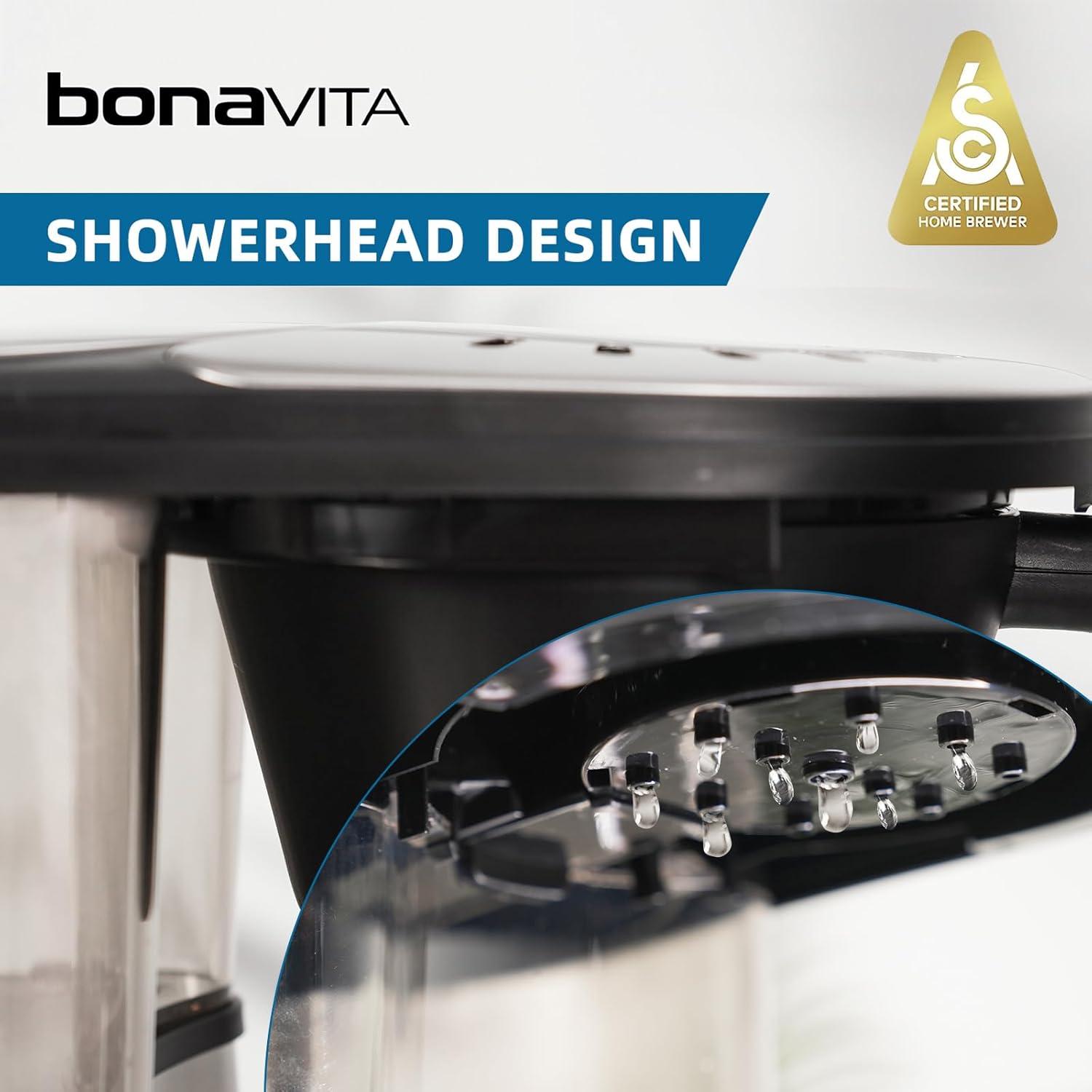
On your counter the unit reads as restrained and functional: a compact rectangular body finished in a soft-touch matte plastic that resists obvious fingerprints, with the double-wall stainless carafe sitting front and center.The brushed metal of the carafe catches light differently than the machine’s shell, so your eye is drawn to that metallic band against the darker housing. Edges are mostly rounded, seams and joints are visible but neatly aligned, and the control area is minimal—there’s little visual clutter to interrupt the overall silhouette. A few small details stand out in plain view, such as the hinge on the top lid and the plastic filter basket that hangs above the carafe; taken together they give you a sense of how the pieces relate to one another on a day-to-day basis.
- Exterior finish: matte plastic that feels slightly grippy to the touch.
- Carafe: brushed stainless that feels cool and smooth.
- Trim and small parts: molded plastic with a uniform, utilitarian feel.
When you lift parts of the unit—whether moving the whole brewer a short distance or simply picking up the carafe—the tactile differences are immediate. The machine’s weight is perceptible but not awkward; it sits with a low center of mass so a single-handed reposition feels steady rather than top‑heavy.The carafe is noticeably denser than a thin glass pot and gives a reassuring,slightly heavier feel in your hand; its handle is molded plastic with a rounded profile that slips into your grip without sharp edges. Removable pieces have smooth, wipeable surfaces, so when you lift the basket or tip the lid back to access the interior you notice little drag or roughness.
| Component | Tactile impression |
|---|---|
| Outer housing | Matte, lightly textured; feels stable when nudged or lifted |
| Stainless carafe | cool, solid, slightly weighty; balanced by the handle |
| Filter basket / lid | Lightweight molded plastic; snaps and hinges feel purposeful |
How you interact with the one touch pour over and the stainless steel thermal carafe
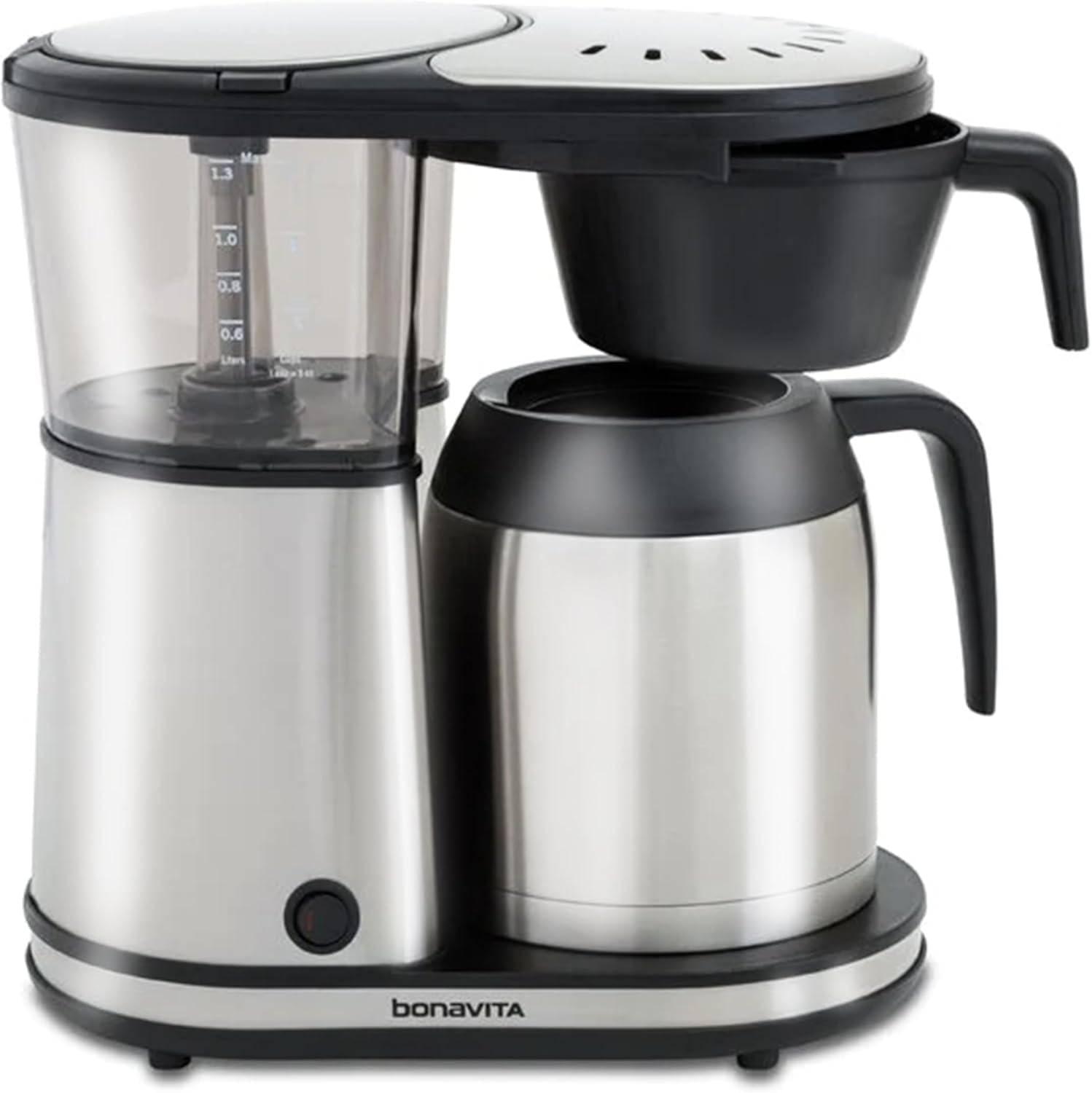
When you use the one‑touch pour over,interaction feels straightforward: a single press starts the pour‑over sequence and you can watch the water gently wet the grounds if you stand close enough.As the filter basket hangs over the carafe,you learn to move around that space — lifting the carafe,angling it while the basket remains in place,or setting the basket aside between brews. Small,everyday habits form quickly; for exmaple,you might wait for the audible finish cue before sliding the carafe back into place,or you’ll glance at the basket to check that the bloom phase did what you expected. key touchpoints you notice during a routine use include:
- Single button: one input starts the whole cycle and you rarely have to fiddle with menus.
- Hanging basket: its position alters how you lift or replace the carafe.
- Visual/audible cues: the brewer gives simple signals you come to rely on during the process.
Your interaction with the stainless steel thermal carafe is tactile and practical. The carafe’s weight and the wide lip shape change how you pour — a gentle wrist tilt rather than a fast lift tends to control drips — and because the lid doesn’t nest neatly when the basket is in place,you often set it on the counter or on top of the basket between uses. In everyday upkeep you’ll remove the lid and basket for a rinse or a quick load in the dishwasher, and you’ll handle the carafe differently when it’s full versus near empty; the double‑wall finish means you can pick it up without oven mitts, and that alters how you carry and store it after pouring.
where it fits in your kitchen: scale, clearance and placement for everyday use
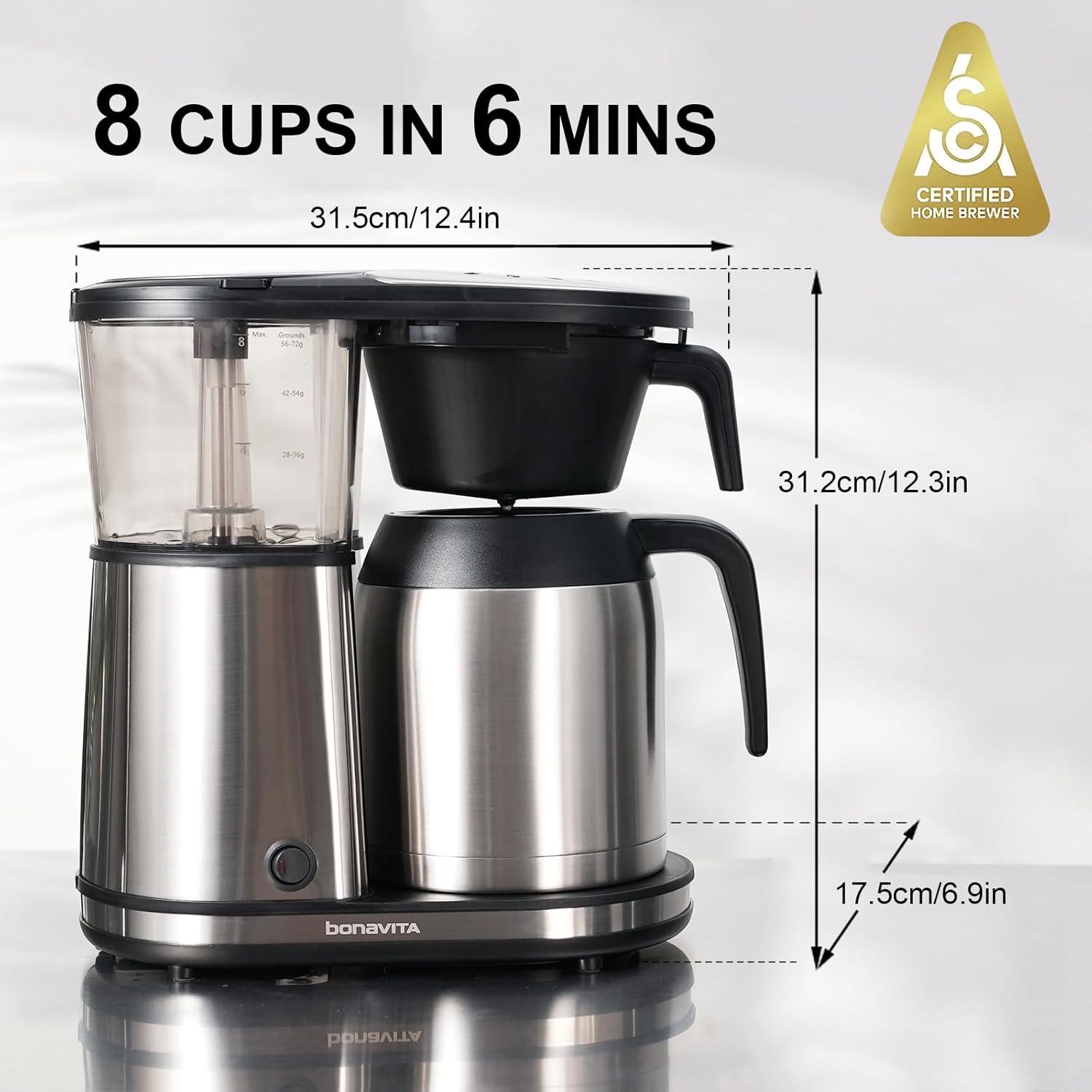
In everyday use,the unit occupies a modest footprint but asks for clear lateral and vertical breathing room. Placing it on a dedicated stretch of counter near the water tap and mugs keeps the small rituals — filling, tamping out grounds, and reaching for the carafe — from feeling cramped.The brewer vents steam upward during the cycle, so a narrow gap beneath low-hanging cabinets can make the area feel warmer and slightly damp over time; similarly, the suspended filter basket leaves little room above the carafe while brewing, which affects where the lid can be set. A few practical placement notes often surface during routine use:
- Clearance above matters for steam and lid storage;
- Side room eases tank filling and moving the carafe without brushing adjacent appliances;
- Access for quick cleaning keeps the machine from becoming a fussy chore between brews.
The everyday constraints translate into simple spatial choices: a counter with several inches of free space on each side and a bit of vertical breathing room makes loading and retrieving the carafe less fussy, while an island or open shelf avoids the steam-cabinet proximity entirely. The table below summarizes these banal considerations as they typically appear in a kitchen routine — it’s meant to orient where the brewer sits relative to common surfaces rather than to prescribe exact measurements.
| Placement aspect | Typical real-world note |
|---|---|
| Above-counter clearance | Leave room for upward steam and basket movement; low cabinets can feel tight. |
| Side clearance | Enough space to fill the reservoir and slide the carafe out without shifting other items. |
| Cleaning access | position with easy reach to the sink or dishwasher to keep maintenance part of the morning flow. |
View full specifications and variant details on the product listing
How it measures up to your expectations and the real limits you’ll face
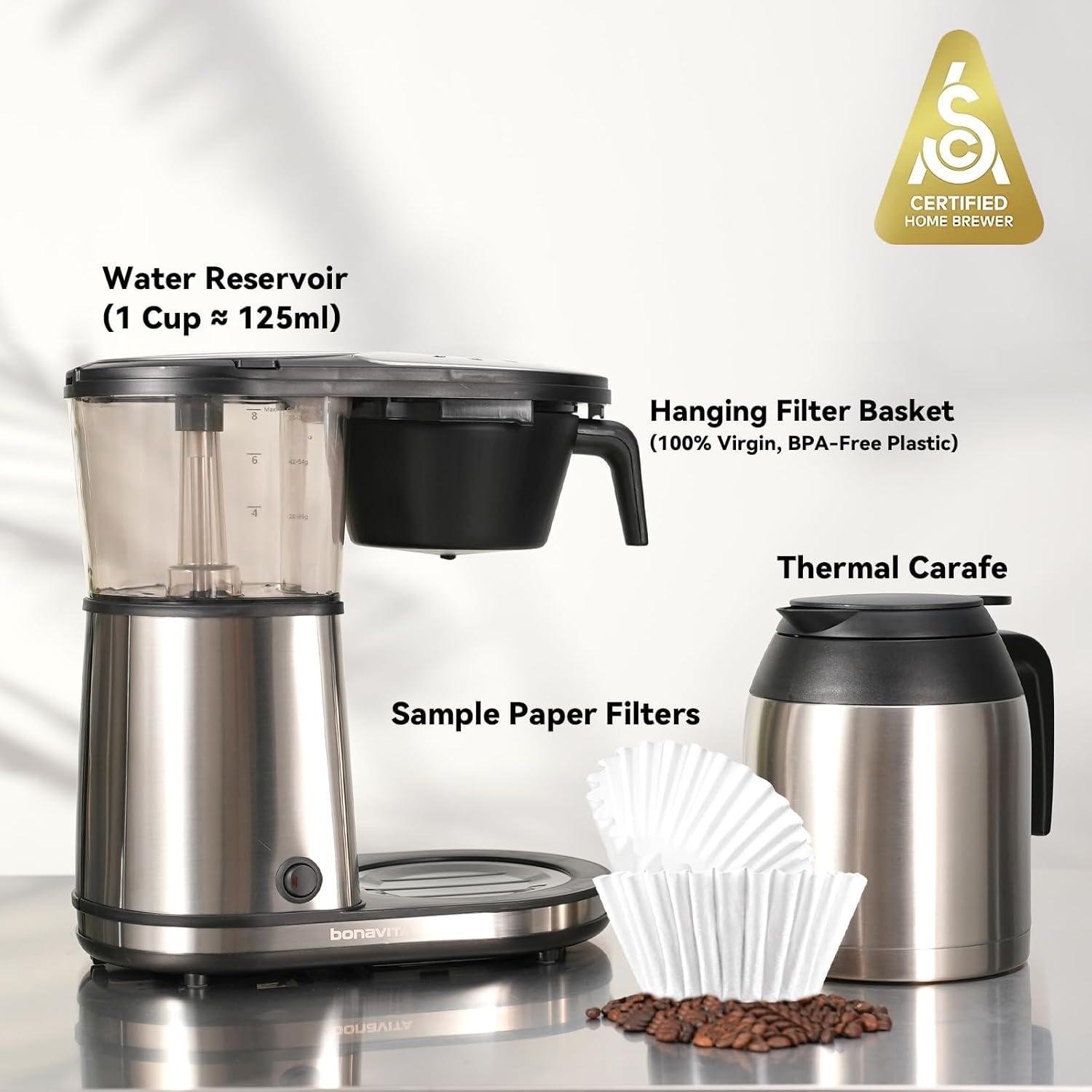
In everyday use the brewer mostly delivers on the core expectation of a fast, even extraction: cups tend to taste full-bodied and the bloom/pre-infusion option shows up in repeated mentions of improved flavor. At the same time, several recurring practical limits become clear in lived routines. Temperature retention is uneven — some reports describe several hours of warmth while others note the carafe cools off quickly after the first pour — and that variability shows up during the second or third mug rather than immediately at brew time. Routine interactions also reveal a few design friction points: steam can be noticeable (significant for placement under cabinets), the carafe lid lacks a convenient resting spot during brewing, and the hanging basket arrangement means the lid and carafe don’t always nest the way users might expect. Occasional fragility concerns — cracked lids or a lightweight feel to some trim — have been mentioned alongside accounts of long, trouble-free service from older units.
In practice these patterns translate into predictable behaviors and small workarounds that become part of a morning routine. The machine often finishes quickly and signals completion audibly, but the auto-pause/drip behavior and the way the basket sits over the carafe mean removal and pouring sometimes require a brief pause or extra handling; similarly, upkeep is present as a habitual task — filter basket, lid and showerhead are handled regularly and are amenable to dishwasher cycles in most households.A few common limits show up repeatedly in user reports and shape expectations in real kitchens:
- Heat consistency: results can range from very warm to merely lukewarm after the first cup, depending on use and unit variability.
- Design quirks: lid storage,drips during removal,and steam output influence placement and daily handling.
View full specifications and current listing details on Amazon.
Routine upkeep and the daily brewing, pouring and washing patterns you’ll live with
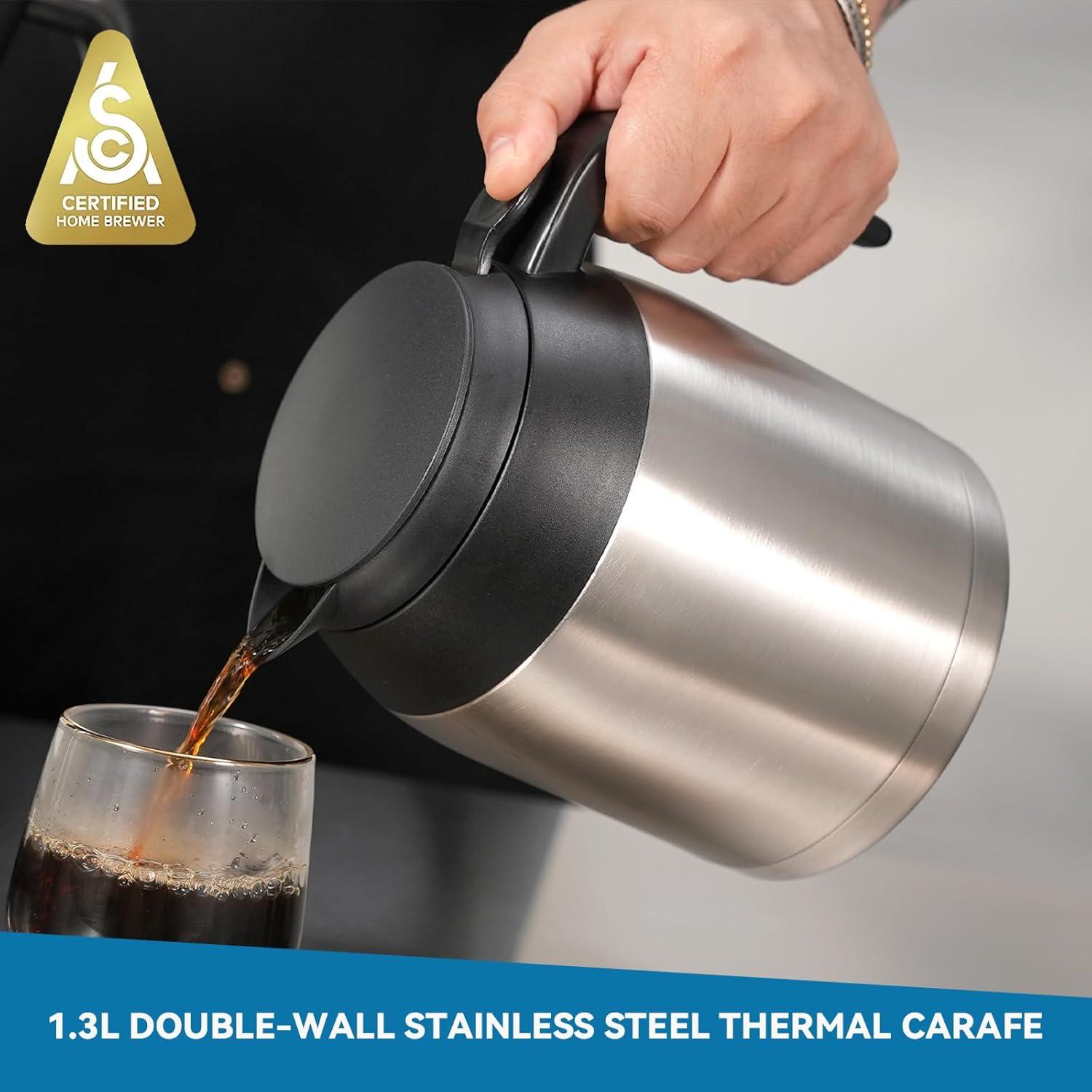
Your morning with this brewer quickly becomes a small choreography: you fill the tank, seat the hanging basket and carafe, press the single button and wait through the audible finish signal. Brewing throws a steady plume of steam from the top, so the machine can feel cramped if it sits under low cabinets. When the cycle ends you slide the carafe out — it’s significant when full, and the wide lip means a quick, care-free pour most of the time but also a few drips if you move too fast. The filter basket hangs over the carafe, so the carafe lid often has nowhere convenient to rest until the basket is lifted; you’ll find yourself leaving that lid on the counter or in the sink between uses more than you might expect.
Cleaning and small upkeep settle into a simple cadence that becomes part of the routine. You tend to rinse grounds out of the filter basket and give the carafe a quick swish after each use, and several removable pieces are labeled as dishwasher-safe, so tossing the basket and lid on a weekend load is common. The machine’s exterior and the showerhead get wiped now and then to catch drips and stray grounds, and for some households a deeper descaling or attention to mineral buildup arrives every few months rather than daily. Typical daily interactions include:
- Rinsing the carafe and filter basket
- Wiping the brewer base or showerhead when it looks splattered
- Setting the lid aside until the next brew
| Part | Typical handling in daily use |
|---|---|
| Carafe | Rinse after use; often dried before storing |
| Filter basket & lid | Rinsed daily; frequently placed in the dishwasher on lighter cycles |
| Brewer base & showerhead | Wiped occasionally to remove splashes and grounds |
How It Settles Into Regular Use
After some months on the counter the Bonavita BV1901TS slips into the background of mornings, its surface developing faint fingerprints and the occasional water ring where a mug gets set down. It tucks in beside the toaster and a jar of spoons, shaping small movements—fill, press, lift—into a habitual sequence that feels ordinary and unremarkable. the stainless surface and carafe show the soft marks of daily handling, and the machine’s presence quietly marks time in regular household rhythms. It stays.
As an Amazon Associate I earn from qualifying purchases. Amazon and the Amazon logo are trademarks of Amazon.com, Inc, or its affiliates. All images belong to Amazon