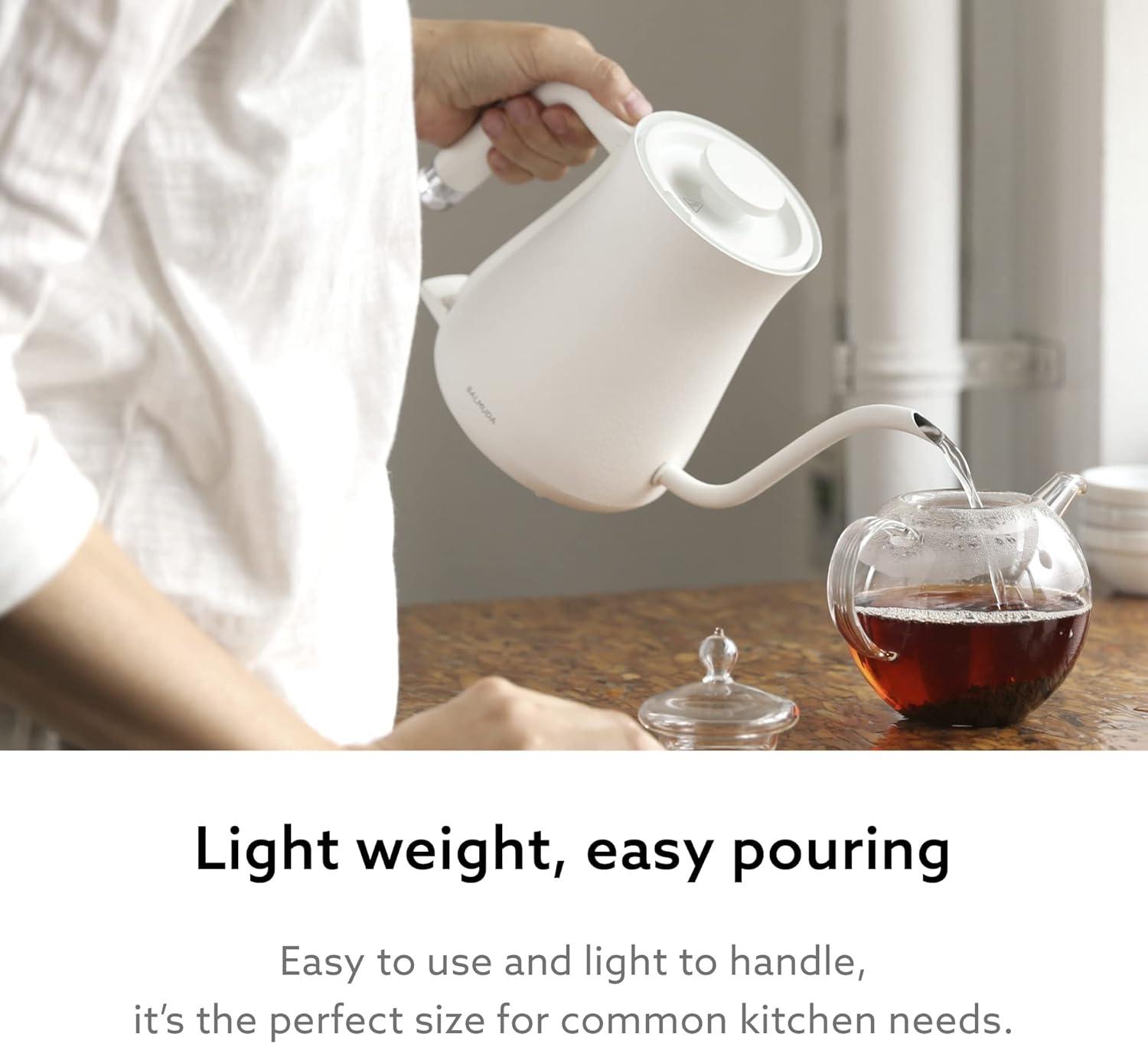
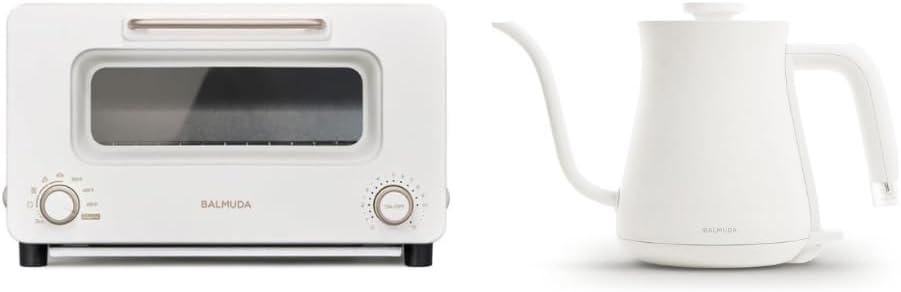
When you lift the kettle for the first pour, the BALMUDA combo—the Toaster Pro and The Kettle—feels unexpectedly balanced, a considered weight that steadies your hand. The toaster’s off-white shell is smooth under your palm, its satiny finish resisting fingerprints, while the kettle’s handle gives a soft, reassuring friction as you wrap your fingers around it. You notice a low, regulated hum from the toaster and the kettle’s quiet click, then a gentle glow in the handle as the water nears boiling—little cues that settle into the room’s rhythm. Visually they read as a composed pair: the toaster’s compact, boxy geometry offset by the kettle’s curved spout, registering as a subtle, collected presence on the counter.
When you place them on your counter: a snapshot of the toaster and kettle in regular use
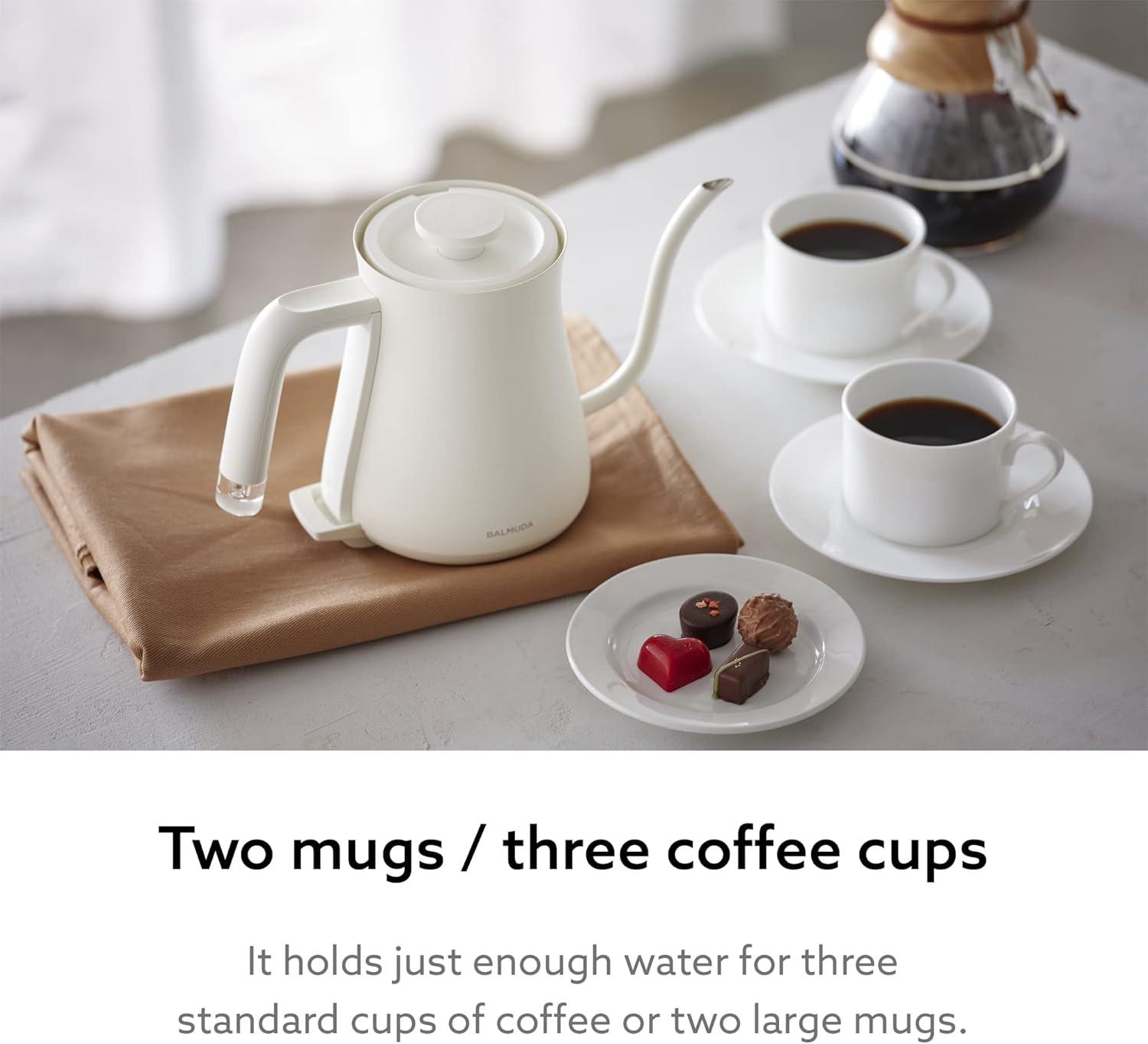
When you place them on your counter they quickly become part of the room’s rhythm rather than separate appliances. The kettle’s slim profile and the toaster’s boxy presence compete politely for elbow room; you find yourself nudging a cutting board or shifting a jar so the spout lines up with your favorite mug. Steam drifts out in soft puffs at predictable moments and a faint warmth collects on the counter near the toaster’s door after a cycle, so you tend to leave a little space around them. The kettle’s handle gives a small, steady glow while water is heating, and when you lift it to pour the weight and balance are the parts of the interaction you notice first. Cord placement, the minor scrape of the toaster tray when you slide it out, and the occasional breadcrumb scatter all register as routine details you deal with without much thought.
Daily use generates a short list of small habits that feel natural after a few mornings together:
- Morning start: you fill the kettle, place the bread, and set both in motion within a minute or two.
- Between cups: the kettle sits ready for a quick refill or a slow pour when you linger at the counter.
- Tidying: you swipe the surface and slip out the crumb tray now and then, usually when you notice bits gathering.
| On-counter cue | What it signals |
|---|---|
| Handle light glowing | Kettle is heating and you pause a moment before pouring |
| Warm patch beside the toaster | Recent toasting cycle; you give it a little space |
| Steam on the inner glass | Cycle finished and the interior needs a beat to settle |
Pick them up and feel the balance: what the materials, weight and finish tell you
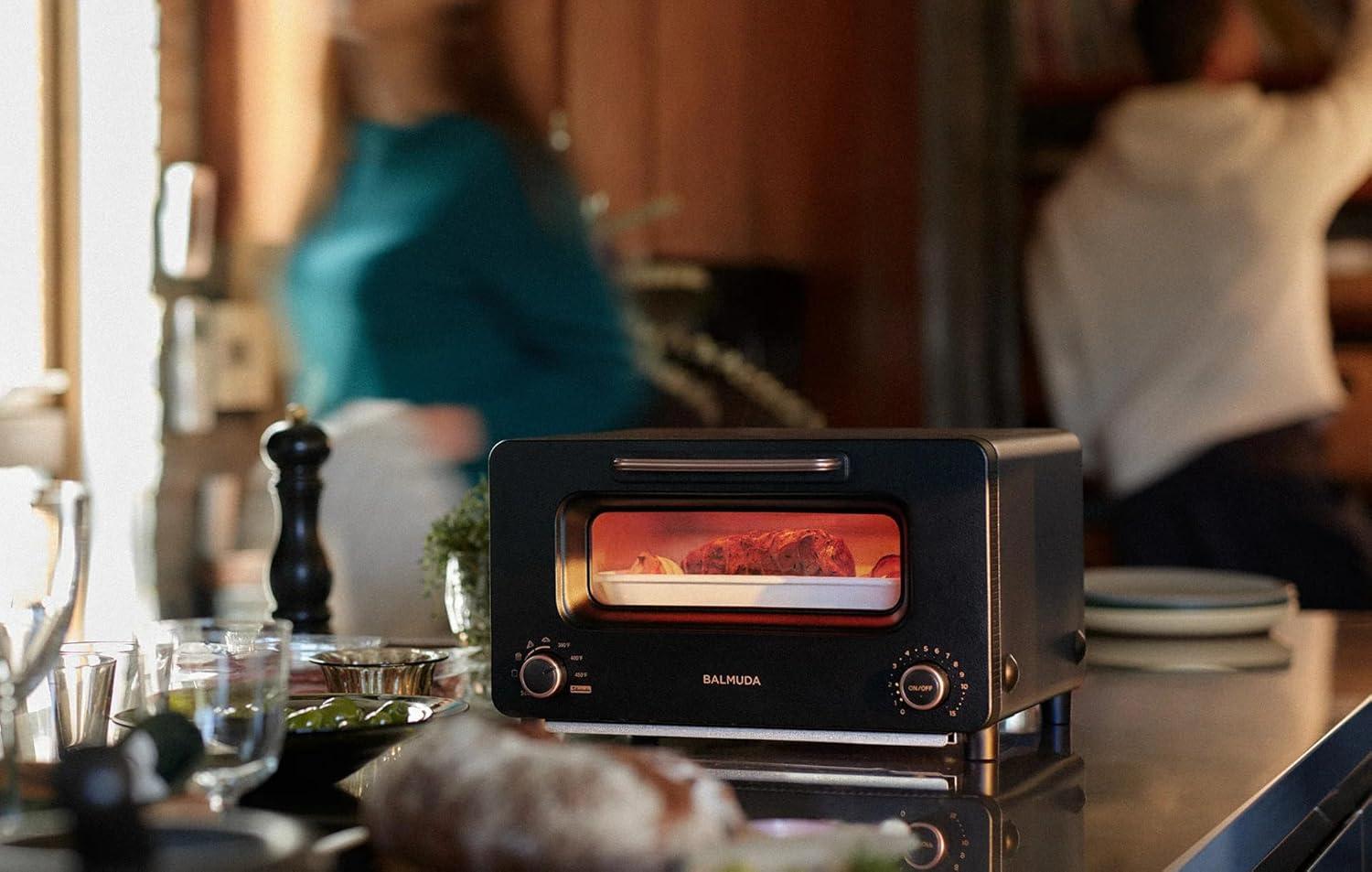
When you pick each unit up, the first thing you notice is how the mass is arranged rather than the absolute heaviness. The countertop oven has a grounded feel: its weight sits low and you sense most of it through the base, so when you lift a little to shift it it tilts predictably forward unless you support the back. The exterior finish is cool and slightly textured under your palm,with seams that meet without any roughness; control knobs and the door handle move with a measured resistance you can hear as a quiet,short click. The kettle, by contrast, is noticeably lighter when empty and feels almost delicate in your hand until there’s water inside — then the center of gravity shifts closer to the spout and you adjust your grip without thinking. The handle profile encourages a specific hand position, and the painted surfaces trade smoothness for a faint tooth that keeps the appliance from feeling slick during routine lifts or brief carries.
- Weight distribution — base-heavy versus hollow-but-stable when filled.
- Surface touch — matte-like paint that slightly resists smudging versus glossier zones that catch fingerprints.
- Grip and balance — molded contours that steer your fingers and subtly change how you lift as the contents change.
| Material area | What it tells you during handling |
|---|---|
| Outer enamel/paint | Feels cool, hides small scuffs in most light, shows wet marks more than dust |
| Handles and knobs | Offer tactile feedback and a slight give that makes single-handed shifts easier |
In everyday use these cues shape small habits: you tend to brace the oven with one hand before lifting, and you find yourself angling the kettle differently when it’s full. occasional tracing of fingerprints or a quick wipe after use is part of how the finishes present over time, and those little tactile signals — a faint click, the way weight sits in your palm, the give of a handle — are the things that quietly guide how you interact with both appliances.
Where they end up in your kitchen and how much counter real estate they claim
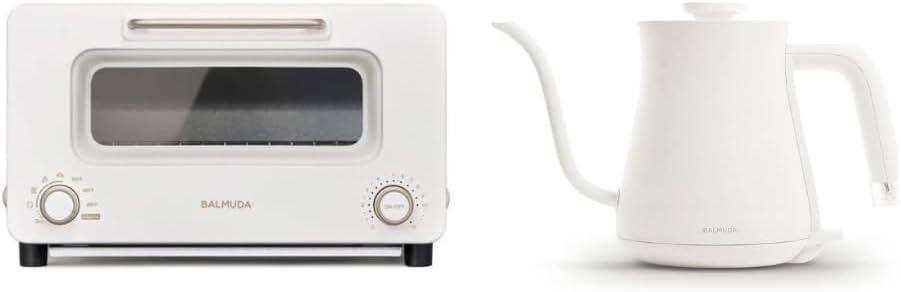
In everyday use, the pair usually settle into a small, defined work zone rather than spreading themselves out. The toaster most frequently enough sits where it can be pulled forward for loading and for the door to open with room for a plate in front; the kettle tends to live close enough to a water source or sink to make refills effortless, or else on the same run of countertop so it’s available for a quick pour.Observed habits include nudging the kettle slightly to one side so its spout and handle are unobstructed and keeping the toaster a little further from the wall to allow for crumbs to be shaken out and the front tray to slide cleanly. A few recurring practical points stand out in regular use:
- Front clearance — the toaster needs space to open and to slide trays out;
- Filling access — the kettle is frequently enough shifted closer to the sink for refills;
- Orientation & cords — both appliances are arranged so handles and spouts face into open workspace, with cords tucked or routed to the nearest outlet.
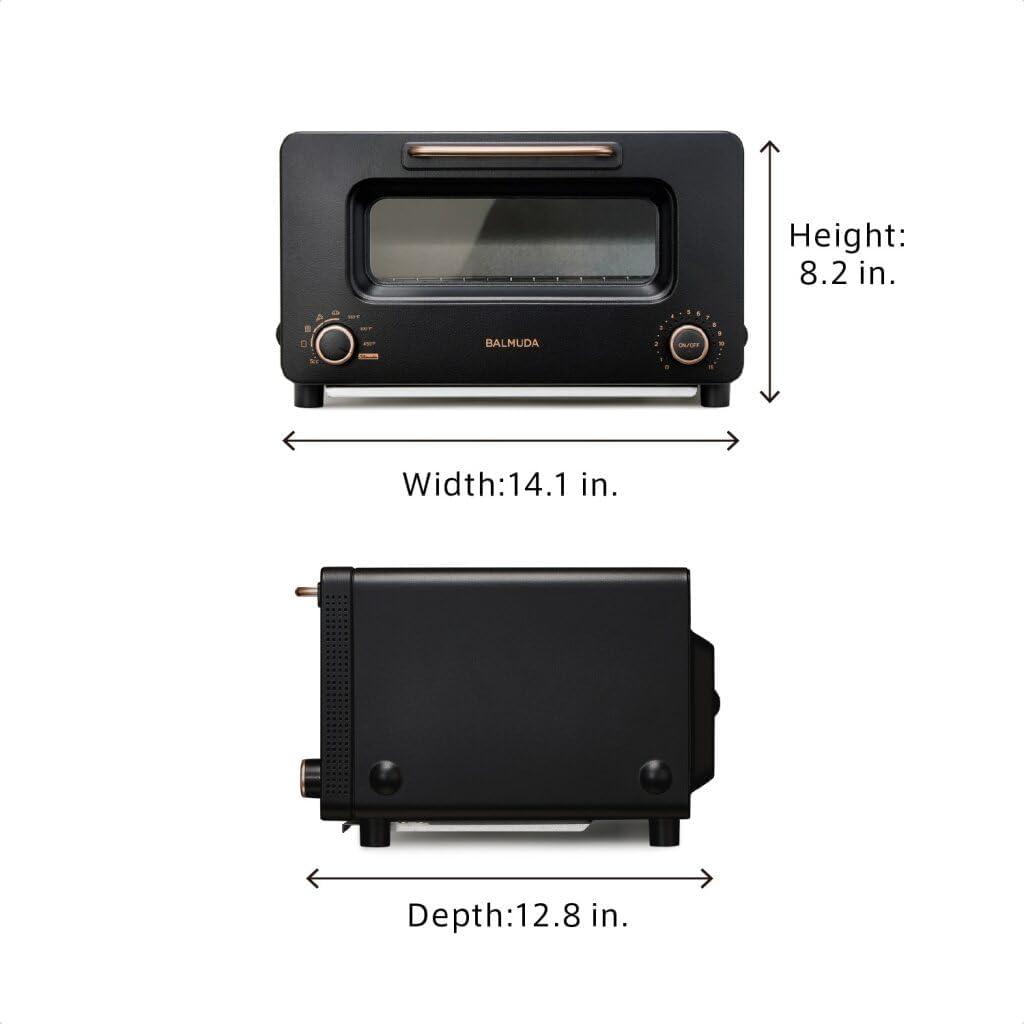
The visual and physical footprint is a matter of how they’re used day to day: side‑by‑side they form a compact station that can dominate a short stretch of counter, but the kettle alone usually takes up only a small, flexible patch of workspace that gets moved during pouring or filling. The toaster’s need for forward access and occasional top or front clearance means it effectively reserves a lane of counter for breakfast prep whenever it’s in operation, and that lane is where plates and utensils wind up during use.The table below captures common placement tendencies and the practical effect on surrounding space.
| Typical placement | Observed counter effect |
|---|---|
| Back-of-counter near an outlet | Concentrates activity in one zone; keeps prep area elsewhere free |
| Side-by-side as a breakfast station | Creates a small, dedicated lane for serving and pouring |
| Kettle near sink, toaster near prep area | Splits the workload but uses more linear counter run |
Complete specifications and variant details are listed here: See full listing details.
Starting a toast, steaming and pouring: how the controls and motions unfold when you use them
When you start a toast the interaction feels deliberately sequential: you set the slice in the slot or tray, add a vrey small measure of water into the marked inlet, and then select the cooking mode. The controls respond in a tactile, single‑motion way — a twist or press followed by a low click and an indicator changing to show the program is engaged — and the oven settles into its cycle. If you use the kettle to supply that water, the gooseneck spout makes the pour a careful, wrist‑led motion rather than a splash; you tend to approach the inlet with the kettle tilted slowly, watching for the faint bead of water to wedge into place. Little, habitual adjustments pop up: you might steady the kettle with your other hand, pause a fraction longer when the spout drips, or wipe away a stray droplet from the toaster lip before starting. In routine use the motion is short and repeatable — load, top up with water, choose a mode, start — and the controls communicate each step through subtle clicks and changing lights rather than long menus.
As steaming and pouring unfold together the choreography becomes more about timing and feel than about numbers. The kettle’s handle and spout let you modulate the stream, so for a quick cup you pour briskly; for topping the toaster’s reservoir you use a slower, steadier tilt. While the toaster is working you’ll notice small,practical things: a wisp of steam at the seam,a cool handle to return the kettle to,and the occasional need to clear a drip tray or dab the spout after a pour — upkeep that shows up naturally in the sequence rather than as a separate task. A short list captures the recurrent motions you make during a typical run:
- Positioning: place bread or pastry in the tray.
- Sampling water: pour a tiny amount into the marked spot — steady, controlled tilt.
- Engaging controls: select mode and start; lights or clicks confirm the choice.
Small limits show themselves in use — the pour needs a light, practiced wrist to avoid overfilling — but most of the interaction lives in these habitual gestures and brief pauses, woven into whatever morning rhythm you already have.
How the combo measures up to your morning routine and the limitations you’ll encounter

In a typical morning rhythm, the pair fits into a small sequence of repeated gestures: a quick pour to the kettle, a measured splash of water added to the toaster’s reservoir, and the momentary shuffle of plates and cups on the counter. The kettle’s controlled pour and steady boil make tasks like a pour-over or a rapid cup feel purposeful rather than rushed, while the toaster’s steam step introduces an extra, hands-on beat—adding that small measured water amount becomes part of the routine rather than an afterthought. Space and movement around the countertop show up as practical considerations: the toaster door needs room to open and the kettle’s gooseneck and handle require a clear zone for agreeable pouring, so the pairing reshapes how items are arranged during the busiest minutes of the day.There is a modest learning curve as settings and timing are adjusted to fit the household’s preferred browning and pour speed, and routine wiping or emptying of crumbs and occasional limescale attention appear as part of regular use.
Observed limits tend to emerge when mornings get crowded: the kettle’s capacity can lead to a top-up if several drinks are needed in quick succession, and some cooking modes take longer than a basic pop-up toaster cycle, so timing must be staged if multiple plates are involved. The steam process and multi-zone heating deliver different textures than a conventional toaster, but dialing in those outcomes takes a few tries, and a couple of rushed starts in the first week are common as habits adjust. For most days the set creates a calm, intentional corner of the kitchen, though for larger or more simultaneous tasks the routine will feel like it requires a little more pacing and occasional tidying between uses.Full specifications and current listing details can be viewed here: Product listing and specs.
How you live with them: daily cleaning,storage and the small rituals they establish
You will find that cleaning them weaves into the day rather than becoming a chore. A quick wipe-down of damp spots after tea or toast becomes automatic, and the toaster’s small crumb catch is one of those things you flick open when you notice the sound or a stray flake on the counter. The kettle’s gooseneck spout leaves the occasional drip ring, so a cloth folded nearby and a tiny measuring cup (kept on the same tray or shelf) quietly earn a permanent place in your routine. There’s a little choreography to it: you refill or top up, wait for the soft indicator to finish, then set both back to a neat-facing position—small, repeated gestures that make the pair feel integrated into the morning and afternoon rhythms of the kitchen.
Storage habits settle quickly. Because they’re used often, you tend to keep them out where they’re reachable rather than tucked away; the toaster might live at the edge of the counter and the kettle slightly angled so its spout is always pointed away from the wall.Cords usually end up loosely coiled beneath or behind, and a small tray or mat under both items absorbs spills and defines their corner. Occasionally you slide the toaster back a little to clear workspace or lift the kettle to rinse and then return them to the same familiar spots—these tiny positioning decisions become part of the quiet rituals that mark how they inhabit your kitchen.
- Near-constant accessibility — kept on the counter rather than put away
- Everyday tools stayed close — cloth,small cup,and a tray form the surrounding kit
- Subtle positioning — angled and aligned to simplify quick use
How it Fits Into Everyday Use
After a few months of quiet mornings and reheated lunches,the BALMUDA Combo Pack in White | The Toaster Pro & The Kettle | Steam Oven Toaster & Electric Gooseneck Kettle settles into the corner of the counter,its white surfaces gathering the faint smudges and water rings that come with daily handling. You notice how it gets nudged aside when more prep space is needed and pulled forward on busy mornings, its footprint subtly changing how the surrounding area is used.Over time the finishes show small, honest signs of use — a soft patina where hands rest, a little limescale at the kettle base — making it feel like part of regular household rhythms. It settles into routine.
As an Amazon Associate I earn from qualifying purchases. Amazon and the Amazon logo are trademarks of Amazon.com, Inc, or its affiliates. All images belong to Amazon