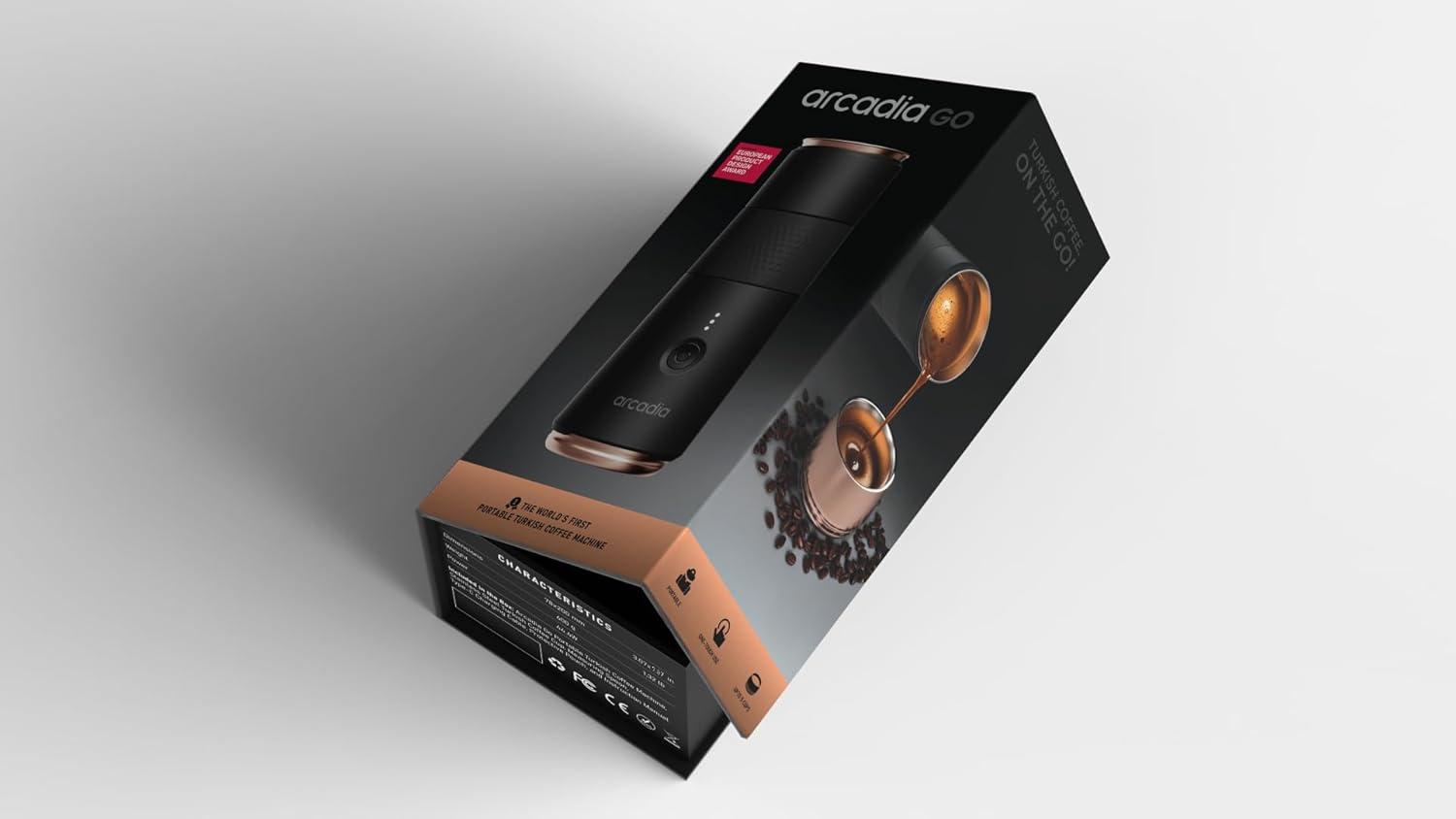
You lift it from its pouch and it settles in your palm with a compact, reassuring weight — present but not bulky. The night‑black shell feels cool and slightly grippy under your fingers; seams and the single button register as tidy, engineered details you notice without thinking.Branded Arcadia Go, it reads more like a narrow column than a squat pot, a visual balance that catches your eye as it sits on the counter. When you run it the low electronic hum and the soft click of the spoon docking become part of the room’s soundscape, and the base warms subtly, a small, honest cue that the device is doing what it was designed to do.
A quick cup in your day: spotting the Arcadia Go in everyday life
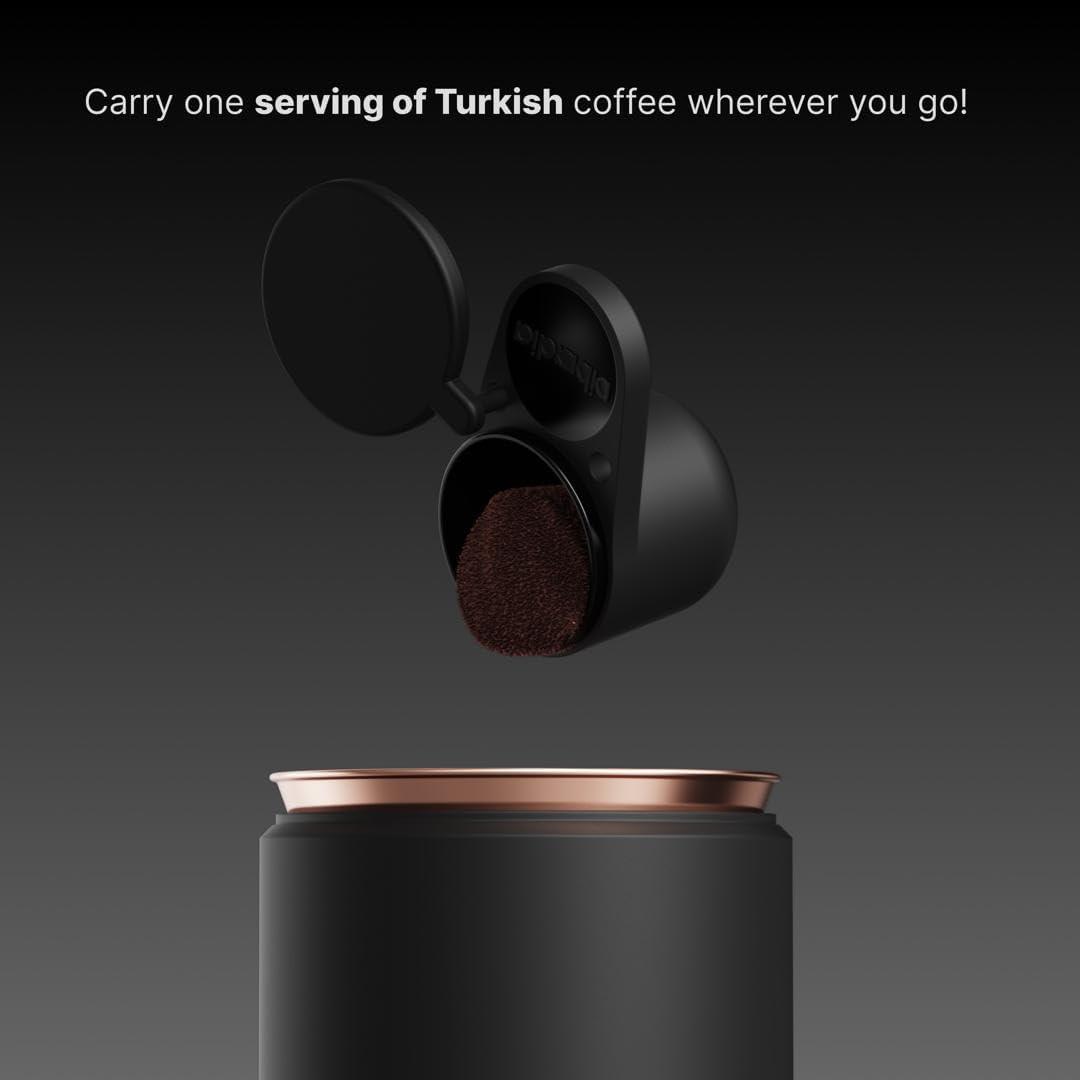
You start noticing it in the small, unplanned moments of your day: tucked beside a laptop after a late-night work session, half-hidden in a backpack before a short trip, or sitting on the picnic blanket while someone else fusses with the fire. It tends to blend into the background until steam or foam draws your eye; a soft glow or a quiet click during a brief brewing cycle is ofen how you realize a cup is underway. In shared spaces it shows up as a compact presence on a crowded counter, the kind of item that gets moved gently to make room for breakfast plates and then placed back where it won’t be in the way. You might catch yourself pausing — stirring, lifting the lid, or tucking the unit into a pouch — small gestures that become part of your routines rather than planned rituals.
In daily life the device leaves a few familiar traces that make spotting it effortless:
- Soft charging glow on the body that signals a recent top-up or readiness for another cup
- Measuring spoon set down nearby or snug in its pouch, the little habit of keeping it close at hand
- fine grounds on the counter or a damp ring where a cup sat — quick signs of a freshly brewed drink
You handle it in passing — a quick rinse after use, a brief wipe of the exterior, or the occasional shake to clear stray grounds — actions that fold maintenance into everyday habits rather than seperate chores. Over time those small routines shape where the device lives in your space: a shelf niche,the side pocket of a daypack,or a corner of your desk where it’s always ready for the next unplanned cup.
Unboxing to first brew: how you get it charged and set up
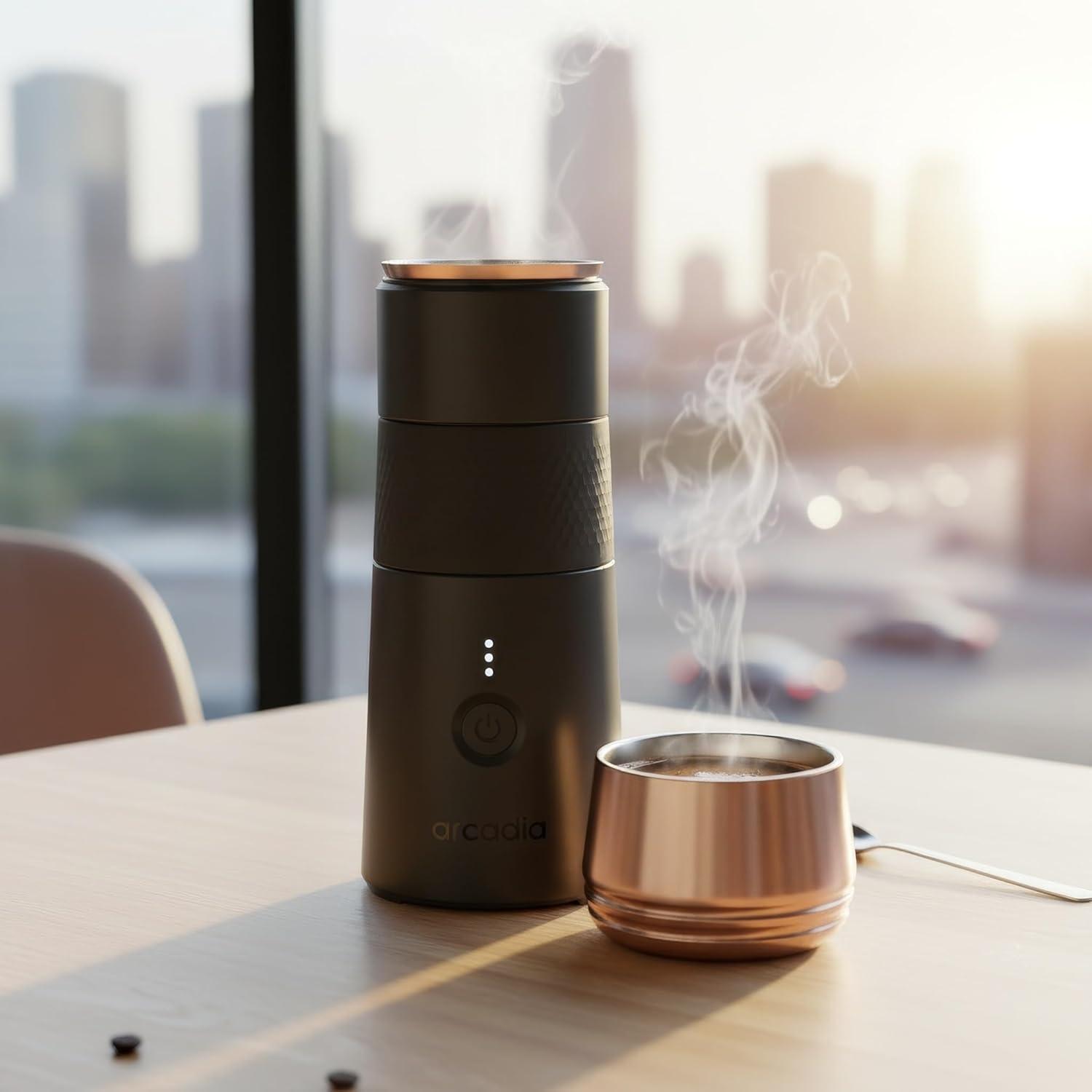
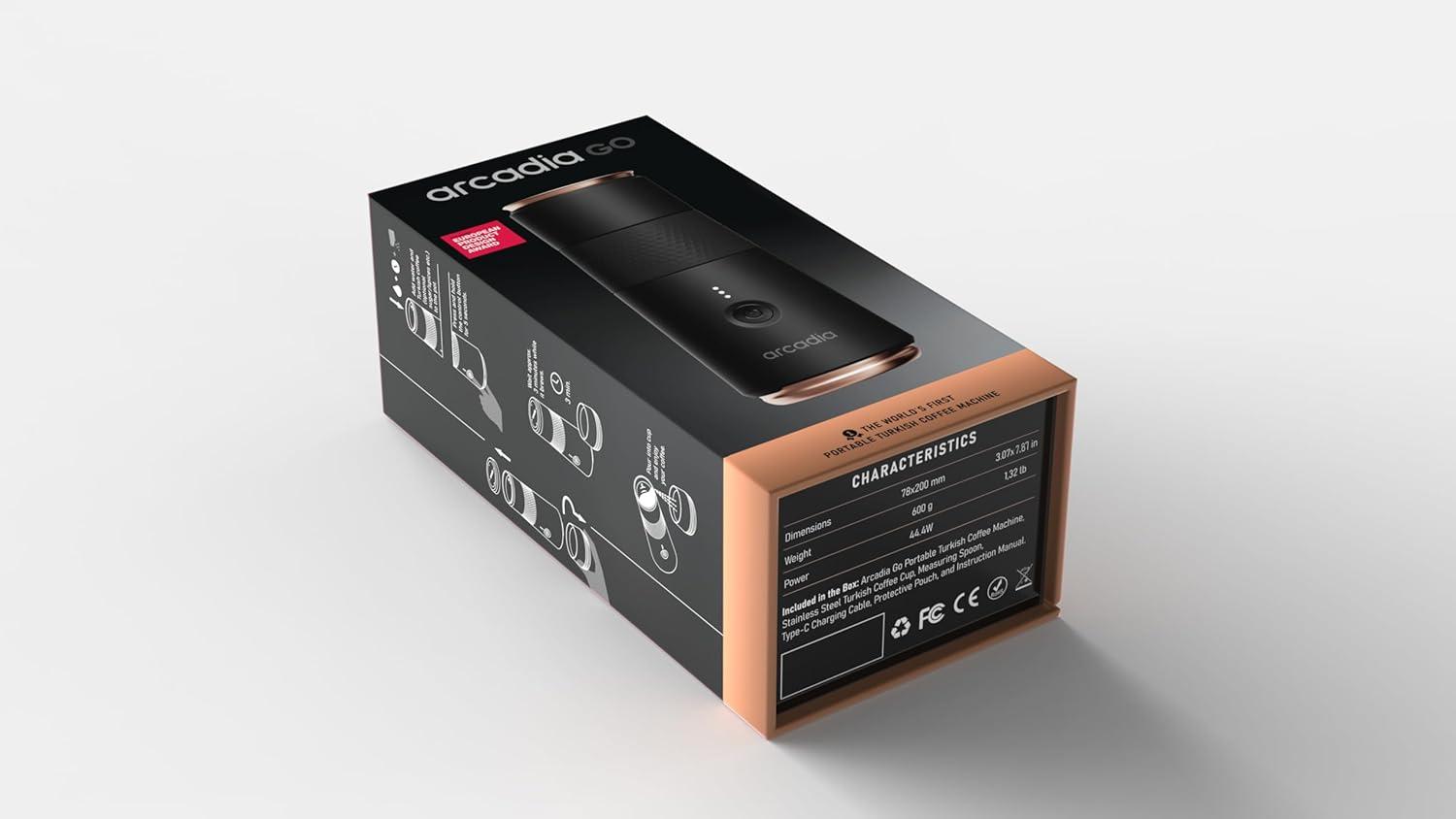
When you first lift the box out of its sleeve, the components are arranged so you see the main unit immediately, with a short USB‑C cable, the small measuring spoon and a soft travel pouch tucked beside it. A thin quick‑start leaflet sits on top; the device has protective films on glossy surfaces and a tiny rubber cap covering the USB‑C port that you’ll remove before charging. The included measuring spoon snaps into the pouch in the way you’d pack it for travel, and a brief sniff of new‑manufacturing odor is noticeable until you wipe or rinse the parts you’ll touch. Box contents that matter for the first brew are visible right away:
- main brewer unit
- USB‑C to USB‑C cable
- measuring spoon and travel pouch
- quick‑start leaflet
| Item | First use observation |
|---|---|
| USB‑C cable | Provides the only wired charging option; no wall adapter is included, so you’ll plug into a laptop or power bank for the initial charge |
| Measuring spoon | Stores the right dose and makes the first dosing quick and repeatable |
Putting it together for your first brew is mostly about charging and a quick familiarisation with the controls. You connect the cable, slip the rubber port cover aside and link the other end to a power source; an LED near the control area lights up while the unit is taking power and changes state when it looks topped up, so you can tell at a glance that it’s ready. The first charge can feel like it takes a little while on a laptop USB port compared with a wall brick or power bank, so many peopel leave it plugged in until the indicator shows a steady state. Once charged,you briefly rinse or wipe the interior,scoop the ground coffee with the included spoon,replace the lid and press the power button — the device sits upright and begins its cycle without extra setup. After that initial run you’ll probably give the brewing chamber a quick wipe; that sort of small upkeep tends to become part of the routine rather than a separate chore.
The night black finish and feel in your hand: materials, weight and controls
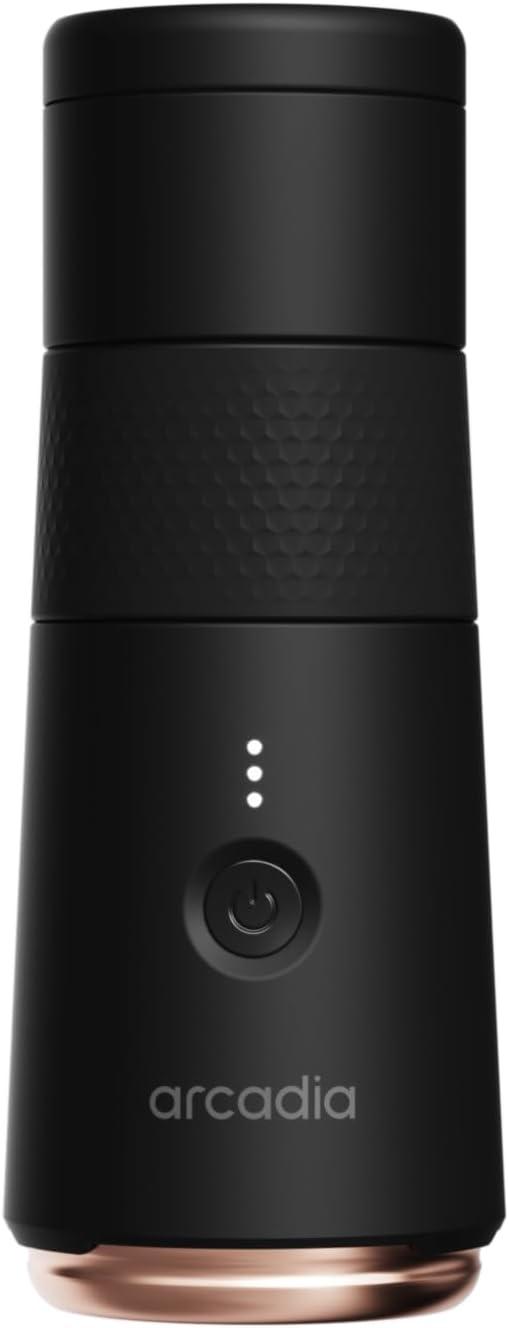
in your hand the night black surface reads as a subdued, satin-like skin rather than a glossy coat — it tends to mute reflections and to hide light scratches, though faint smudges can appear after frequent handling. The outer shell feels mostly cool to the touch at first; as you hold it longer the finish warms subtly against your palm. You can sense a mix of materials: a firmer, metal-feeling core where the unit meets your fingers and softer polymer around the rim and the lid; seams and joints are tidy and rarely snag on fabric. Cleaning shows up as a routine part of keeping that dark face presentable — a quick wipe usually removes the obvious marks without having to dismantle anything.
The weight of the unit is noticeable but not cumbersome — you often hold it with a single hand and make small grip adjustments when filling or lifting, and the balance shifts a little as liquid moves inside. Controls are concentrated and straightforward: a single, slightly recessed button gives a short, tactile click when pressed and an LED near it changes visibly so you can tell status without peering at the base. The button’s placement generally stays within thumb reach during typical use and the surrounding bezel reduces accidental presses when you set the maker down. Observations at a glance:
- Finish: satin, resists glare, shows light smudging
- Grip: one-handed comfort with small balance shifts
- Controls: recessed, tactile button with visible LED
| Feature | what you notice in use |
|---|---|
| Power button | Short, audible click; recessed to avoid accidental presses |
| Indicator LED | Clear color/status change visible from typical holding positions |
| Seal and edges | Soft resistance when closing; no harsh gaps around the rim |
Where you tuck it: scale, stowage and placement on a desk, in a bag or at camp
On a desk it rarely demands much real estate: you can slide it into a corner beside a mug or tuck it behind a stack of notebooks and it stays out of the way until you reach for it. The rounded base and compact profile mean it doesn’t overhang edges or scream for attention; you’ll find yourself nudging it a few times when reorganising papers or stretching for your keyboard. A few common desktop habits emerge:
- keep‑out spot — near the kettle or mug so brewing is one tidy motion.
- Stash spot — under a low shelf or beside a monitor where it won’t get knocked.
- Ready spot — on top of a desk mat or tray when you use it several times through the day.
wiping a small drip or rattling the measuring spoon into a pouch tends to be part of the routine before you set it back down, and sometimes you’ll simply leave the charging cable looped beside it until the next brew.
When you pack it into a bag or bring it to camp, the device behaves like a small, solid object that shifts with whatever else is in the same compartment. In a backpack it fits alongside a water bottle and snack pouch without needing special padding,though you’ll notice it moves if the bag is overstuffed; in a suitcase it frequently enough slides into a side pocket or into the included travel pouch for a neater fit. At a campsite it sits on flat surfaces — a picnic table, a cooler lid, or a stable rock — and tends to be one of those things you set down, walk away from, then come back to after a few minutes of activity.
| Spot | How it fits | Typical handling |
|---|---|---|
| Day‑desk | Tucked to the side or on a mat | Left plugged in or with cable looped nearby |
| Backpack | Inside main compartment or travel pouch | Often wrapped in a cloth or tucked between clothes |
| Camp | On stable, elevated surfaces | Set down near cooking area, moved for safety |
A quick rinse or wipe before stowing tends to be part of the packing rhythm, and you’ll sometimes pause to double‑check the lid or spoon has been nested back into its spot before zipping up a bag.
Brewing on the move: what your commute, campsite or office break actually looks like with it

On your commute it tends to be a small, focused ritual rather than a full brewing session. You take it out of your bag on a seat or a narrow table, fill it from a bottle or a thermos, and there’s a brief pause while it hums and the surface begins to foam; the sound is quietly mechanical, not intrusive. Movement on trains or buses means you watch the cup more closely—tilting slowly to sip, steadying the device with a palm when the carriage lurches, and using whatever napkin or lid you have to catch a stray drip. Little habits emerge: keeping the scoop and a paper towel in the same pocket, setting it into a cup holder instead of balancing it on your knee, and wiping the rim before replacing it in your bag. Cleaning shows up as a short, habitual task—rinsing the brew chamber and wiping down the outside before you stow it—rather than something you do rarely.
At a campsite or during an office break the pace changes and so does how you use it; mornings outdoors can turn the brew into part of a small gathering, while a midday office cup is frequently enough a solitary, quick reset. You’ll find yourself adapting to circumstances in obvious ways:
- Quick commute pour — a compact setup on a tray table, eyes on the foam when the vehicle sways.
- campsite ritual — sheltering it from wind, using an improvised flat surface, sharing cups around a lantern.
- Office break — setting it on a coaster at your desk, keeping a spare napkin for grounds and a quiet hum against keyboard clicks.
Routine upkeep fits into these moments: a rinse when there’s a spare minute, a wipe while you pack up, and the occasional deeper clean when you’re home again. In all settings the interaction feels like a sequence of small adjustments—where you set it down, how you steady it, when you wipe it—that become part of how the brew fits into your day rather than separate planning steps.
How the Arcadia go matches your expectations and the practical limits you’ll encounter
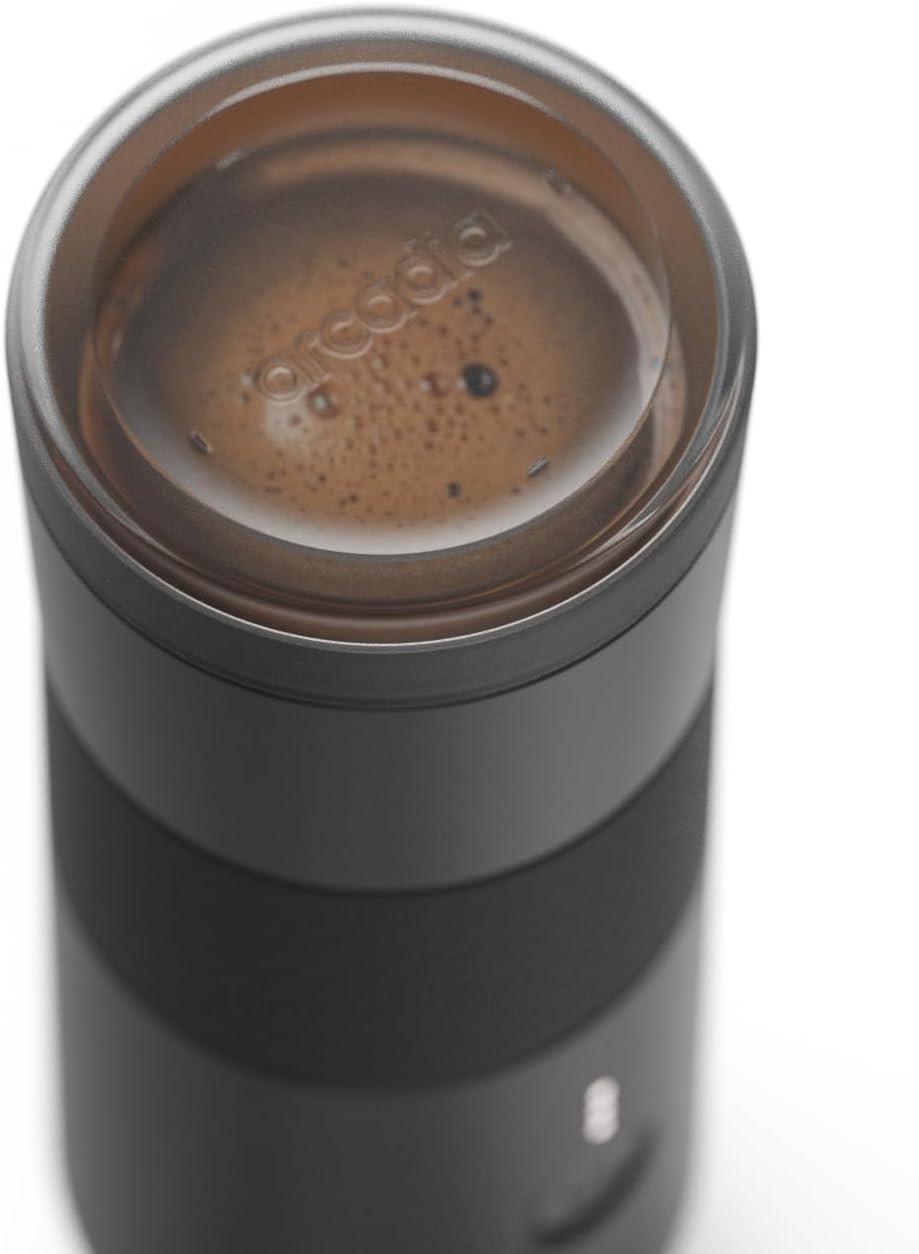
Used in routine settings, the device generally behaves as a compact, single‑session brewer: foam forms reliably across repeated brews, controls remain straightforward during a busy morning, and the USB‑C charging pattern fits into a normal rotation of devices. Simultaneously occurring, everyday interactions reveal practical limits: serving more than one person requires several cycles rather than a single pour, foam character shifts with small variations in grind and water temperature, and ground coffee tends to nestle into crevices so that a quick rinse frequently enough turns into a more attentive wipe or brush during habitual upkeep. On uneven surfaces the unit can feel slightly top‑heavy when full, and extended outings expose the dependence on external power sources for multiple successive brews, so charging cadence and access to a power bank become part of the brewing routine in most cases.
Patterns that emerge over several uses point to consistent trade‑offs between convenience and capacity—compactness and cordless freedom come with predictable limits in throughput and heat retention. The way the parts come apart and are returned to the travel pouch fits into a light maintenance habit rather than a detailed cleaning ritual, and seasonal factors such as colder ambient temperatures can make the heating cycles run a touch longer than in a warm kitchen. The table below summarizes common day‑to‑day observations versus practical constraints.
| Typical session | Observed behavior |
| Solo morning cup | consistent foam and quick cycle; minimal fuss |
| Preparing for two or more | Requires repeated cycles; total time increases |
| Travel or camping | USB‑C charging works with power banks; limited by available charge |
Full specifications and current listing details are available on the product page
How It Settles Into regular Use
Over time,you notice how the Arcadia Go Rechargeable portable Turkish Coffee Maker slips into small daily rhythms,more a habitual presence than a new gadget. It lives on a corner of the counter or tucked into a daypack depending on the day, collecting the faintest scuff or fingerprint on its night-black surface and changing the way you reach for it. in daily routines it turns up between errands, desk hours, and slow mornings, quiet and familiar as it’s used, folding into the motion of the day. over weeks and months it settles into your routine.
As an Amazon Associate I earn from qualifying purchases. Amazon and the Amazon logo are trademarks of Amazon.com, Inc, or its affiliates. All images belong to Amazon