how the Obliterator settles into your morning, a blender on your counter in real life
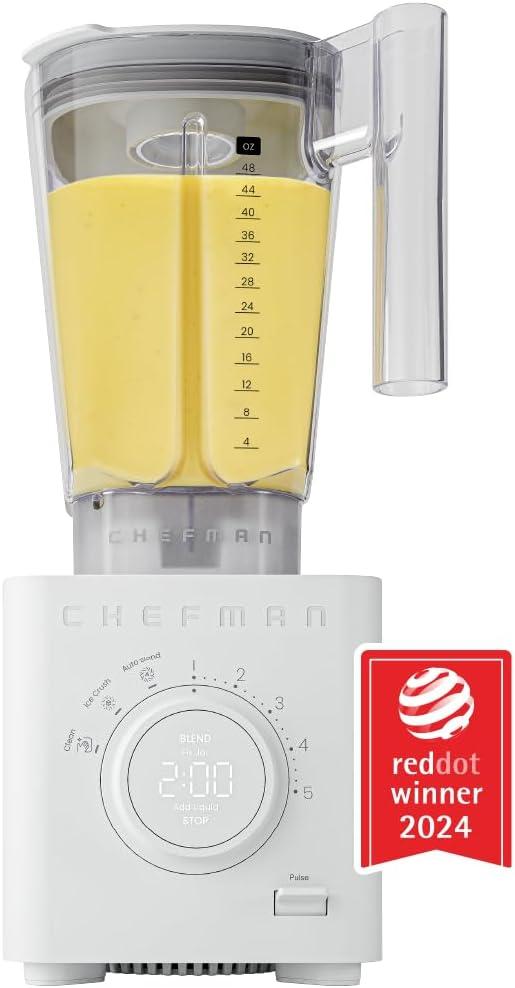
You start your morning with it already on the counter, not tucked away — it becomes one of the appliances you reach for without thinking. The machine’s footprint and finish shape where you place a cutting board or coffee carafe; sometimes you nudge it a few inches to make room for the kettle. When the kitchen is full of morning motion, the blender tends to sit facing out so the dial and lid are easy to grab; the tamper and scraper usually live beside it on a little tray or in a drawer you keep handy.Small, habitual adjustments show up quickly: you pull the jar forward to fill, glance at the control lights while making coffee, and set a dish towel nearby if you’re working with warm ingredients. These little rituals — pause, push, listen, lift — fold the appliance into the rhythm of getting breakfast ready without calling attention to itself.
- Placement: stays on the counter where it’s reachable
- Morning cues: a quick glance at the controls while you multitask
- Sound: noticeable when running, but usually blends into kitchen noise
Cleaning and maintenance live in that same morning groove rather than as a separate chore. Most days you rinse or scrape the jar between uses and let accessories sit on the drying rack while you plate fruit or toast bread; the scraper and tamper become part of the countertop landscape, not a mystery to dig for. On busier mornings you might leave the base where it is and stash the jar in a cabinet afterward, or push it to the edge of the counter to free up space — its presence changes how you organise the few minutes before you sit down.The blender’s lights and controls act like a brief status check in the flow of things; you don’t study them, you glance and move on.
| Moment | Typical Interaction |
|---|---|
| Before breakfast | Jar filled and placed on the base |
| After blending | Quick scrape or rinse, accessories left to dry |
| When counter is crowded | Blender nudged to the side or the jar stored away |
What the concrete finish and stainless steel components feel like when you lift it
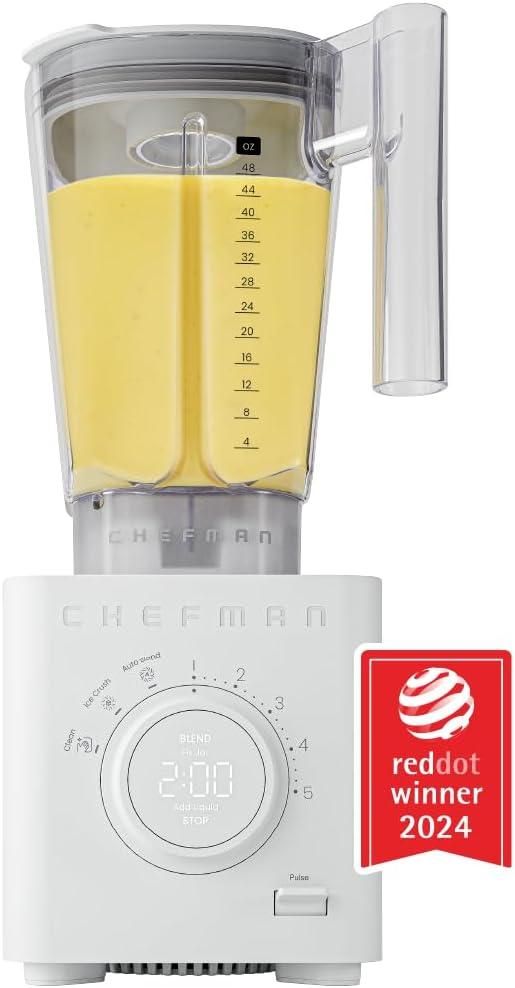
When you lift the unit, the concrete finish is the first thing your fingers register: a matte, slightly grainy texture that gives a secure grip and doesn’t feel slick even if your hands are damp.It reads as pleasantly solid rather than brittle — there’s a low, concentrated heft under your palm that makes the appliance feel anchored, not top-heavy. Where the finish meets the metal accents you notice a clear contrast: the metal is smooth and cool, the concrete-like surface a little warmer to the touch. If you pick it up assembled, the balance shifts subtly depending on where you grab it; holding the base feels steadier, while lifting by the jar shifts that weight forward in a way you can sense immediately.
In routine use you’ll notice a few small tactile cues that affect how you handle it:
- Grip points: the textured body gives more friction, so you tend to hold the lower shell rather than slipping your hand over the polished edges.
- Metal components: stainless areas feel smooth and reflective, and they can feel noticeably cooler — or slightly warm right after blending — compared with the matte surface.
- Maintenance feel: fingerprints and smudges are more visible on the stainless parts, while the concrete finish tends to hide streaks and dries to a matte, non-greasy touch after a quick wipe.
How you handle the lid, tamper, and scraper while a batch is running

When a batch is running you notice the lid becomes the focal point of handling — it stays in place for most cycles and you’ll often rest a palm on it briefly while the motor ramps up to keep it from rattling. The removable center plug is handy when you want to add thin liquids or oils mid-blend; opening that plug while the jar is spinning feels like a small, purposeful move and you tend to pause slightly before and after using it. At higher speeds the lid can transmit more vibration to the counter, so you sometimes steady the jar with your other hand or give the lid a quick nudge to reseat it if it feels loose.
How you use the tamper and scraper while the blades are moving falls into a couple of familiar patterns:
- Tamper: you generally feed it through the lid opening to push denser pockets toward the blade, working in short, observational bursts rather than a continuous shove.
- Scraper: this tool mostly appears during brief pauses or low-speed pulses to clear the sides; some households also use it between cycles to redistribute thick blends.
- Coordination: you commonly alternate between nudging with the tamper and stopping to scrape, especially with frozen or sticky mixes, so the interaction feels rhythmic rather than constant.
Where it sits on your counter, how much real estate it claims, and how it fits under cupboards

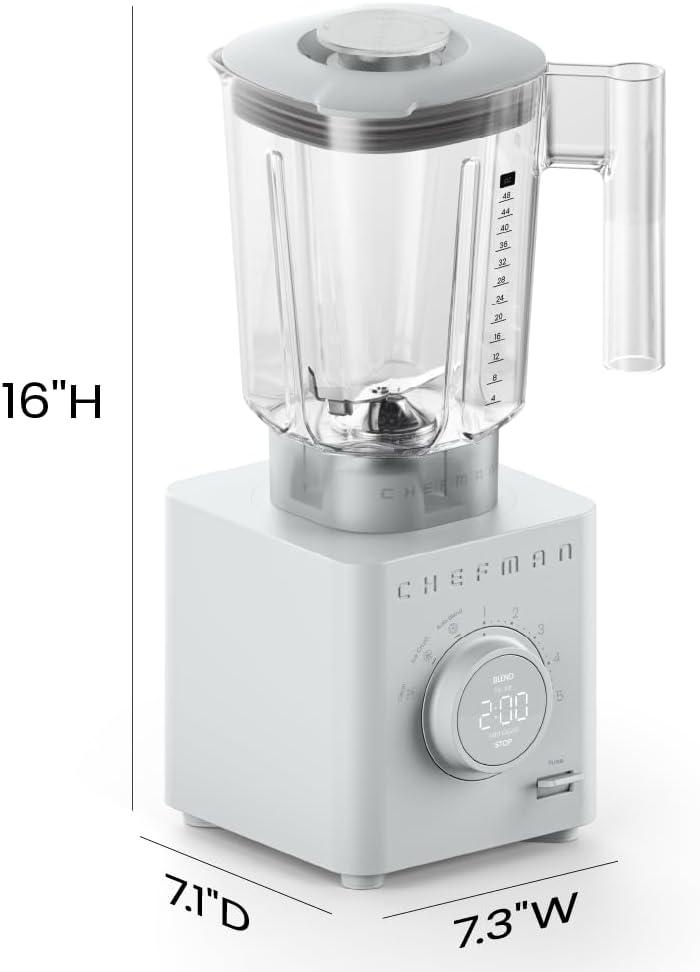
when you place the blender on your countertop it becomes a familiar fixture rather than something you grab from a cupboard each time. The motor housing and jar together claim a steady patch of real estate,so you’ll notice how they interrupt a stretch of prep space when the jar is mounted. You tend to position it near an outlet and your main prep area; left there,the cord and the jar’s footprint mean other small appliances usually shift a few inches. A few routine observations that help visualize its presence:
- Base footprint — the weighted motor stays put, so it’s the anchor of that counter spot.
- Jar profile — with the lid on it rises noticeably above other items and can block the line of sight to upper cabinets.
- On-the-counter kit — you’ll often keep the tamper or scraper beside it, turning that area into a small blending station.
How it fits under cupboards depends largely on whether the jar is attached or tucked away. In manny routines you’ll leave the base out and either remove the jar to slide the base under low cupboards or keep the whole unit on the surface and pull it forward when in use.If you need to stow it beneath shelving, the jar usually has to be detached or the lid removed first; or else a quick lift or swap becomes part of the everyday dance. The table below gives a brief, situational view of typical placement and what that means for cupboard clearance:
| State | Counter behavior |
|---|---|
| Ready-to-use (jar attached) | Occupies full prep spot; often left out for frequent use |
| Base only | Easier to slide under low cabinets; takes less vertical space |
| Jar stored separately | Clears more overhead room but requires reassembly when needed |
How the Obliterator measures up to your expectations in everyday tasks and where it reaches limits
In routine use the unit delivers a steady, predictable result for common kitchen chores. Morning smoothies with frozen fruit and leafy greens usually come out uniformly blended after a single cycle of the automatic routines, while cocktails or iced drinks get a quick, even crush without long wait times; the motor tends to keep a consistent pitch rather than sounding strained, and the pitcher sits stably on the counter during normal runs. When mixtures get very thick or sticky, pauses to shift the contents or a short burst of manual pulsing frequently enough finishes the job—this pattern of occasional intervention becomes part of the workflow rather than an unexpected interruption.Over several uses the controls and timers behave as expected, and the presence of a cleaning preset and dishwasher-safe components shows up in day-to-day cleanup as a welcome convenience.
| Task | Typical outcome in use |
|---|---|
| Fruit-and-yogurt smoothies | Consistently smooth after one automatic cycle |
| Crushed ice for drinks | Evenly broken with brief pulses; occasional larger shards remain if heavily loaded |
| Dry, hard grinding (e.g., whole nuts) | Takes longer and may require intermittent scraping; texture can be coarser than expected |
| Hot liquids blended briefly | Works when handled cautiously; splatter risk rises if lids are removed while blending |
- Cleaning note: the automatic clean cycle and removable parts simplify routine upkeep, though stubborn residue sometimes prompts a quick scrub or scrape.
- Extended, continuous use generates noticeable warmth at the base and often brings brief pauses or stirring into the rhythm of heavy tasks.
See full specifications and variant details on the product listing
A few days of smoothies, nut butters, and crushed ice through your kitchen routine

Over the first few days you find yourself slotting the machine into familiar moments: an early smoothie while you shuffle breakfast dishes, a midafternoon jar of nut butter to smear on toast, and crushed ice for an evening iced coffee. You drop frozen berries and handfuls of spinach straight into the pitcher, add a splash of whatever liquid is handy, and press go — sometimes pausing to push down denser bits with the little tool that came with it. The rhythm settles quickly: shorter bursts for a chunky texture, longer runs when you want everything silky. Sound and vibration change noticeably when ice gets involved; there’s a brief, louder cadence as the cubes break up, then it smooths out again as the mixture homogenizes.
Cleaning and handling become part of that rhythm rather than a separate chore. After blending you usually give the jar a quick rinse, let the accessories sit on the drying rack, and occasionally run a brief cleaning cycle when things feel sticky; reaching in to scrape thick nut butter sometimes requires a pause and a towel. Small,everyday quirks show up too — a stubborn bit of frozen fruit can cling near the blade housing and needs a few extra pulses,and you’ll frequently enough add a little extra liquid mid-cycle to get a smoother pour.These little adjustments fold into your routine, so the blender ends up as a regular tool on the counter rather than an occasional appliance.
How It Settles Into Regular Use
You notice the Chefman Obliterator by how it claims a corner of the counter, its base collecting the odd scuff and the faint shadow of where jars frequently enough rest. Over time it nudges small habits — lids set down more carefully,the quick rinse that becomes automatic,the way hands move around it during the morning rush. The finish softens with use, little marks and fingerprints gathering on the housing so it looks lived in rather than new, and its steady presence marks ordinary kitchen hours. Left where it’s most used, it settles into routine.
As an Amazon Associate I earn from qualifying purchases. Amazon and the Amazon logo are trademarks of Amazon.com, Inc, or its affiliates. All images belong to Amazon