You lift it and the initial heft surprises you — not bulky, but with a confident weight that registers as solid in one hand. The stainless shell is cool and smooth under your palm, faintly brushed so fingerprints settle into lines rather than smudges. A rapid twist of the base gives a muted click and a soft rustle as the grounds fall free. You see the FinalPress V3 as a straightforward tool: clean joins, a low-profile silhouette, and a machined rim that catches the morning light without fuss. on the counter it doesn’t shout for attention — its practical presence registers by touch and sound before anything else.
Morning cup in hand: how the FinalPress shows up when you make coffee or tea
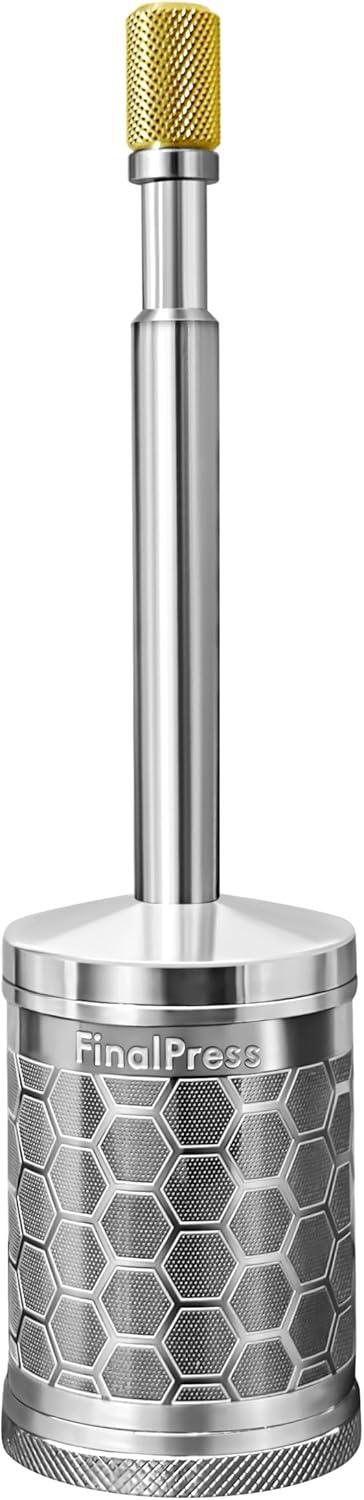
When you reach for it first thing, it settles into your hand like a familiar bit of kitchenware — not featherlight, not cumbersome. The metal exterior feels cool until the hot water warms it; you notice that warmth spreading up toward your palm as you wait for steeping to finish. pouring in water is an unremarkable, almost mechanical gesture: a short arc, a soft clink if the kettle lip meets the rim, then the routine pause while the aroma develops. The plunger movement at the end is tactile rather than theatrical — a brief, steady press that tells you the cycle is done without needing to stare at it — and the spout pours into your cup with a steady stream that can thin into a drip if you tilt slowly or pause mid-pour.
Once the mug is in your hand,the rest of the maker becomes part of cleanup choreography and counter presence. You often set it down near the sink, give it a quick shake, and use the bottom release to drop the puck without prolonged fiddling; for some mornings you rinse it immediately, other times it waits beside the drain until later. A few small, repeatable things stand out during those moments:
- Sensory cue: aroma and weight changes tell you when steeping is done without checking a timer.
- Single-handed motions: lifting, pressing, and tilting fit into a quick flow once you’ve done it a few times.
- Quick reset: the emptying gesture and a rinse usually return it to a near-ready spot on the counter.
These are the practical rhythms you notice over several mornings — small habits, not instructions, that shape how the maker fits into the start of your day.
Unboxing and your first touch: the shape, weight, and that bottom-lid reveal
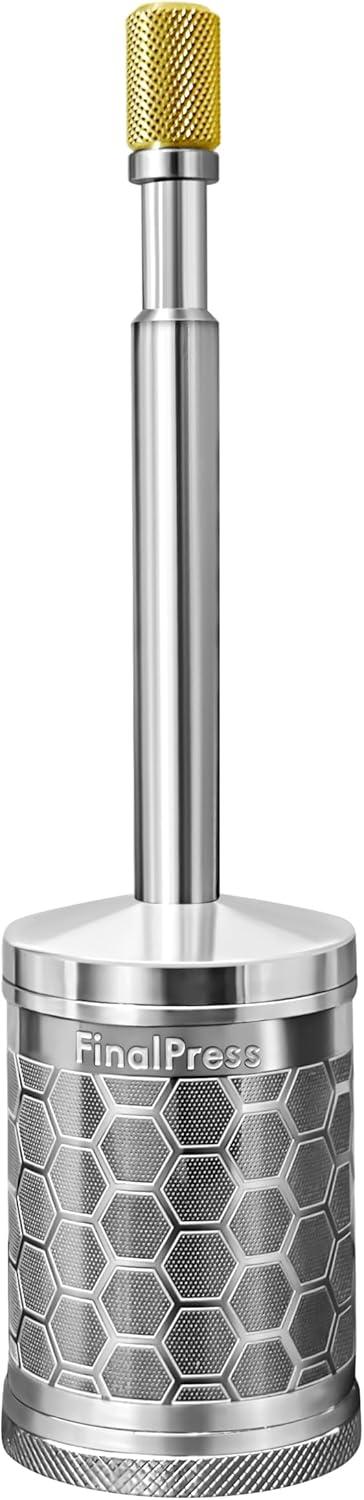
When you lift the packed unit out of its box, the first impressions are all about how its shape sits in your hand. The body reads as a compact cylinder with a slight taper toward the top, and the brushed metal finish feels cool and almost seamless under your fingers. It has a noticeable, contained heft — not cumbersome, but solid enough that you sense material substance as soon as you pick it up. The lid and outer edges are rounded where your thumb and palm meet,which makes the routine of shifting it from box to counter feel natural; you might fumble once or twice with the protective inserts before you get the grip you prefer.
Turning it over for the first close look at the bottom lid is a small reveal: a threaded base, a rubber sealing ring tucked into its groove, and the edge of the internal filter assembly visible through the access point. The threads feel machined rather than crude, and the gasket sits flush, so the mechanism presents as an integrated component rather than an afterthought. A few quick visual notes emerge right away:
- Filter basket: the mesh edge is visible where the base meets the body.
- Gasket: sits in a shallow channel and compresses slightly when you press it.
- Threads: cut cleanly and engage with a short, decisive turn.
| Part | Immediate impression |
|---|---|
| outer shell | brushed, cool, evenly finished |
| Bottom lid | threaded, snug fit, visible gasket |
| Filter edge | neatly seated, accessible from base |
Stainless steel surfaces and the micro-press mechanism as you inspect the build
When you lift the maker, the stainless steel surfaces present themselves immediately — a cool, slightly weighted feel and a finish that leans toward satin rather than mirror-radiant. Running your fingers along the outside, you notice faint machining lines around the rim and the bottom lid joint; they don’t snag but they’re visible up close. The interior has a different look when you peer inside after a brew: a more reflective surface where water beads and then thins into a film if you let it sit, and small, tidy seams where components meet. During normal handling you tend to polish away water spots or fingerprints with a quick towel swipe; those everyday interactions reveal how the metal wears in real use, with tiny hairline marks appearing over time rather than anything abrupt or jagged.
As you press the micro-press, the mechanism’s feedback becomes part of the routine — a steady resistance that shifts into a smoother glide midway and then a firmer end stroke as the screen seats. The plunger travel is quiet; you’ll hear a soft, reassuring rasp from the mesh rather than a clatter, and you can feel slight lateral play if the screen needs a small realignment before a consistent press. A few tactile cues that register while you work the assembly include:
- smooth travel of the shaft through its guide,
- tactile click or stop at the end of the stroke, and
- edge contact where grounds sometimes nestle before the final push.
Those little signals — sounds, resistance changes, and minor realignments — are what you notice when inspecting the build during regular use rather than in a bench test.
Holding,pressing,and pouring: capacity and scale in your hands
When you pick it up,the maker occupies a definite spot between palm and fingertips; its cylindrical shape asks for a steady,centered grip. As you press the plunger, the resistance is noticeable but not abrupt — a gentle, sustained force rather than a sudden snap — and the motion gives tactile feedback so you can feel when the filter meets the coffee or tea.Small habits emerge: you tend to steady the base with your free hand during the last quarter of the press, and you sometimes pause mid-press to check the surface tension before finishing. Few things interrupt that rhythm, though the lid and any threaded sections invite a subtle twist or two when you adjust your hold for transport or cleaning.
Pouring changes the relationship between size and weight; a partly filled maker tips easily with one hand, while a fuller vessel asks for a braced wrist or a two-handed tilt to control the stream. The spout and rim shape influence how the liquid leaves — frequently enough a steady, coherent pour if you tilt slowly, but a quicker tilt can produce a splatter-prone rush. In everyday use you learn by feel how much a “full” container will deliver into your mug without overfilling, and you adjust pour angle according to how hot or viscous the drink is.
- Grip: centered and deliberate, shifting as the load changes
- Press: smooth, with a tactile endpoint that signals completion
| Fill level | Typical pour behavior |
|---|---|
| Low | Fast, easily controlled with one hand |
| Medium | Balanced; steady stream with moderate tilt |
| High | Heavier; benefits from bracing or two-handed pour |
Where it fits into your routine and where it doesn’t
In ordinary routines,the brewer tends to slide into moments that are already deliberately paced — a quiet morning when attention is given to the brew,a midafternoon break at a desk,or a short trip where unpacking and repacking gear is expected. It becomes part of the tidy-up rhythm when grounds are emptied and the vessel is rinsed,rather than an appliance that is left in place and ignored; this tactile,moment-by-moment interaction frequently enough feels natural in single-cup rituals. Common placements and times of day where it reappears include:
- Morning single-cup preparation when a short routine is preferred over automated brewing
- On-the-go pauses — brief stops during travel or camping where a compact item is unpacked and used
- Desk-side breaks that accommodate a quick hands-on process without much setup
There are routine patterns in which it tends to be less present: situations that demand a set-and-forget approach, tight time windows where a quick push of a button is expected, or occasions requiring multiple servings prepared at once. In shared kitchens or hectic mornings, the need to handle grounds and perform a quick rinse can interrupt a workflow that relies on entirely hands-off equipment. These tendencies reflect how the brewer usually integrates into daily habits rather than any absolute limitation.
View full specifications and available options on the product listing
How you pack, clean, and use it day after day on trips and at home
When you pack this into a bag it tends to become part of the everyday kit rather than the thing you have to think about. You usually empty the spent grounds before stashing it — the base opens so you can tip residue away without wrestling the top — and then tuck it upright or wrapped in a thin cloth to keep condensation and stray grounds from contacting other items. On shorter trips you might keep the filter assembly snapped in place; on longer stints you often separate the pieces to let them air out.Small lapses happen: sometimes you shove it into a side pocket at the end of a long day and later find a faint coffee scent that a quick rinse takes care of.
- What you usually pack: a cloth or sleeve, a small brush or toothpick for stuck bits, and a spare microfibre towel for drying.
Day-to-day use blends a few simple routines. After brewing you tend to let it cool briefly,clear the spent grounds via the base,and then give it a rinse; when you’re home for a stretch it will spend an occasional cycle through the dishwasher or a longer soak,while on the road it usually gets a faster rinse and air-dry. A short brush run every few uses keeps the mesh and creases clear, and you’ll notice small bits sometimes cling around the lower rim until they’re dislodged; that’s part of handling a reusable brewer in regular rotation.
| On trips | At home |
|---|---|
| Quick empty-and-rinse, packed dry | More thorough washing, occasional dishwasher use |
| Kept with minimal accessories | Stored with a towel or in a cupboard |
| Disassembled when space or drying is limited | Frequently enough left assembled between morning uses |
A Note on Everyday presence
Living with the FinalPress Portable Coffee & Tea Maker V3 feels like adding a small, steady object to your day rather than a new gadget. Over time you notice how it claims a corner of the counter or a pocket in a backpack, how fingerprints soften on the stainless surfaces and the bottom lid picks up that familiar scuff from regular cleanup. In daily routines you reach for it the same way, habit folding into practical movements — a quiet presence through morning rituals, work breaks and campsite slowdowns.After a while it simply settles into routine.
As an Amazon Associate I earn from qualifying purchases. Amazon and the Amazon logo are trademarks of Amazon.com, Inc, or its affiliates. All images belong to Amazon