The first time you lift it into place, the weight is the first thing that registers—solid and anchored under yoru hands rather than awkwardly bulky. The Jura E4 Piano black Automatic Coffee Machine (the E4) looks smaller in photos than in person; its glossy skin catches morning light and turns fingerprints into a quick map of use.Run your palm across the top and the smooth plastic gives way to a cool metal edge by the brew area, the drip tray snapping back with a crisp, reassuring click. When you start it up the grinder hums with a focused buzz and the brew unit ticks into motion—small mechanical sounds that make the machine feel composed and instantly alive.
your first encounter with the Jura E4 Piano Black on your counter
You first notice the glossy finish before anything else: the surface catches the light from the window and throws back a soft, deep sheen that makes the rest of the counter look a little more formal. Up close, the black shows small fingerprints and a fine dust film in a way that a matte appliance wouldn’t, so you find yourself wiping it down during the first few days of use. It sits with a modest footprint but a presence — you shift a kettle or a jar of utensils an inch or two to make room,then pause to tuck the plug behind it and judge how the cord will run along the backsplash. From this angle you can tell where the water reservoir will meet the machine and where the coffee outlet will sit, all without yet operating anything; the surfaces, seams and the way light plays across the finish make those functional cues obvious.
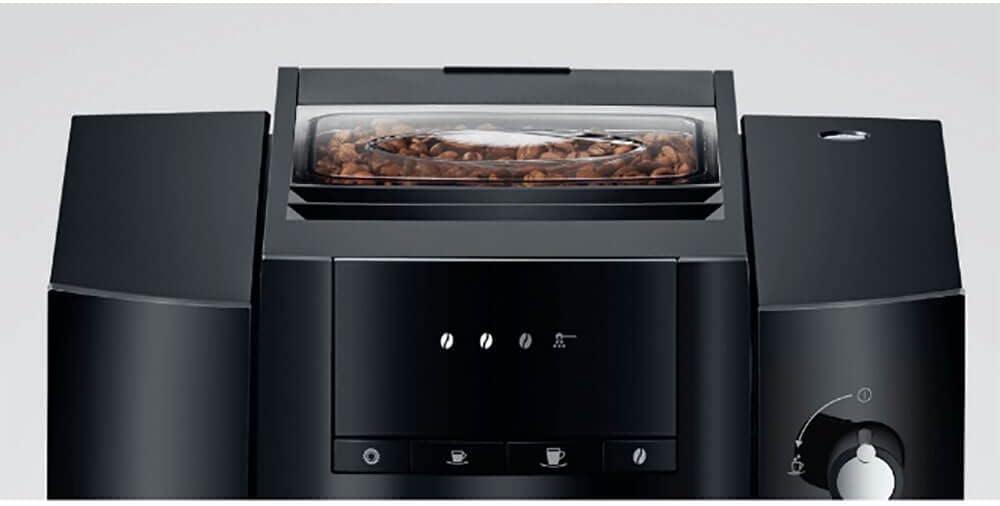
When you lean in for a closer look the control area and access points become immediate, tactile references rather than abstract specs. The front is uncluttered: a small display and icons are readable at a glance, a obvious lid on top reveals the beans, and the drip tray catches the eye as the most accessible place to interact. A few things stand out as you move around it:
- Symbol display — visible and simple, you can tell what will be selectable even before you touch it.
- Bean hopper lid — sits flush and invites a quick peek; it’s easy to lift but also shows how much space the hopper occupies.
- Water reservoir seam — the pull point is obvious from the side, so refilling feels like a small, predictable chore.
These observations shape how you place and live with the appliance on your counter in the first week, and they inform small habits — where you keep a cloth, how you angle the unit, the route you take to the sink — without any detailed setup or operation yet required.
What your hands notice about the glossy shell, buttons and build
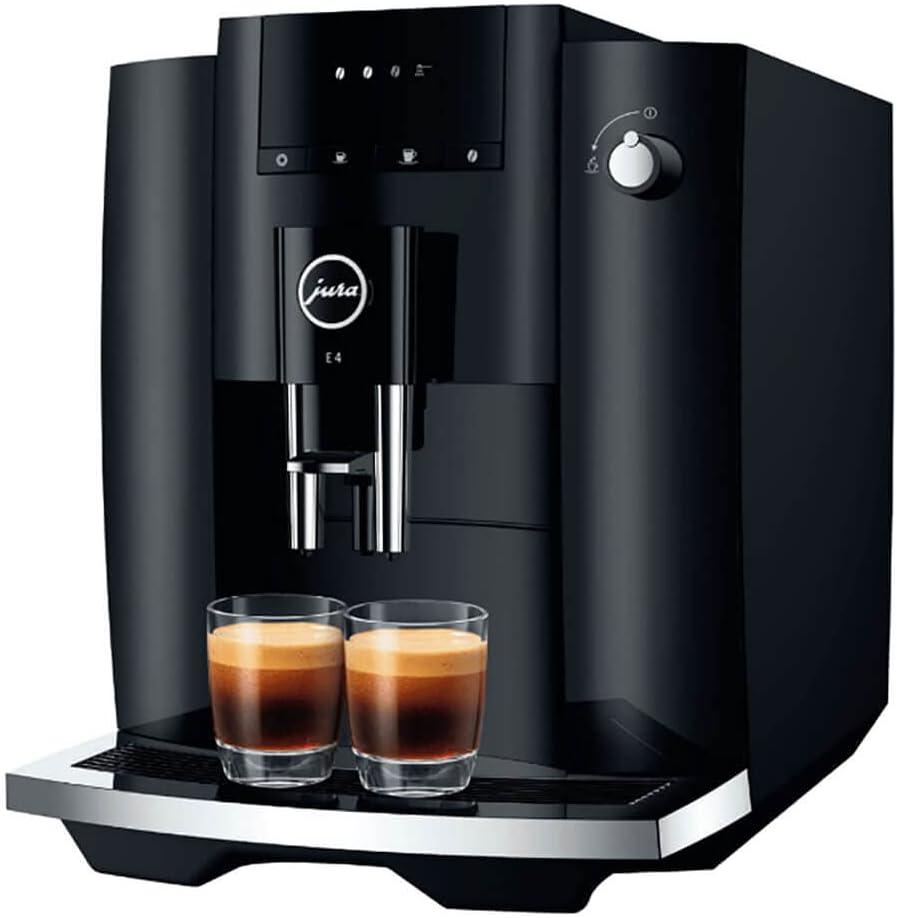
When you run a hand over the glossy piano-black surface it feels sleek and cool to the touch, with a mirror-like finish that picks up every fingertip and streak. The top and front panels sit flush, so your fingers slide past seams rather than catching on them; lifting the bean-hopper lid or the water-tank handle gives a compact, slightly plasticky resistance that settles with a small, definite click. The drip tray and service-access points move with a muted, solid shift—nothing rattles loosely, and parts align predictably when you push them back into place. Because the finish is reflective, you notice the need to wipe more often during routine use; smudges and water spots are part of the daily interaction rather than an occasional curiosity.
| Component | What your hands notice |
|---|---|
| Glossy shell | Cool,smooth,shows fingerprints readily; edges feel tight where panels meet. |
| Buttons & display area | Low travel with a soft but distinct response; surface around icons collects oils over time. |
| removable parts | Snug fit and quiet engagement — a nudge usually seats them back into place. |
Your fingers also register the small details of the controls: the buttons have a short,decisive travel and a muted click rather than a springy snap,and pressing them gives a tactile confirmation that mirrors the visual symbol display. When you use the front panel regularly you’ll notice the slight warmth that builds on areas you touch most, and occasional microscopic crumbs or residue gather in the seams where the drip tray meets the body. A few quick swipes with a cloth are part of the rhythm of handling the machine, and during everyday routines you tend to prod or tap controls without thinking, appreciating the consistent feel more than any single specification.
How it occupies space in your kitchen and fits around your routine
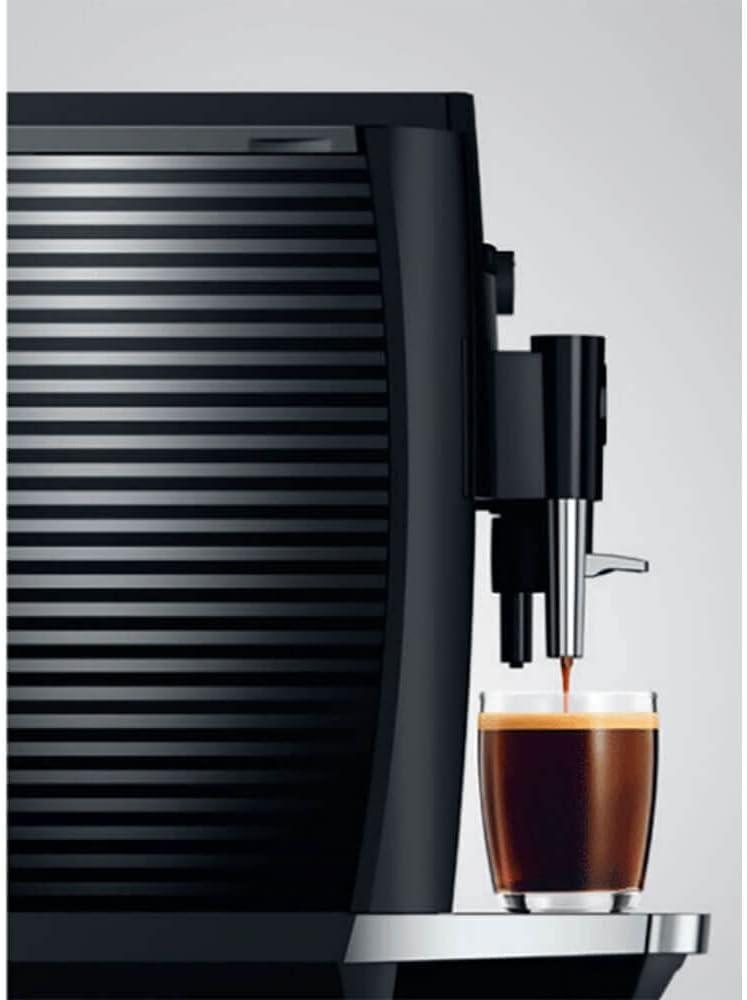
The machine tends to claim a noticeable stretch of countertop when left in its usual spot, so it often gets placed beside the kettle or near a plug socket where daily access is easiest. Its glossy finish draws the eye and shows smudges and splashes more readily than matte surfaces, which influences how close it sits to prep space and the sink for some households. When in use it occupies a little forward space for cup placement and the occasional reach to refill or empty elements, and the power cord and rear clearance shape where it can sit without being nudged during a morning rush.
In everyday flow, interactions cluster around a few repeat moments: the brief grinding and brewing noise that tends to punctuate conversation; small, frequent visits to top-up or empty components; and the habit of pulling a chair or mug closer for taller cups.A few routine touchpoints stand out:
- Placement: chosen for easy reach to power and water, often becoming part of a small appliance grouping
- Access: regular forward movement or slightly angled positioning to reach controls and the dispensing area
- Upkeep presence: quick checks and occasional wiping that slot into the same morning or evening cadence
Full specifications and current listing facts can be viewed on Amazon.
How you move through a morning brew with its interface, timing and gestures

You start by setting a cup under the spout and waking the machine; the control area lights up with clear symbols that let you move forward without hunting through menus.With a single tap on the display the cycle begins, and the interaction mostly reduces to a few simple gestures:
- tap an icon to choose a drink;
- press-and-hold when you want a bit more or less volume;
- nudge or reposition the cup during the pour if you prefer a straighter stream.
Those small movements — a finger on a symbol, a short hold, a quick shift of the cup — shape how the morning brew feels: efficient, a little tactile, and largely done by touch rather than by fiddling with multiple controls.
The timing of each step becomes familiar after a few uses. There’s a brief audible burst while beans are ground, a short pause as the machine readies the brew, then a steady extraction during which you’ll usually find yourself adjusting cup position or pausing to check aroma. Routine upkeep shows up as part of this cadence too: you might wipe the drip area or clear spent grounds between cycles, small habits that slot into the brew rhythm. A simple reference of typical durations you’ll notice in everyday use appears below — all are rough,situational markers rather than fixed specs.
| Step | Typical duration (approx.) |
|---|---|
| Wake & selection | about 5–10 seconds |
| Grinding | roughly 5–15 seconds |
| Extraction / pour | around 20–40 seconds |
| Total from tap to cup | commonly 40–70 seconds |
How it measures up to your daily coffee needs and where its limits become clear
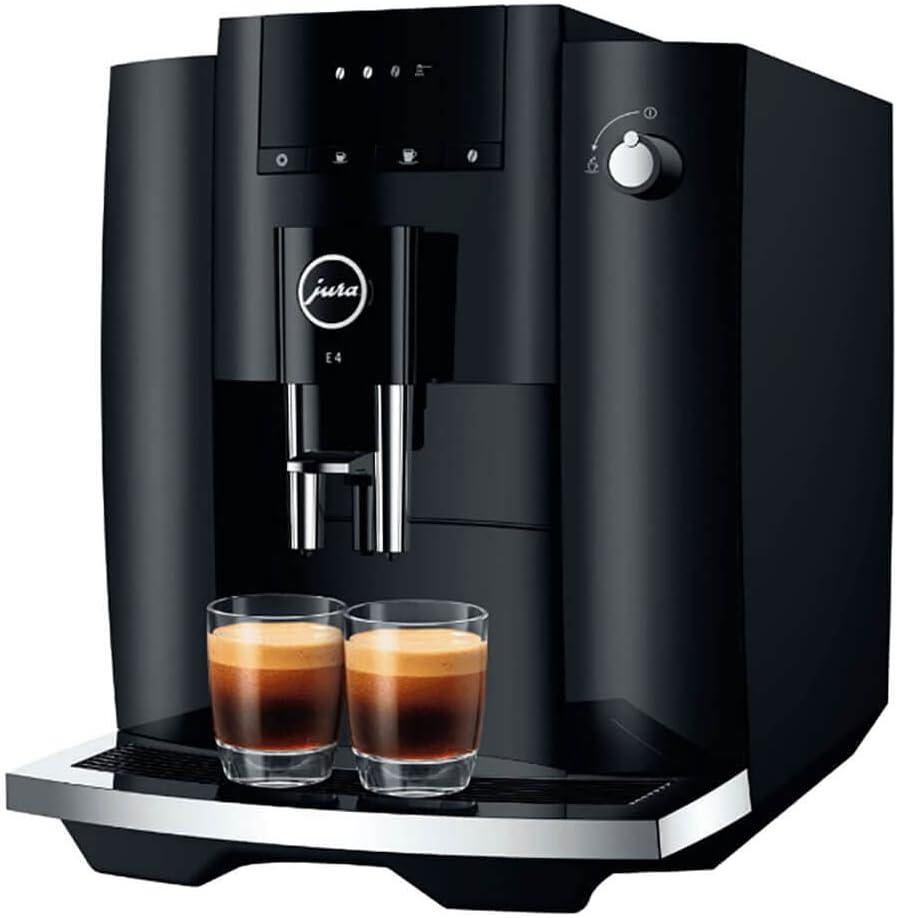
Across a normal day the machine tends to slot into familiar patterns rather than demand much active management. First-use warm‑up and grinding are noticeable but not prolonged, and single‑cup readiness usually proceeds smoothly; aroma and extraction feel consistent from cup to cup. common household rhythms show up in small,repeatable ways:
- Morning single‑serve: a quick,predictable sequence with minimal fiddling between shots.
- Midday repeat pours: can run without immediate refilling, though longer runs reveal the need to top up liquids and beans sooner than an industrial setup would.
- Milk‑based moments: require extra pauses for dispensing and light cleanup, so a string of lattes takes a bit longer than a string of black coffees.
Routine upkeep—emptying spent coffee,a casual wipe of surfaces,the occasional rinse cycle—shows up as part of daily life rather than a separate chore.
When demand increases the limitations become more about cadence than quality: it is not designed for continuous, high‑volume service, and back‑to‑back drinks will introduce short waits and more frequent top‑ups of water or beans. Noise from grinding and occasional brief maintenance breaks are part of the tempo during extended use, and the machine tends to signal when attention is needed (grounds drawer, drip tray, or a simple rinse), so those interruptions mark the boundary between comfortable daily use and a busier, hands‑on session. Full specifications and configuration details can be examined here: Full specifications and configuration details.
The small rituals and unexpected moments that the machine brings into your day
There are tiny habits that settle in around the machine and subtly shape your day. You find yourself timing a short pause to breathe in the first steam-and-bean scent, or angling your favorite mug just so under the spout while the grinder dose its work. The button you press becomes a small ceremony — a moment between tapping a screen and the first pour — and in those seconds you often rearrange the morning: opening a window,pulling together the mail,or replying to a quick message. Routine interactions creep in too, like nudging the cup a millimetre to catch the crema, or wiping a stray drip from the tray; they’re small, almost automatic, and they mark transitions from one task to the next.
Unexpected moments crop up as well. A colleague walking past smells your cup and stops for a chat; a late-afternoon espresso briefly interrupts a long stretch of work; a quiet, single-serving brew becomes a short, deliberate pause after a stressful call. sometimes you discover a new preferred intensity setting by accident and stick with it for a week.Maintenance shows up as background life rather than a chore — topping up water or emptying grounds blends into the rhythm of use, and the machine’s presence punctuates ordinary days with these brief, domestic rituals.
- the inhale: that involuntary breath when the aroma hits.
- The single-touch pause: the seconds between pressing and pouring.
- The shared moment: an unexpected conversation sparked by the smell.
How It Settles Into Regular Use
Over weeks and months it becomes a steady presence on your counter, quietly part of the small rituals that start the day. The Jura E4 Piano Black Automatic Coffee Machine picks up the faint fingerprints and tiny water rings that come with regular handling, its piano-black surface slowing into something familiar rather than pristine. It nudges how the space is arranged — mugs nearer, a cloth left where it’s frequently enough wiped — and you notice its quiet hum folding into the household rhythms as it’s used. After a while it just settles into routine.
As an Amazon Associate I earn from qualifying purchases. Amazon and the Amazon logo are trademarks of Amazon.com, Inc, or its affiliates. All images belong to Amazon